

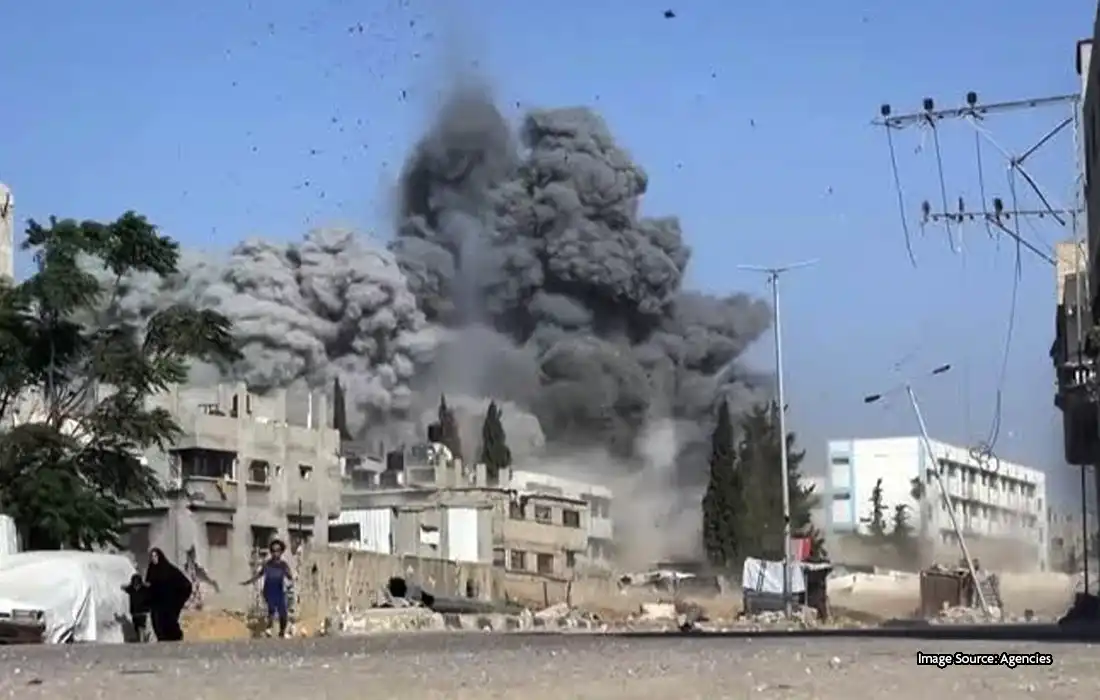

The GCC-EU security forum highlighted growing concerns over regional tensions, with the Gulf Cooperation Council calling for closer international cooperation to strengthen security, stability and economic resilience.
BRUSSELS: The Gulf Cooperation Council (GCC) has called for stronger regional and international cooperation to address escalating security challenges in the Middle East, urging closer coordination with the European Union during the 3rd GCC-EU Regional Security Forum in Brussels.
Speaking at the GCC-EU security forum, GCC Secretary-General Jasem Mohamed Albudaiwi said the current regional situation requires a united international response, stressing that recent developments have created unprecedented security and economic challenges affecting both the Gulf and Europe.
He said the timing of the forum was particularly significant given the heightened tensions across the region. According to Albudaiwi, the GCC continues to support dialogue and diplomacy while seeking closer consultation with European partners on regional security issues.
GCC condemns Barakah nuclear plant drone attack amid regional security fears
What did the GCC propose?
During his address, Albudaiwi said the long-standing strategic partnership between the GCC and the European Union should enter a new phase that reflects today’s geopolitical realities.
He argued that recent developments, including attacks on energy infrastructure and disruptions affecting shipping through the Strait of Hormuz, have demonstrated how regional instability can quickly produce global economic consequences.
Referring to the International Monetary Fund’s latest global outlook, Albudaiwi noted that slower global growth forecasts illustrate the wider economic impact of regional conflict. He said disruptions to energy supplies and maritime trade have affected international markets, including Europe, reinforcing the need for coordinated responses.
The GCC Secretary-General said the challenges facing both regions require stronger cooperation rather than isolated national responses.
GCC and UK foreign ministers unite against Iran in extraordinary emergency meeting
What are the six priorities?
The GCC-EU security forum also outlined six priority areas aimed at strengthening relations between the two blocs.
These include enhanced political and diplomatic coordination, deeper cooperation on regional security, improved connectivity through alternative trade routes, expanded energy cooperation, applying lessons learned from recent regional crises and strengthening people-to-people ties through faster progress on visa-free travel initiatives.
Albudaiwi said these priorities would help create a more resilient partnership capable of responding to future geopolitical and economic challenges.
He added that cooperation should extend beyond traditional security matters to include stronger economic integration, sustainable development and closer engagement between societies.
EU leaders stress Strait of Hormuz navigation freedom as non-negotiable
The GCC and the European Union have maintained strategic relations since 1988, with cooperation covering trade, energy, investment, climate policy and regional diplomacy. Recent regional developments have placed renewed emphasis on strengthening those ties as both sides seek to address shared security concerns.
Albudaiwi concluded by saying the future GCC-EU partnership should focus on creating greater stability, improving economic resilience and ensuring long-term prosperity for both regions. He stressed that continued dialogue and coordinated action remain essential as governments respond to evolving regional and global challenges.
The GCC-EU security forum reflects ongoing efforts by Gulf and European leaders to deepen cooperation at a time when regional developments continue to influence global energy markets, trade routes and international security.