

Strait of Hormuz navigation freedom reaffirmed by EU leaders, highlighting security concerns and calls for stronger regional presence.
NICOSIA: Strait of Hormuz navigation freedom has been declared “non-negotiable” by European Union leaders during high-level meetings in Cyprus, underscoring growing concern over maritime security and regional stability.
The discussions, held over two days, focused on the economic and security implications of ongoing developments in the Middle East. EU officials emphasised the strategic importance of ensuring uninterrupted passage through one of the world’s most critical energy shipping routes.
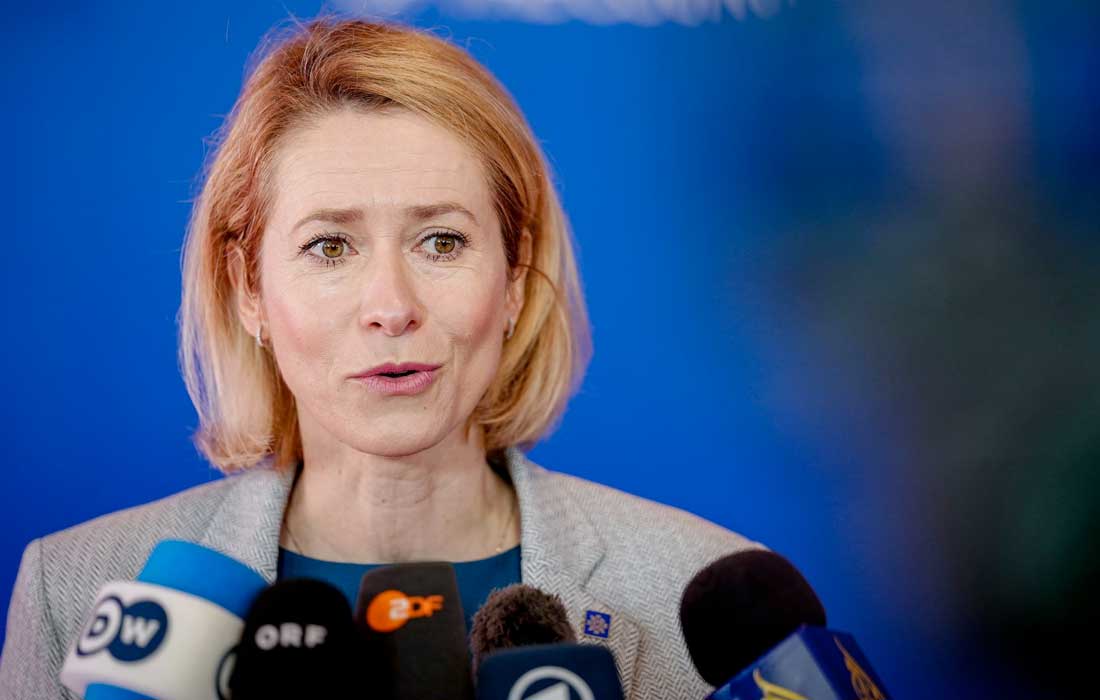
Kaja Kallas, the EU’s High Representative for Foreign Affairs and Security Policy, called for strengthening European military presence in the region to safeguard maritime corridors. She highlighted the need for coordinated efforts to maintain stability and protect global trade flows.
The Strait of Hormuz navigation freedom remains central to international energy markets, with a significant share of global oil shipments passing through the route. Any disruption could have far-reaching consequences for global economies and supply chains.
Kallas also cautioned against limiting diplomatic discussions with Iran to nuclear issues alone without involving technical experts. She warned that such an approach could result in a weaker agreement compared to the 2015 nuclear deal, which included major global powers and placed restrictions on Iran’s nuclear programme.
The Strait of Hormuz navigation freedom stance reflects the EU’s broader commitment to maintaining open sea lanes and addressing security risks in the region. Leaders stressed the importance of continued international cooperation to prevent escalation and ensure long-term stability.