

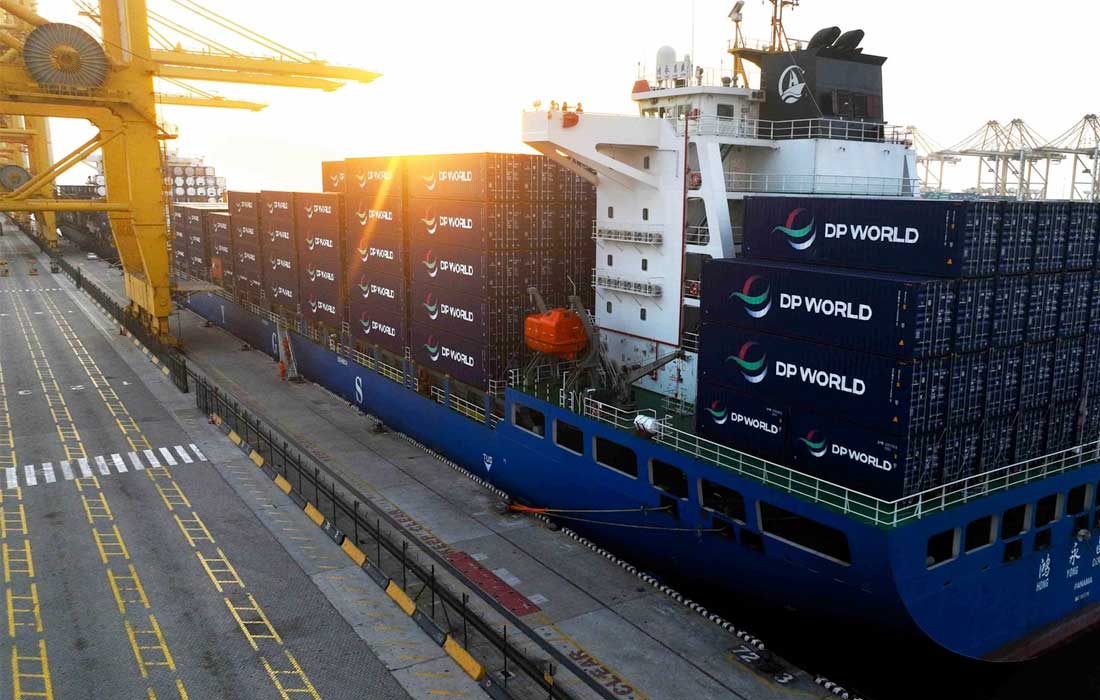

DP World multimodal corridors report shows integrated transport networks are driving resilient, efficient and future-ready global trade systems.
DUBAI: DP World multimodal corridors are emerging as a critical pillar of global trade, as the company highlights the growing importance of integrated transport networks in strengthening supply chain resilience. In its latest whitepaper, DP World outlined how combining sea, rail and road systems is reshaping cargo movement worldwide.
The report, titled A $60.7 Billion Opportunity: Multimodal Transport and the Future of Global Trade, reveals that the global multimodal transport market is projected to reach nearly $160 billion by 2032. This growth reflects increasing demand for flexible, reliable and visible logistics solutions amid rising geopolitical and environmental challenges.
According to the DP World multimodal corridors analysis, traditional linear supply chains are rapidly evolving into interconnected regional networks. Businesses are now prioritising systems that allow seamless cargo movement across multiple transport modes while maintaining efficiency from origin to destination.
DP World is already implementing this approach across its operations. Through its Marine Services network, the company connects more than 200 ports globally and supports over 23,500 sailings each year. Its Shipping Solutions business handles around 6 million TEU, forming a strong foundation for coastal and feeder connectivity.
These maritime services are increasingly linked with inland logistics, including rail and road, enabling smoother cargo transitions across key trade corridors. The DP World multimodal corridors strategy focuses on strengthening these connections to deliver end-to-end supply chain solutions.
Ganesh Raj, Global COO of Marine Services at DP World, said, “As supply chains face increasing disruption, the ability to connect ports, marine services, rail and road into integrated trade corridors is becoming essential.”
Industry experts say this shift towards corridor-based logistics will define the future of global trade, with resilience and adaptability becoming key competitive advantages.