

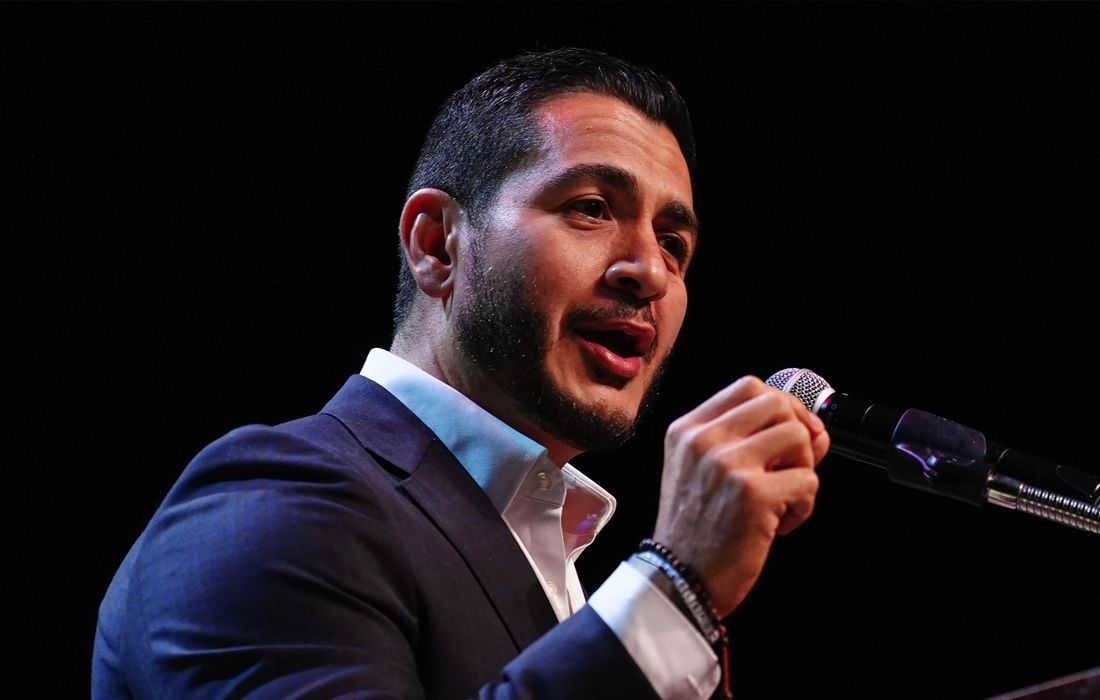

Abdul El-Sayed has won the Democratic primary for Michigan’s US Senate race, putting him in position to become the first Muslim elected to the US Senate if he wins in November.
WASHINGTON, DC: Abdul El-Sayed has secured the Democratic Party’s nomination for the US Senate in Michigan, moving a step closer to becoming the first Muslim elected to the US Senate.
The 41-year-old Egyptian-American public health expert defeated establishment-backed candidate Haley Stevens in the Democratic primary, signalling growing support for progressive candidates and highlighting the increasing political influence of Arab-American voters in Michigan.
Backed by Senator Bernie Sanders and Representative Alexandria Ocasio-Cortez, Abdul El-Sayed campaigned on expanding healthcare access through Medicare for All, reforming campaign finance laws and ending US military aid to Israel.
Also read: How Zohran Mamdani’s seven languages made history… and won hearts
His victory comes ahead of the November midterm elections, when control of both the US Senate and the House of Representatives will be contested. Michigan remains one of America’s key battleground states, making the race one of the most closely watched contests in the country.
If elected, El-Sayed would make history as the first Muslim to serve in the US Senate. Political analysts say such a victory could influence how both major parties approach key issues, including healthcare, taxation and US foreign policy in the Middle East ahead of the 2028 presidential election.
Also read: Tonight, we have stepped out from the old into the new: Mamdani quotes Jawaharlal Nehru
His nomination also follows the election of Zohran Mamdani as New York City’s first Muslim mayor, reflecting the growing representation of Muslim and immigrant communities in US politics.
On economic policy, El-Sayed has proposed higher taxes on top earners, measures to reduce prescription drug costs and expanded government healthcare programmes. Supporters argue these policies would improve affordability and access to healthcare, while critics say they could increase government spending.
With the November election still months away, the Michigan Senate race is expected to attract national attention as both Democrats and Republicans compete for control of Congress.
Impact it may have
If elected, Abdul El-Sayed’s victory could have a wider impact on both US politics and the Middle East. His positions on healthcare, taxation and US military aid to Israel may strengthen progressive voices within the Democratic Party and influence debates ahead of the 2028 presidential election. Analysts also believe his election could encourage closer attention to Arab-American voters and bring greater focus to US policies affecting the Middle East, although major foreign policy decisions would still depend on Congress and the White House.
Shaneer N. Siddiqui is the Managing Editor at TheBrewNews.com, with more than 20 years of experience in journalism, media, communication, and business strategy. A lifelong news enthusiast, he enjoys telling stories that inform, engage, and matter. Whether he’s following the latest developments or guiding the editorial team, Shaneer stays focused on bringing readers meaningful news. Outside the newsroom, he likes reading, exploring new ideas, and staying curious about the changing world of media.
Connect with him to follow his latest work and insights.