

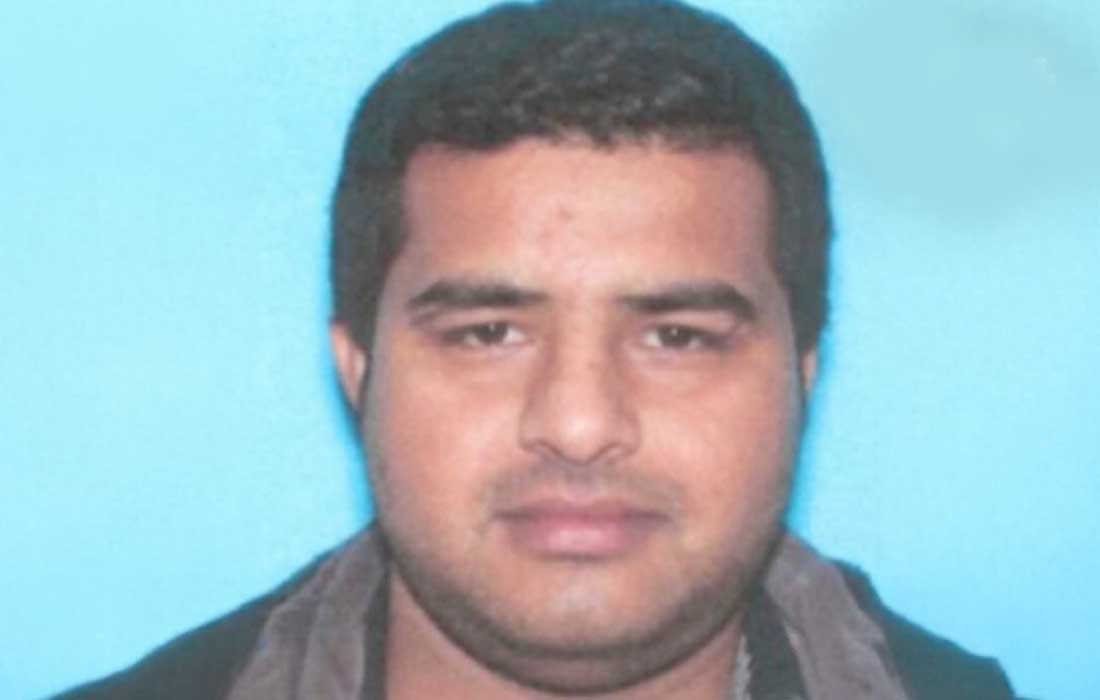

An Indian-origin man has been placed on the FBI’s wanted list for allegedly running a fear-based extortion scheme that used tactics strikingly similar to the digital arrest scams widely reported across India, targeting victims with threats to extract money.
WASHINGTON: A scam that has terrorised thousands of victims across India has now caught the attention of the FBI. An Indian-origin man has been added to the bureau’s wanted list for allegedly orchestrating a fear-based extortion scheme that bears a close resemblance to the digital arrest fraud that has become one of India’s most damaging cybercrime trends.
The scheme, according to federal investigators, involved using fear tactics to psychologically pressure victims into handing over money. The playbook will be familiar to anyone who has followed the digital arrest scam phenomenon in India, where fraudsters impersonate law enforcement officials, customs officers, or government agencies, confront victims over fabricated legal violations, and demand immediate payment to avoid arrest or prosecution.
The digital arrest scam format has proven devastatingly effective because it exploits a specific kind of fear: the sudden, terrifying suggestion that you are in serious legal trouble and that the only way out is to pay up immediately and quietly. Victims, often elderly or unfamiliar with how genuine law enforcement operates, comply out of panic before they have the chance to verify anything or consult anyone.
The FBI’s decision to add the suspect to its wanted list signals that US investigators are treating the case with serious urgency. It also highlights a troubling pattern of cross-border cybercrime operations that originate in or draw on tactics refined in South Asia and are then deployed against victims in the United States and other Western countries.
Indian authorities have been battling the digital arrest scam epidemic for several years, with Prime Minister Narendra Modi personally warning citizens about the threat in a nationally televised address. The appearance of a similar scheme on the FBI’s radar suggests the problem has now firmly crossed borders.
Details of the specific allegations, the identity of the suspect, and the number of victims targeted have not been fully disclosed by federal authorities at this stage. The FBI is actively seeking information that could lead to the individual’s apprehension.
If you have been approached by anyone claiming to be a law enforcement officer and demanding immediate payment to avoid arrest, do not comply. Contact your local police or the FBI directly.