

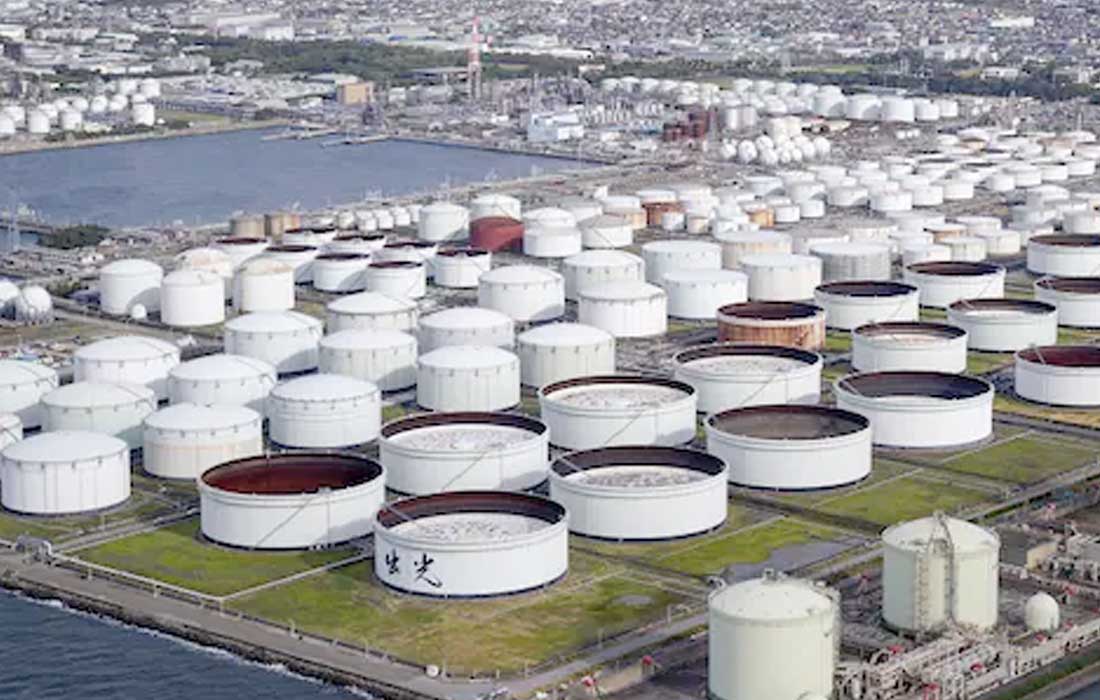

An RTI response from India’s Ministry of Petroleum and Natural Gas has revealed that the country’s strategic crude oil reserves can only sustain national requirements for approximately 9.5 days in the event of an import disruption.
NEW DELHI: As the Strait of Hormuz remains under threat and global energy supply chains buckle under the pressure of the ongoing regional conflict, a quietly alarming number has emerged from India’s own government: the country’s strategic crude oil reserves would last just 9.5 days if imports were suddenly cut off.
The figure comes from an RTI response accessed by India Today from the Ministry of Petroleum and Natural Gas, which stated plainly that India’s strategic reserves can meet “about 9.5 days of crude oil requirement” in the event of a disruption to imports.
For a country of 1.4 billion people, the world’s third largest oil consumer, and an economy deeply dependent on imported energy, that is a razor-thin buffer. Most energy security experts recommend a minimum of 90 days of strategic reserves as a benchmark for resilience. India sits at a fraction of that.
The timing of this revelation could not be more uncomfortable. With the Strait of Hormuz disrupted and shipping routes through the Gulf under severe pressure, India imports a significant portion of its crude oil from the Middle East. Any prolonged closure or sustained disruption to those routes would begin to bite into that 9.5-day window very quickly.
The country has been working to build up its Strategic Petroleum Reserve capacity across underground facilities in Visakhapatnam, Mangaluru, and Padur, but the RTI response makes clear that current stockpiles remain far short of what would be needed to ride out an extended supply shock.
Energy security analysts have long flagged India’s vulnerability on this front. In a world where a single chokepoint like Hormuz can send oil prices surging 50 per cent in three weeks, 9.5 days of reserves is not a safety net. It is a countdown.