

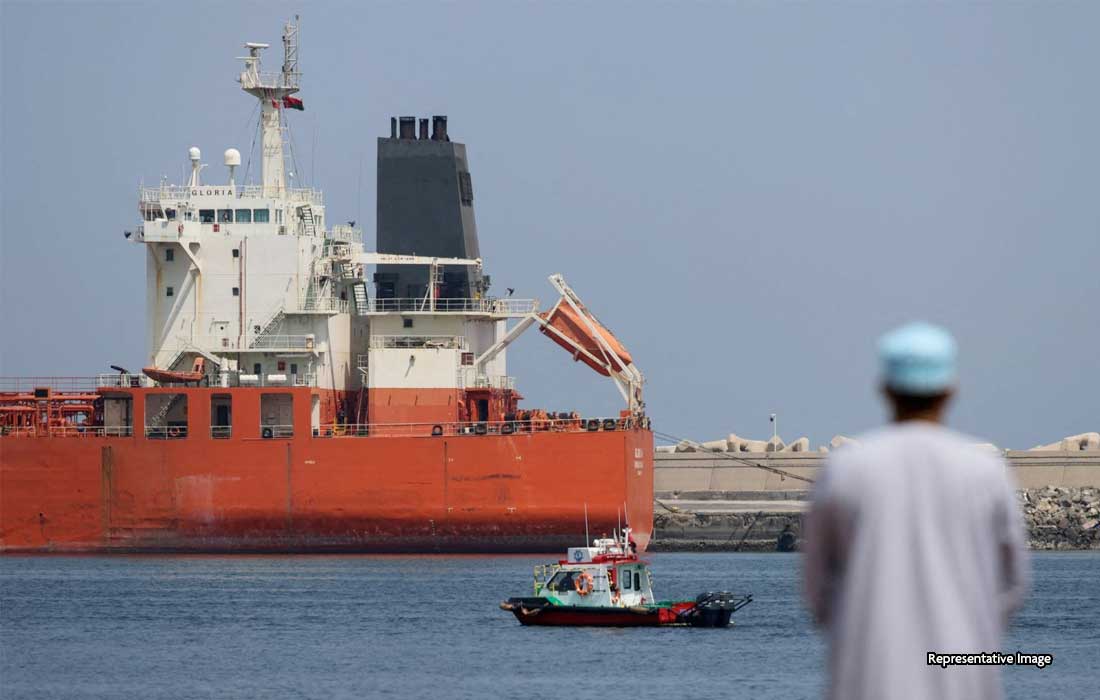

The closure of the Strait of Hormuz is disrupting far more than oil flows, with India’s food exports to the GCC now at serious risk as rising shipping costs and broken supply chains push prices higher across the Gulf.
NEW DELHI: The Strait of Hormuz crisis is no longer just an energy story. It is a food story, and for millions of people across the Gulf who depend on imports from India for their daily meals, the consequences are becoming very real, very fast.
India is one of the GCC’s most critical food suppliers, exporting vast quantities of rice, vegetables, spices, dairy products, and processed foods to markets across the UAE, Saudi Arabia, Qatar, Kuwait, Bahrain, and Oman. Under normal circumstances, much of this trade moves through reliable, well-established shipping routes that pass in and around the Strait of Hormuz. Those routes are anything but normal right now.
The closure and disruption of the strait has forced shipping companies to rethink their routes entirely, adding days and significant costs to journeys that were previously straightforward. Longer routes mean higher fuel costs, higher freight rates, and longer delivery windows. For perishable goods like fresh produce and dairy, that extra time at sea is not just expensive. It can make the difference between a product arriving in good condition and one that does not arrive at all.
The knock-on effect is already being felt in pricing. Supply chain disruptions of this scale inevitably push costs upward, and with the Gulf heavily reliant on food imports, those costs are eventually passed on to consumers, hitting ordinary families at the checkout counter.
For Indian exporters, the situation is equally challenging. Uncertainty around shipping schedules, rising insurance premiums for vessels operating in the region, and the threat of further disruption make forward planning extremely difficult. Contracts that were signed months ago are now being renegotiated, and some exporters are holding back shipments until the picture becomes clearer.
The broader message is one that Dr. Sultan Al Jaber made powerfully clear at CERAWeek this week: the Strait of Hormuz is not just an oil artery. It carries fertiliser, petrochemicals, and the building blocks of food systems that feed hundreds of millions of people. When it is squeezed, factories, farms, and families around the world feel the pressure.
For the GCC’s grocery shelves, and for the Indian exporters who stock them, the hope is that the strait reopens sooner rather than later. Every day it remains disrupted is another day of rising costs, shrinking supplies, and growing anxiety for everyone in the supply chain.