


ADNOC CEO Dr. Sultan Al Jaber told CERAWeek in Houston that weaponising the Strait of Hormuz is an act of economic terrorism with global consequences, warning that oil prices have already risen 50% in three weeks and the human cost is mounting daily.
HOUSTON: In one of the most powerful speeches delivered at CERAWeek this year, Dr. Sultan bin Ahmed Al Jaber, Minister of Industry and Advanced Technology and Group CEO of ADNOC, did not hold back. Standing before the world’s most influential energy leaders in Houston, Texas, he called Iran’s actions in the Strait of Hormuz exactly what they are.
Economic terrorism.
“Weaponising the Strait of Hormuz is not an act of aggression against one nation. It is economic terrorism against every nation. And no country should be allowed to hold Hormuz hostage, not now, not ever,” Dr. Al Jaber said.
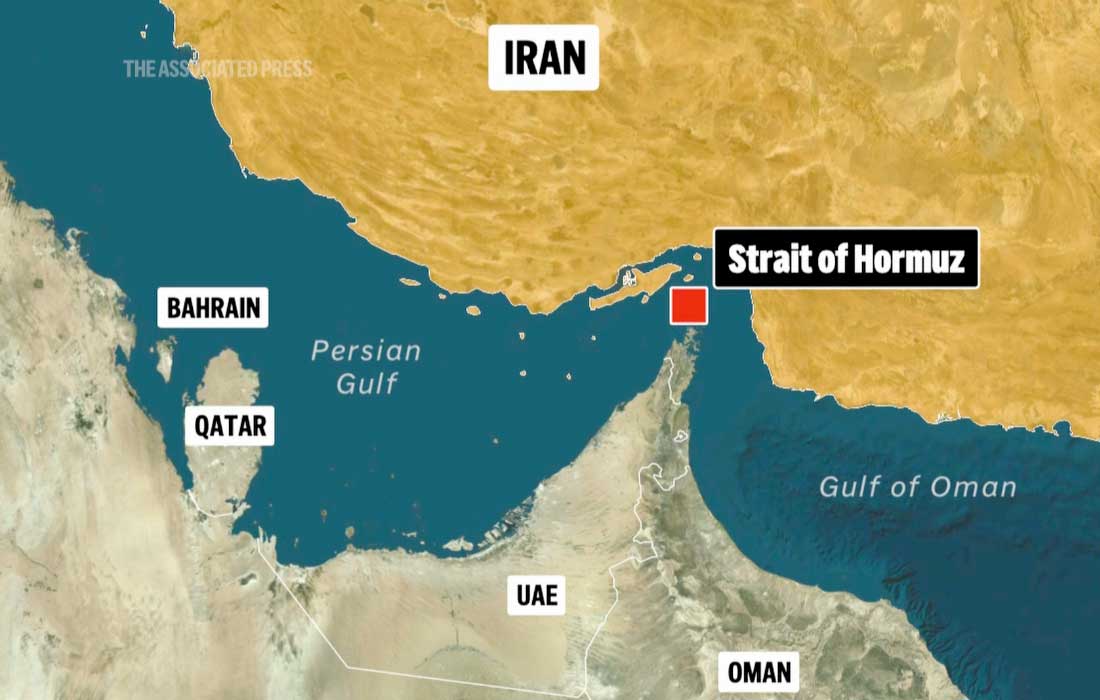
The numbers he laid out were stark and impossible to ignore. Twenty-one miles wide. Twenty million barrels of oil a day. Nearly a fifth of the world’s oil and gas. Over a third of global fertiliser. Almost a quarter of the world’s petrochemicals. In his own words, “much of the oxygen of the global economy runs through a single throat.”
The consequences of squeezing that throat are already being felt. In just three weeks, the price of oil has risen by 50 per cent, pushing up the cost of living for those who can least afford it and dragging on economic growth in every corner of the world. “From factories, to farms, to families around the world, the human cost is mounting by the day,” he said.
Dr. Al Jaber was equally clear that this is not a problem that can be traded away. “This is not a supply issue. It is a security issue, and it has only one durable answer: keeping the Strait open. We cannot trade our way out of this crisis.”
On the UAE’s own resilience, he was direct and proud. ADNOC, he said, took hits no civilian energy company should ever have to absorb, yet kept its commitments to customers and partners around the world. “Our defenses have been tested. Our resilience has been tested. Our character has been tested. And we withstood.”
That resilience, he stressed, was not luck. It was the product of years of deliberate investment in infrastructure, technology, AI integration, diversified energy production, and a global network of strategic partnerships. Through ADNOC, XRG and Masdar, the UAE has already invested more than $85 billion in US energy assets, supporting power generation, advanced chemicals, and jobs across 19 states.
Looking ahead, Dr. Al Jaber drew a clear line between two visions for the world’s energy future. One spreads instability. One builds prosperity. “The UAE made its choice long ago,” he said, before extending a personal invitation to the world’s energy leaders to join ADIPEC in Abu Dhabi this November for what he described as a working session on the resilience of the global energy system.
The message from Houston was unambiguous. Stability does not happen by accident. It must be built deliberately, collectively, and with the courage to call economic terrorism by its name.
-Agencies/ WAM