

Saudi nuclear deal talks have taken a new turn after US President Donald Trump said Riyadh must join the Abraham Accords before any civil nuclear agreement with the US can move forward.
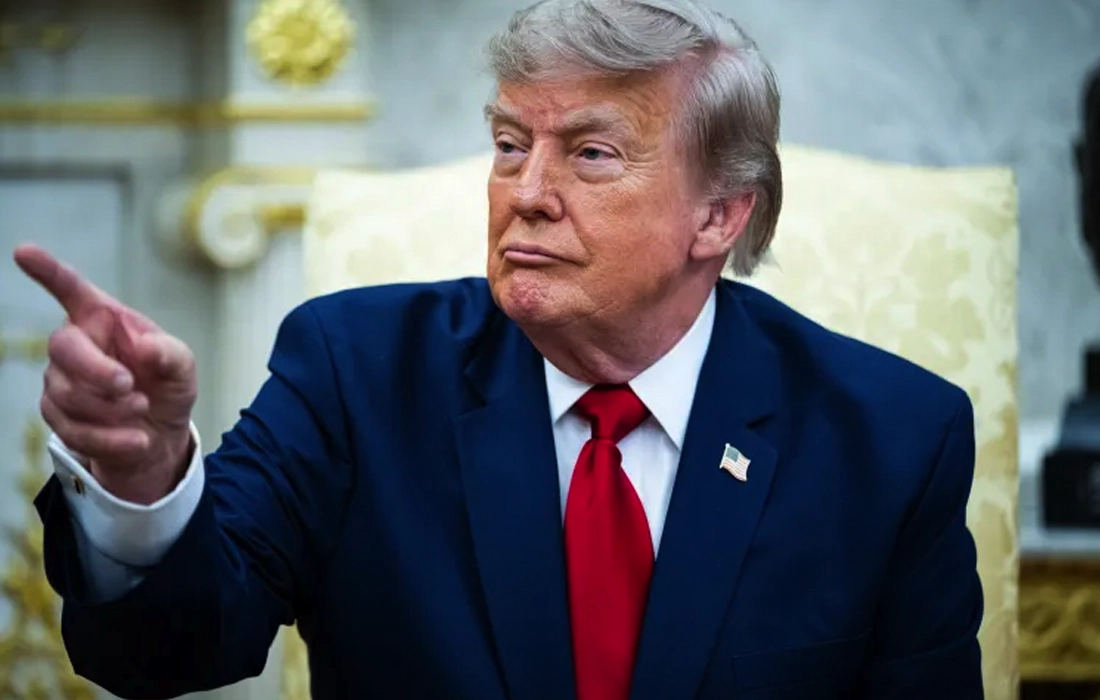
WASHINGTON: Saudi nuclear deal negotiations have entered a new phase after US President Donald Trump said Saudi Arabia will need to join the Abraham Accords before a civil nuclear agreement with the United States can be approved.
In a post on Truth Social, Trump said the proposed agreement would only cover peaceful, civilian nuclear energy and made it clear that Saudi Arabia would not be allowed to enrich nuclear material under the deal.
Japan nuclear restart begins at Kashiwazaki-Kariwa power plant
“The Civil Nuclear Deal… will be approved, but is totally subject to Saudi Arabia joining the very respected and successful Abraham Accords,” Trump wrote, adding that there would be “no enrichment of material” under the agreement.
The comments mark a significant shift in Trump’s position and add a new political condition to a deal that was announced just a day earlier.
On Wednesday, the US and Saudi Arabia signed what officials described as a decades-long, multibillion-dollar partnership covering civil nuclear cooperation. Alongside it, both countries also agreed to a bilateral protection deal aimed at strengthening their long-term strategic relationship.
US Energy Secretary Chris Wright said the agreements reflect the two countries’ shared commitment to boosting economic ties while maintaining the highest standards of nuclear safety and non-proliferation.
According to the US Department of Energy, the partnership is expected to increase American technology exports, strengthen non-proliferation efforts and create high-paying jobs in the United States.
US lost nuclear bombs still missing decades later spark fresh fears
Trump’s latest remarks were quickly welcomed by Israeli Prime Minister Benjamin Netanyahu, whose office described the possibility of Saudi Arabia joining the Abraham Accords as “a historic leap forward for peace in the Middle East.”
The Abraham Accords, first signed in 2020, normalised relations between Israel and several Arab countries, including the UAE and Bahrain. Saudi Arabia has long been seen as the biggest potential addition to the agreement, although talks have faced several political and regional challenges over the years.
The International Atomic Energy Agency (IAEA) has also acknowledged the US-Saudi discussions. The UN nuclear watchdog said it is ready to work with both governments to put the necessary verification measures in place and ensure the agreement complies with international nuclear safeguards.
The proposed deal is not final yet. It will now be reviewed by the US Congress, where lawmakers have the power to challenge it. However, blocking the agreement would require enough votes to override a presidential veto, making that a difficult hurdle.
For now, Saudi nuclear deal discussions remain closely tied to wider diplomatic efforts in the Middle East, with the future of the agreement now depending not only on energy cooperation but also on regional peace negotiations.