

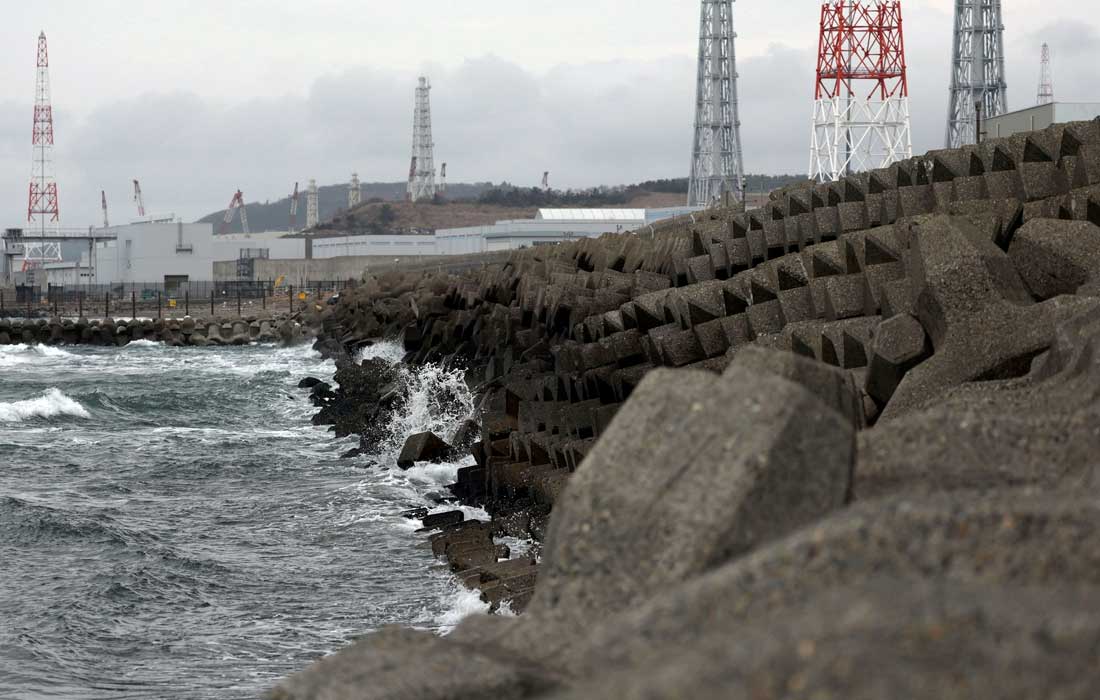

Japan nuclear restart efforts advanced as the Kashiwazaki-Kariwa plant was switched back on after safety checks and system adjustments.
TOKYO: Japan nuclear restart efforts took a significant step forward on Monday as the Kashiwazaki-Kariwa nuclear power plant, the world’s largest by capacity, was switched back on following a brief suspension earlier this year. Operator Tokyo Electric Power Company confirmed that one reactor at the facility in Niigata region resumed operations at 05:00 GMT.
The restart follows an earlier attempt on 21 January that was halted a day later after a monitoring system alarm detected slight changes in electrical current in one cable. Although the readings remained within safety limits, TEPCO suspended operations as a precaution and launched a detailed review. Company officials said the alarm settings have since been adjusted, confirming the reactor is safe to operate.
The Kashiwazaki-Kariwa site comprises seven reactors and has remained largely idle since the 2011 Fukushima disaster, when Japan shut down most of its nuclear fleet amid heightened safety concerns. The current move marks the first restart at the facility since that crisis, making it a closely watched milestone for the country’s energy policy.
According to TEPCO, the reactor will undergo another comprehensive inspection phase before entering commercial operations, which are expected to begin on or after 18 March. The company said the cautious, phased approach reflects lessons learned from past incidents and the need to maintain public confidence.
Japan nuclear restart initiatives have gained momentum as the country seeks to balance energy security, carbon reduction targets and rising electricity demand. Nuclear power is increasingly viewed as a stable, low-emission option alongside renewable sources, particularly as fuel import costs remain high.
Government regulators have emphasised that any restart must meet strict safety standards, including enhanced monitoring systems and emergency preparedness measures. Local consent and transparent communication also remain critical factors.
With the Kashiwazaki-Kariwa plant back online, Japan nuclear restart policy enters a new phase, signalling a gradual return of nuclear energy to the national power mix while maintaining a strong focus on safety and oversight.