


NYU Abu Dhabi malaria study has uncovered a new weakness in the malaria parasite that could help scientists develop better treatments. Researchers found the parasite depends on a specific type of dietary fat to survive inside the human body.
ABU DHABI: NYU Abu Dhabi malaria study has revealed a discovery that could change the way scientists fight one of the world’s deadliest diseases. Researchers have found that the malaria parasite depends on a specific type of fat found in human blood to grow and multiply, opening the door to new treatment possibilities.
The study, published in the journal Genome Biology, focused on how the malaria parasite survives once it enters the human body. While scientists have long known that the parasite feeds on nutrients in the blood, the latest research shows it is far more selective than previously believed.
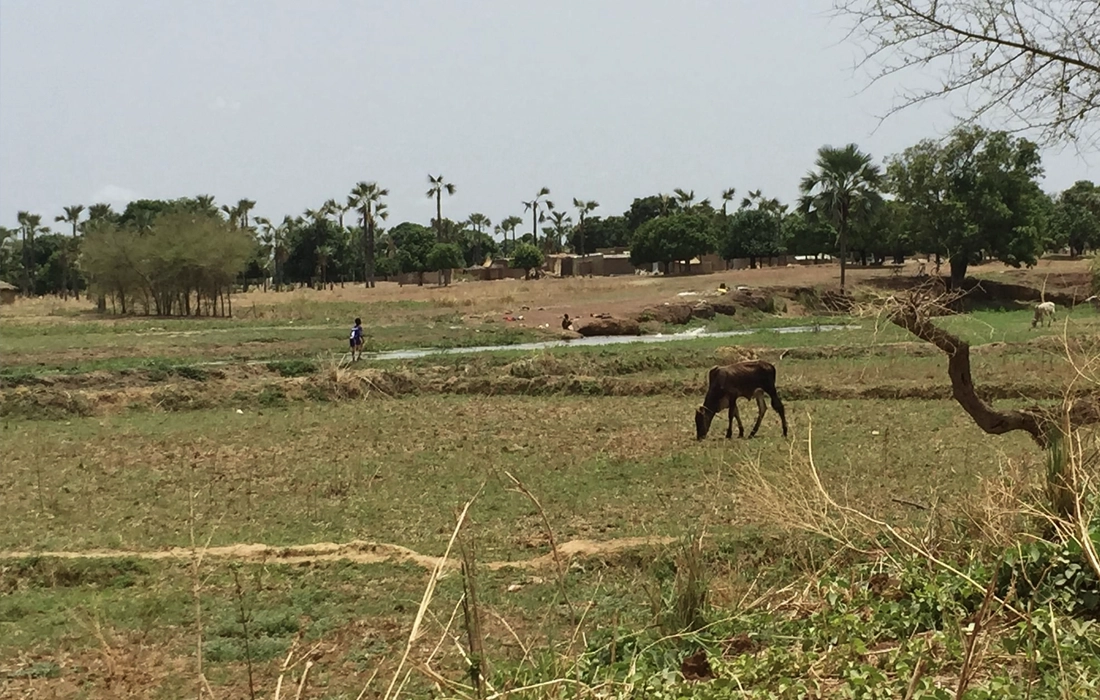
To reach their findings, researchers analysed blood samples from 396 children in Burkina Faso before and during malaria infection. They discovered that instead of using all the nutrients available, the parasite consistently chooses blood fats containing linoleic acid, an essential fatty acid that humans get through their diet.
This preference appears to play a key role in helping the parasite survive and reproduce during the blood stage of malaria, which is when infected people begin experiencing symptoms such as fever, chills and fatigue.
According to the research team, identifying this hidden dependency gives scientists a completely new target in the fight against malaria. Rather than attacking the parasite directly, future treatments could focus on disrupting its access to the nutrients it needs to survive.
Associate Professor of Biology Youssef Idaghdour, the study’s senior author, said the findings reveal a weakness that researchers did not know existed.
“Malaria continues to claim hundreds of thousands of lives every year, yet we still have much to learn about how the parasite survives inside the human body,” he said.
“We found that the parasite is surprisingly selective about the nutrients it uses. That gives us an opportunity to target a weakness that was previously unknown and could eventually lead to new ways of treating the disease.”
Malaria remains one of the world’s most serious infectious diseases, particularly across parts of Africa, where it affects millions of people every year. While medicines and mosquito control have helped reduce cases over the years, drug resistance continues to be a growing challenge, making the search for new treatment approaches more important than ever.
The findings from the NYU Abu Dhabi malaria study could help researchers better understand how the parasite survives inside the body and pave the way for therapies that stop it before it can multiply. Although more research is needed before the discovery can be turned into a treatment, scientists say it marks an important step towards developing more effective ways to fight malaria.