


Tamil Brahmi inscriptions Egypt discovery confirms ancient trade links, not claims of Tamils building pharaonic tombs.
CAIRO: Tamil Brahmi inscriptions Egypt discovery has gone viral online, with social media users claiming the findings prove ancient Tamils built pyramids or ruled Egypt. However, historians say the interpretation is incorrect.
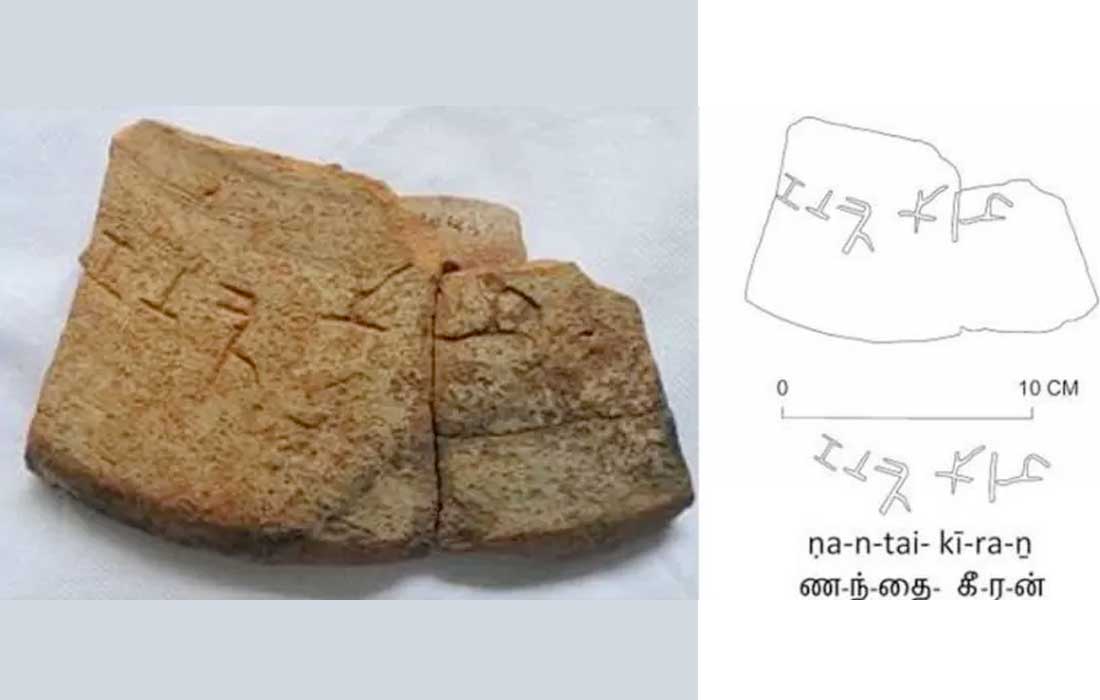
Archaeologists documented around 30 inscriptions written in Tamil-Brahmi inside tombs at the Valley of the Kings. A few additional inscriptions in Sanskrit and Prakrit were also identified. The carvings are authentic and date back roughly 2,000 years.
The tombs themselves, however, are about 3,500 years old and were constructed during the era of the pharaohs, long before Tamil-Brahmi script existed. This means the inscriptions were added later and are not connected to the original builders of the royal burial sites.
What was found in Egypt’s Nile Delta tomb with 560 funerary figurines?
Experts believe the writings were made by Indian traders visiting Egypt during the Roman period. At that time, South India maintained strong maritime trade links with Roman Egypt. Ships transported pepper, pearls, gemstones and textiles across the Indian Ocean to Egyptian ports, after which merchants travelled inland to historic monuments.
The Tamil Brahmi inscriptions Egypt narrative likely reflects travellers leaving marks inside already ancient tombs, similar to Greek and Roman visitors who also left graffiti. One recurring Tamil phrase is interpreted as “came and saw,” resembling a historical visitor signature rather than evidence of political control.
Upper Egypt archaeological discovery reveals city and Coptic necropolis
The discovery highlights long distance trade networks and early global connections between South Asia and the Mediterranean world. It does not suggest that Tamils built Egyptian monuments, that Egyptians used Tamil language, or that a shared civilisation ruled both regions.
Tamil Brahmi inscriptions Egypt therefore represent evidence of ancient mobility and commerce, not a rewriting of pharaonic history.