


An Upper Egypt archaeological discovery has uncovered an 18th-century city and a Byzantine-era Coptic necropolis in Qena Governorate.
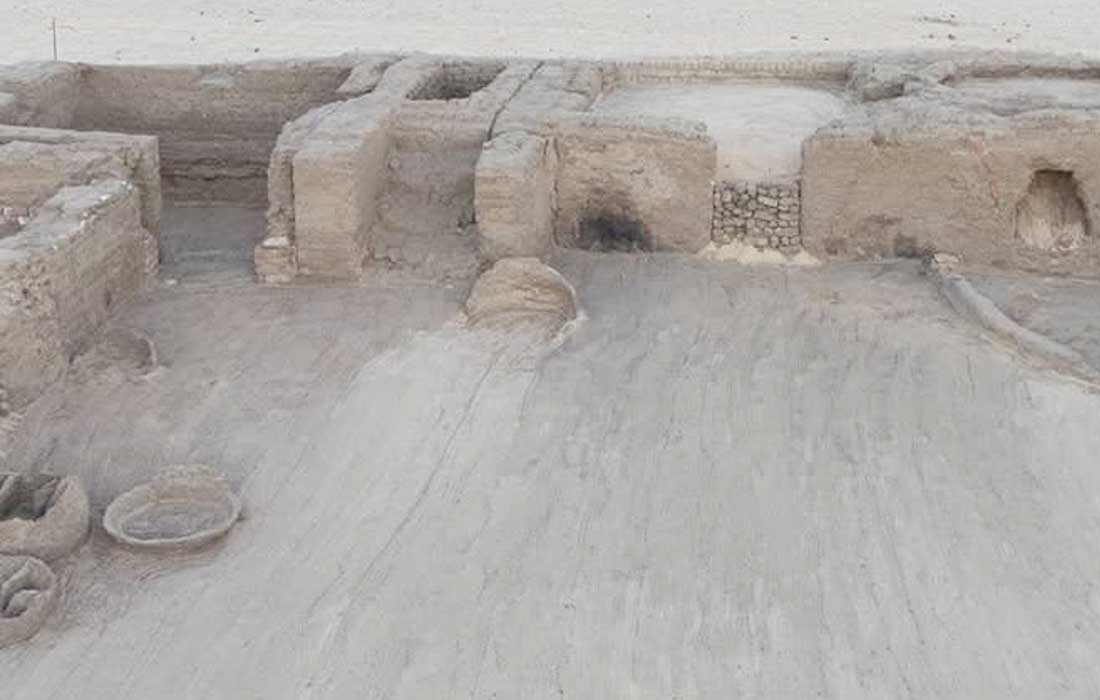
QENA: An Upper Egypt archaeological discovery has revealed the remains of an 18th-century mudbrick residential city alongside a Byzantine-era Coptic necropolis at the Sheikh Al-Arab Hammam site in Al-Arki village.
The joint Egyptian and French mission uncovered six houses with service buildings and part of an industrial zone. The settlement dates to the time of Sheikh Al-Arab Hammam, a prominent regional figure in the 18th century. Some homes were topped with mudbrick domes, while others featured palm trunk roofs. Traces of white lime plaster indicate varied architectural styles.
Artefacts found at the site include bronze coins, pottery fragments, children’s toys, jewellery and textile remains. These objects offer insight into daily life and economic activity in what appears to have been a vibrant community. Officials say the Upper Egypt archaeological discovery provides rare data on settlement patterns in a historically underdocumented area.
Beneath the residential layers, archaeologists identified part of a Coptic necropolis dating to the Byzantine period. The burial site includes simple ground interments and graves framed by mudbrick structures. Linen wrappings and tunics woven in the Coptic style were also found, decorated with geometric and floral motifs, animal figures and crosses.
Researchers located the necropolis following geophysical surveys and the earlier discovery of a reused limestone coffin lid at one of the city’s entrances. Bio-archaeological studies will examine around 23 individuals to assess diet, health and age, and to explore possible mummification practices.
Authorities say the Upper Egypt archaeological discovery could support plans to integrate the site into Egypt’s tourist map, given its strategic location between Dendera and Abydos.