
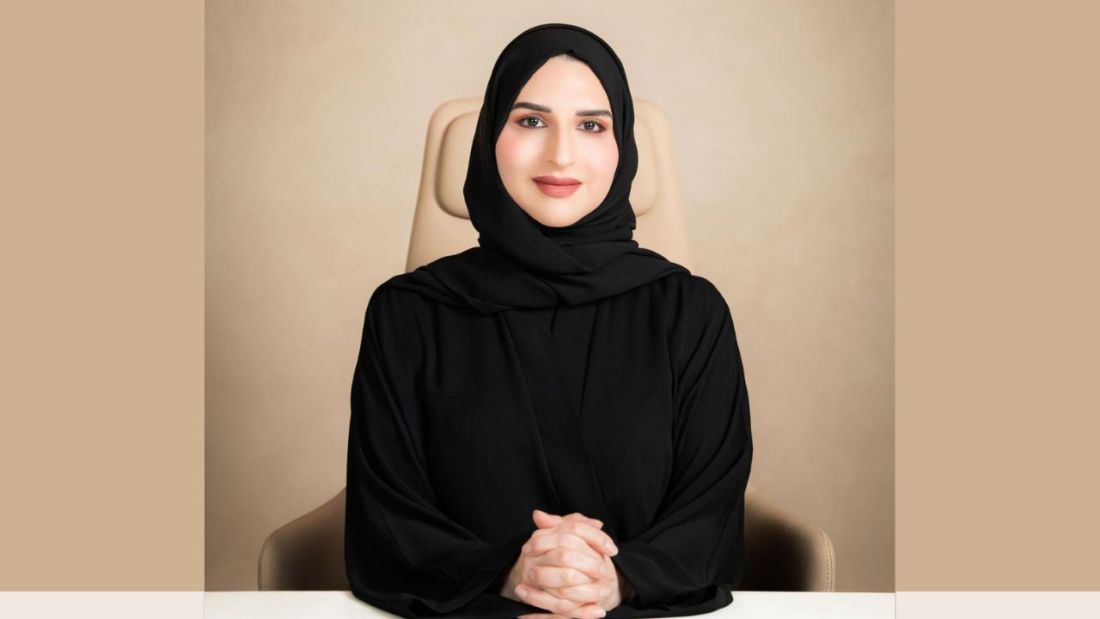
Her Excellency Hala Badri, Director General of Dubai Culture & Arts Authority, shares with The Brew News Managing Editor Shaneer N Siddiqui how long-term strategies like the Design Sector Strategy 2033 and Public Art Strategy are embedding creativity into daily life, celebrating local heritage while positioning Dubai within global cultural dialogues.
The Brew News: Your leadership at Dubai Culture has been defined by a long-term, future-facing vision, from the Design Sector Strategy 2033 to the Dubai Public Art Strategy. Could you share how these frameworks reflect your personal philosophy on cultural stewardship and what you see as their lasting impact on Dubai’s identity?
HE Hala Badri: When we shape cultural policy for Dubai, we begin with a simple idea that culture has the greatest impact when it is present in everyday life. The long-term frameworks guiding our work in design, public art, and the wider creative economy all move in the same direction. They help us build a city where creativity informs how people live, learn, and picture the future they want to be part of.
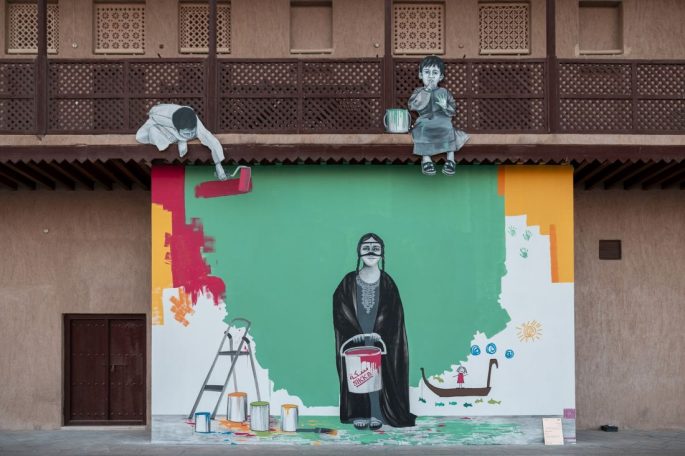
When our teams think about the city’s cultural strategy, we focus on the values that shaped our story, especially the openness that has guided us for so long and the awareness that what we build today should matter to those who come after us. This is why we support emerging designers through platforms such as the Dubai Cultural Grant and Sikka Art & Design Festival, and why we bring artworks into neighbourhoods, parks, and even mountain trails.
These efforts all contribute to the same vision. They influence how people experience Dubai and how those who live here connect with the city. For a long time, Dubai was associated mainly with its skyline. Today, the story is broader. It includes the ideas we nurture and the people who shape them. You can feel this shift. Our cultural spaces are growing in depth and reach, and partners from around the world are reaching out because they see real substance in what is being built here.
The lasting impact, I believe, will be a generation that feels ownership of its creative journey and a city that expresses itself with clarity and purpose. This is the Dubai we are working toward, and it is the Dubai that these strategies will help shape for many years to come.
The Brew News: Dubai is often described as a city where tradition and modernity co-exist harmoniously. In your role, how do you ensure that authentic Emirati heritage continues to shape the creative dialogue, especially as artists increasingly experiment with technology, new media, and global influences?
HE Hala Badri: I see heritage as something that is still very much alive and thriving, not something at odds with the present. When we talk about tradition in Dubai, we are really talking about the memories and stories that shape how people here see the world. Our job is simply to make sure these elements continue to influence our creative conversations, even as artists use new tools and engage with ideas from everywhere.
What makes a difference is giving creators access to our collective history. This includes museums and archives, but also research support, mentorship, and opportunities to spend time with the people who carry this knowledge. When artists connect with heritage in this way, their work feels rooted, even when they are experimenting with technology or new media.
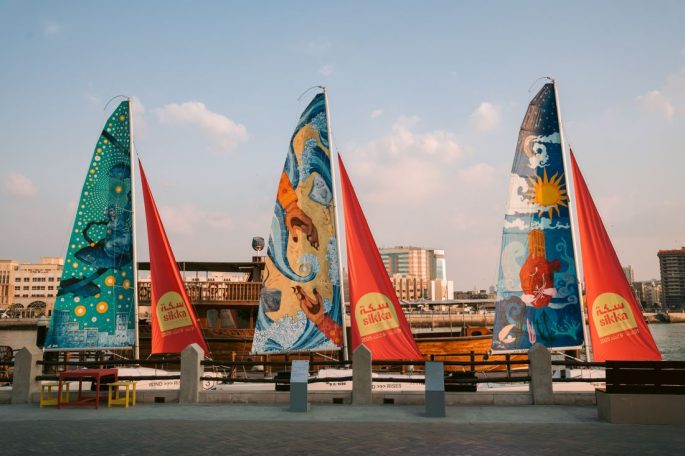
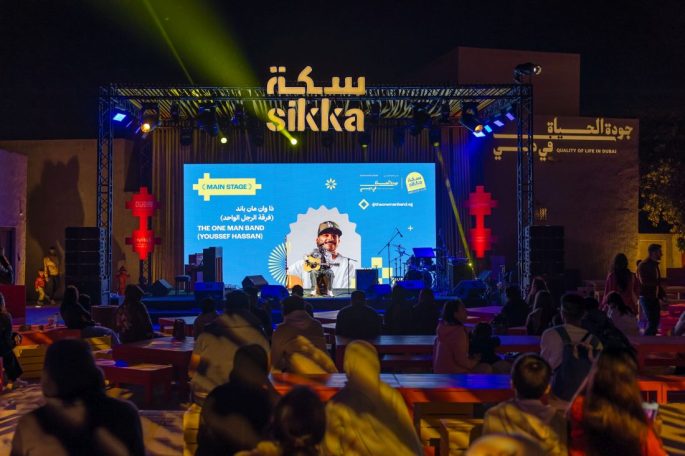
We also encourage experimentation and want our artists to feel free to try new forms. If you ever visit the Sikka Art & Design Festival, you’ll see this very clearly. Many of the exhibitions draw on memory and traditional values, but the artists express those ideas through sound, digital tools, and even AI. The connection to the past is still there, just expressed in a way that speaks to today’s audiences.
You see the same approach in our work abroad. At Expo 2025 Osaka, for example, the architects and creatives we supported presented research that placed Emirati practices in conversation with Japanese design thinking. They spoke about ‘arish,’ the palm-frond structures that once formed the backbone of coastal homes and are now inspiring low-impact design. They also highlighted how the falaj irrigation channels that organised early communities continue to influence the way we think about landscape and spatial planning today.
The Brew News: You’ve often emphasised that culture must be integrated into everyday life and not confined to gallery spaces. Could you elaborate on how this philosophy has shaped your initiatives across public parks, transport hubs, and neighbourhoods, making art and culture more accessible to all segments of society?
HE Hala Badri: Our approach starts from the simple notion that culture should be something anyone is able to encounter naturally as they move through the city. Not everyone has the time or means to plan a gallery visit, but everyone who calls this city home should be able to experience moments of beauty and connection. This is why we’ve focused through the Dubai Public Art Strategy to turn the city into an open and accessible global art gallery, bringing artistic experiences into parks, historic districts, beaches, and even up in the mountains.
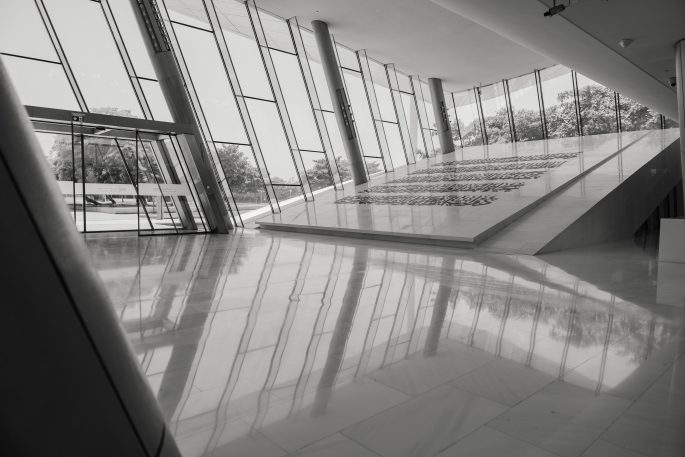
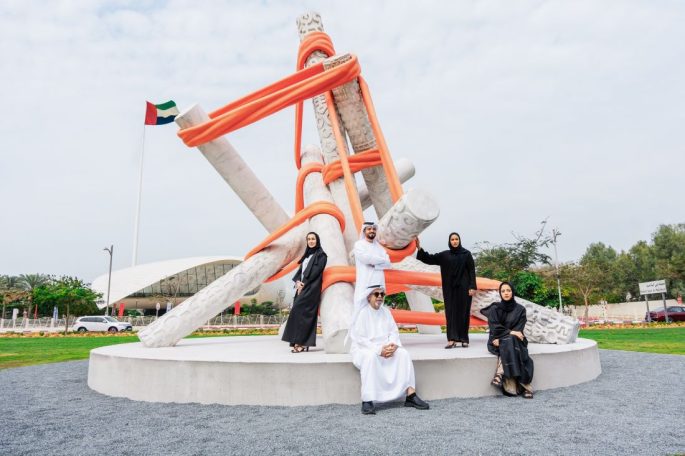
A key part of this is ensuring each work speaks to its surroundings. For example, in Al Hudaiba Public Park, ‘Union of Artists’ stands opposite to Etihad Museum, created by five Emirati artists whose practices echo the spirit and story of the Union. In Al Shindagha, ‘Resonance’ responds to the neighbourhood’s sensory character, inviting visitors to pause and take in the rhythm of the neighbourhood. And in Hatta, Deliberate Pauses places polished steel forms along mountain trails, framing the landscape and inviting visitors to slow down in a fast-changing region.
Such public art pieces give established and emerging artists a platform to test ideas outside traditional gallery walls, weaving public art into daily life, honouring local narratives, and transforming Dubai into a living canvas that evolves with its people.
The Brew News: Dubai has steadily increased its presence on the global cultural map through UNESCO networks and international design biennales. How do you view these collaborations, as more than showcases, but as platforms for cultural diplomacy, especially at a time when art is being used to build bridges between nations?
HE Hala Badri: I see these collaborations as ongoing relationships. When Dubai joins a UNESCO network or takes part in an international biennale, we are doing more than placing work on a global stage. We are entering conversations that shape how cultures understand each other. At a time when the world is searching for common ground, art and culture give people a way to connect without barriers.
We do, however, choose our platforms carefully. When Emirati designers present their work at Maison & Objet in Paris, they are sharing a design philosophy, materials drawn from our environment, and stories that reflect this region. You see the same effect at the Venice Biennale, where our emerging artists build relationships with peers from around the world.
Our role within the UNESCO Creative Cities Network carries the same spirit. It brings us into dialogue with cities that are navigating similar questions about design, culture, and the future of creative industries. We learn from their experiences, and they learn from ours. The growth is mutual, and that is what makes these partnerships meaningful.
The Brew News: Dubai has just hosted the ICOM General Conference in 2025, a first for the MEASA region. How significant was this moment for the UAE, and what conversations or shifts did this global gathering of museum professionals catalyse?
HE Hala Badri: Hosting the 27th ICOM General Conference was a defining moment for the UAE. It signalled that our museum sector has reached a level of maturity where it can not only participate in global conversations, but also lead some of them. For years, we have been building institutions, archives, and research programmes that reflect the complexity of our history and the pace of change in our region. Having thousands of museum professionals here from all over the world allowed us to share that progress.
What made the conference meaningful were the conversations it sparked. Many focused on intangible heritage and on how museums can protect knowledge passed from person to person rather than stored in objects. This topic is very close to our reality, whether in oral histories, craft traditions, maritime culture, or architectural practices; so the dialogue felt relevant and necessary.
There was also a strong exchange around youth and technology. Our region has an incredibly young population, and their expectations for how they engage with culture are shifting quickly. Discussions about digital interpretation, AI, immersive learning, and new models of participation came at precisely the right time for us. They aligned with the work we are already doing across our museums and public libraries.
To us, the conference was the beginning of deeper partnerships, and a clearer sense of how the UAE can contribute to the future of museums globally.
The Brew News: Given the longstanding economic and diplomatic ties between the UAE and India, how do you see cultural initiatives, from festivals to design exchanges, further strengthening this relationship? Could you share examples where art has helped expand geopolitical understanding?
HE Hala Badri: The relationship between the UAE and India has always been strong, and culture is becoming an even more important part of that connection. The Indian community is the largest expatriate group in the UAE, and that has influenced our food culture, the languages we speak, the festivals people celebrate, and friendships that form across generations.
At festivals like Sikka or Dubai Design Week, you will often find Indian and Emirati creatives exhibiting side by side, exchanging ideas about materials, craft traditions, and contemporary practice. We also see this through learning and community programmes. At the School of Life programme in our public libraries, many of the sessions are shaped by the diverse audiences who attend, including a strong Indian community.
On the economic side, India continues to play a significant role in Dubai’s creative industries. Indian-led creative enterprises, from design studios to cultural consultancies, add to the sector’s growth and help drive foreign investment. That reinforces the cultural relationship and creates more opportunities for collaboration.
The Brew News: With Dubai actively engaging with cultural capitals such as London, Milan, and Osaka, what are some recent partnerships or cross-border creative collaborations that you feel truly reflect Dubai’s global ambition and multicultural ethos?
HE Hala Badri: What I appreciate about all our partnerships is that they never feel like one-way showcases. Dubai is already home to so many nationalities, so when we collaborate with cities like London, Milan, or Osaka, the exchange tends to be genuine.
For example, in London, our support for Shatha Essa Al-Mulla at Harrods sparked real conversations with buyers, editors, and designers about what Emirati design language looks like when it meets a global stage. In Milan, our designers have built relationships that now flow naturally between Dubai Design Week and the networks surrounding Italy’s design community. Osaka opened another door. At Expo 2025, our architects and designers engaged in deep dialogue with Japanese counterparts on sustainable building, the role of heritage in modern cities, and concepts such as ‘arish’ and the ‘falaj’ system. Two very different cultures, but the common ground around design and respect for tradition surprised everyone.
We see similar patterns with Venice and New York. When our young artists join the Venice Biennale or the ‘National Youth Orchestra–Dubai’ performs at Carnegie Hall, they come back with relationships that last. These connections become the foundation for future work. In the end, it reflects who we are. As a city hosting many nationalities, we build bridges instinctively. At Dubai Culture, our job is to make sure those bridges carry something meaningful in both directions.
The Brew News: Dubai’s introduction of the 10-year Cultural Visa has been a game-changer for international artists and creatives. How do you think this initiative has redefined Dubai’s role as a destination not just for showcasing work, but for building long-term artistic careers and creative enterprises?
HE Hala Badri: Before the Cultural Visa, many international creatives saw Dubai as a place to stop by when they exhibited at one of our events or festivals. It was a city with plenty of opportunity, but it was perceived as temporary. The moment we offered a path to stay for ten years, the thinking changed.
Stability invites ambition. When people know they can build a life here, they start opening studios, registering businesses, and planning projects that unfold over years rather than months. They mentor younger artists. They dig into the city, learning about our heritage, collaborating with Emirati creatives, and become part of the rhythm here.
It has also created natural links with other countries. Artists who settle here carry ideas back and forth between Dubai and their home communities. That kind of exchange benefits everyone.
What matters to us most is the signal it sends to the next generation. When young Emirati creatives see international practitioners building serious careers alongside them, they understand that Dubai isn’t just a stage for global talent, it’s a home for it. That’s the cultural sector we’re trying to build.
The Brew News: You’ve spoken powerfully about the role of women in shaping Dubai’s creative economy, with women representing 80% of leadership at Dubai Culture. What structural or cultural shifts do you think enabled this progress, and how can other cities learn from this model?
HE Hala Badri: When people ask about the strong female representation at Dubai Culture and Arts Authority, I always say it didn’t happen by accident. The UAE has been investing in people’s potential for decades, through policy, education, and nationwide support systems. It also included long-standing commitments to gender balance. So, when women step into cultural leadership roles today, it feels like a natural extension of what the country has been building all along.
At Dubai Culture, they lead major projects, run institutions, and plan out the long-term strategy. This is especially crucial for young women just entering the sector, as it provides them with a role model to look up to. It sets a tone: your voice matters, and your growth is part of the institution’s growth.
If other cities want to learn from this, I’d say they need to build an ecosystem that spots talent early and nurtures it. Gender balance comes from real opportunities, clear pathways, and an environment where everyone’s voice can be heard to help influence decisions at every level. When that happens, the whole sector becomes stronger.
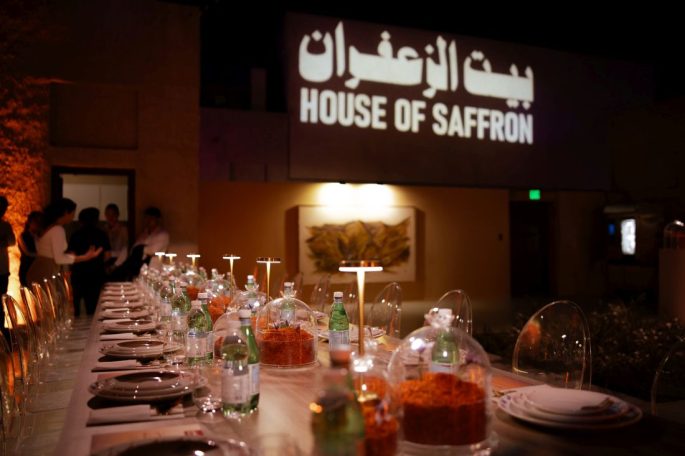
The Brew News: Having mentored many creatives through Dubai Culture’s programmes, what advice would you offer to the next generation of Emirati artists and designers who wish to be recognised not only locally but also as global cultural ambassadors?
HE Hala Badri: One thing I find myself repeatedly reminding young artists and designers about is the importance of starting with honesty. The work that people tend to relate to most, whether that’s here or abroad, usually comes from a clear sense of who you are and what you want to say. When that foundation is solid, everything else follows.
Curiosity matters just as much. The creatives who evolve quickly are the ones who keep exploring, whether that means travelling, reading widely, meeting people from different fields, or experimenting with new tools while staying true to their own voice. That openness keeps the work moving forward.
Heritage is also a powerful resource. Our stories, materials, landscapes, and ways of seeing offer endless possibilities. When Emirati creatives draw from these foundations and place them in conversation with global ideas, the result feels both contemporary and grounded. That’s what makes a cultural ambassador.
And finally, confidence. Many emerging creatives underestimate the strength of their own perspective. Yet whenever they share their work internationally, the response is warm and sincere. Audiences want to understand this region through the eyes of its people. Trust that.
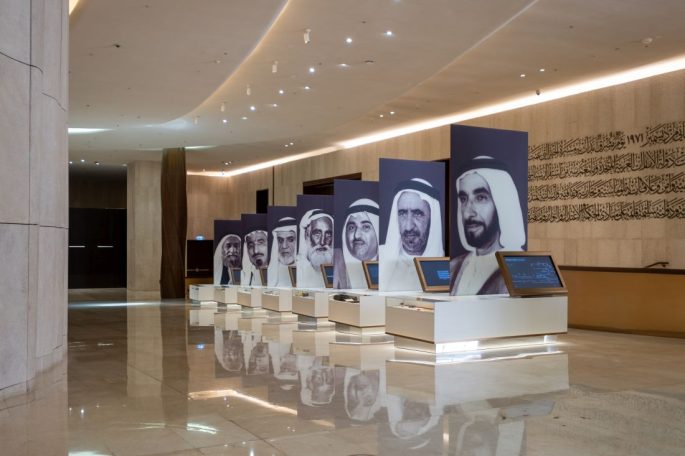
The Brew News: As Dubai continues to attract millions of international visitors, what are some lesser-known cultural experiences, perhaps outside the traditional museum routes, that you would recommend to a tourist eager to connect with the city’s soul and stories?
HE Hala Badri: The best way to understand Dubai is to spend time in the places where everyday life happens. Museums matter, of course, but the spaces between them speak just as strongly.
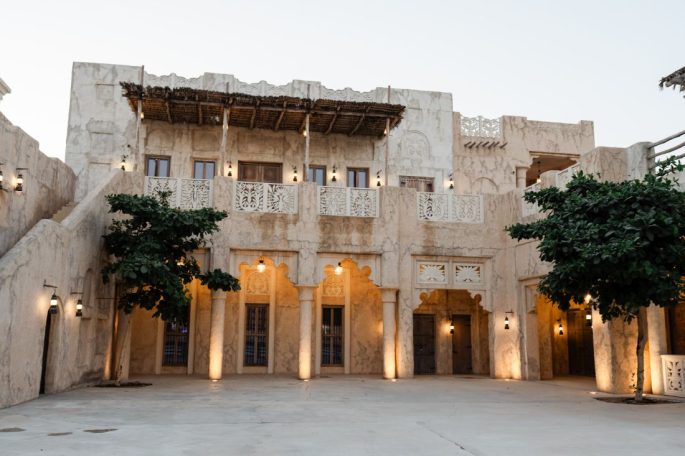
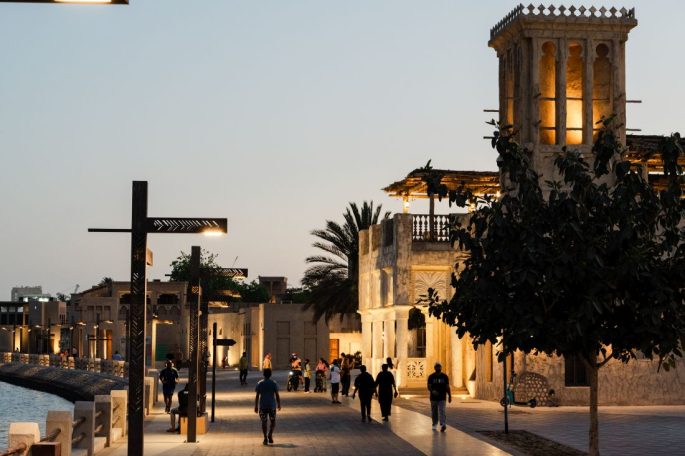
A walk through Al Shindagha Historic Neighbourhood, for example, offers a direct connection to the city’s past. You get to experience restored homes, hear about family histories along the Dubai Creek, and sense the maritime rhythms that shaped the city’s beginnings.
For a feel of what’s happening today, I often point people toward Al Quoz Creative Zone, especially the smaller studios and cafés around the district. It’s where you feel the energy of the city’s young artists testing new ideas and see the small cultural businesses that reflect the community’s diversity.
And then there are the libraries. Many people don’t expect this, but our public libraries are lively cultural spaces with the School of Life programming, the workshops, and the evening talks. They show how culture is woven into everyday routines for residents of all ages.
The Brew News: With more than 195 nationalities calling Dubai home, how does this unique demographic landscape influence the city’s cultural and artistic expression? In what ways does this rich multiculturalism challenge and expand the local creative narrative?
HE Hala Badri: When more than 195 nationalities live side by side, you get a cultural landscape shaped by many perspectives, stories, and artistic languages. For us, this is something we embrace because it gives the city an energy that feels open and constantly evolving. This can be seen in the themes artists explore and in the ways our exhibitions and festivals draw on influences from different parts of the world. Even when a work is deeply rooted in Emirati heritage, the conversations around it are influenced by people who bring their own histories.
It is a challenge, but definitely one we welcome. With such a diverse audience, we can’t rely on a single cultural reference or assume one way of interpreting art. That’s pushed us to make programming more inclusive, more multilingual, and more connected to the realities of everyday life here. What I find encouraging is how younger creatives navigate this because they’re so comfortable drawing from different worlds at once. They move easily between local heritage and the influences they pick up from friends, travel, and digital communities. That mix is becoming part of Dubai’s identity and what sets us apart.
The Brew News: In many parts of the world, government investment in culture is declining. Yet, in Dubai, we see the opposite, strategic cultural investment is on the rise. Why is culture seen as so crucial to Dubai’s economic growth, and how are you ensuring this creative ecosystem is both sustainable and inclusive?
HE Hala Badri: Dubai has always understood that culture isn’t separate from economic development. When we invest in creativity, we’re investing in people, skills, ideas, and the kind of environment that attracts talent from around the world. That’s why cultural investment here keeps growing. We recognise its role in building long-term resilience.
The creative economy already contributes substantial value. You see it in the rise of design, gaming, performing arts, architecture, and the many homegrown businesses that have chosen Dubai as their base. Real sustainability comes from building systems rather than isolated initiatives. Programmes such as the Dubai Creative Economy Strategy, the Dubai Cultural Grant programme, the Design Sector Strategy 2033, the ongoing development of Al Quoz Creative Zone, and the expansion of public art across the city all create clear pathways for creative professionals.
The outcomes are measurable. In 2022, Dubai’s cultural and creative industries generated AED 21.96 billion in value-added, contributing 4.6% to the emirate’s GDP. In 2024, the city attracted 971 foreign direct investment projects in the sector, with capital inflows of AED 18.86 billion and more than 23,000 new jobs created.
The Brew News: Alserkal Avenue and the wider Al Quoz Creative Zone have become benchmarks of grassroots artistic development. How does Dubai Culture work to ensure that these creative ecosystems not only survive but thrive, and continue to reflect the city’s evolving cultural identity?
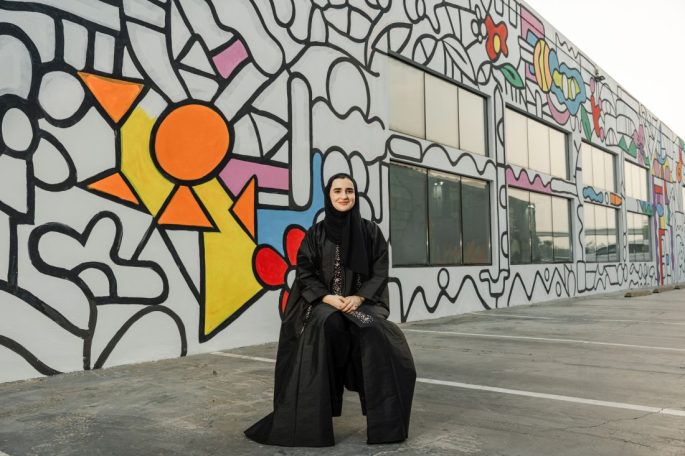
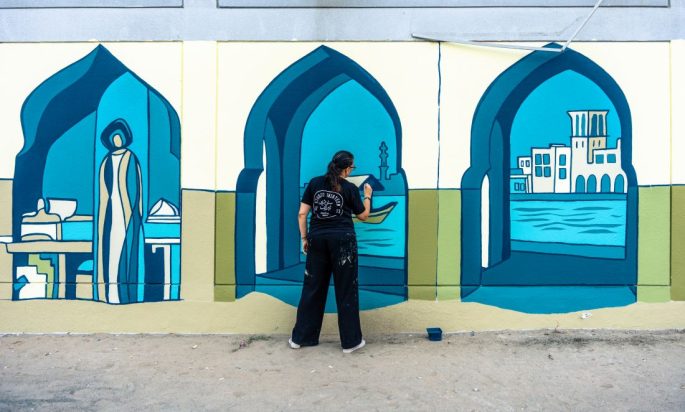
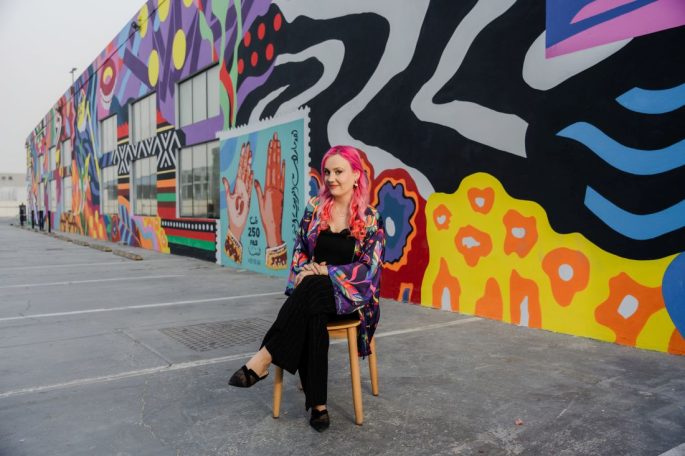
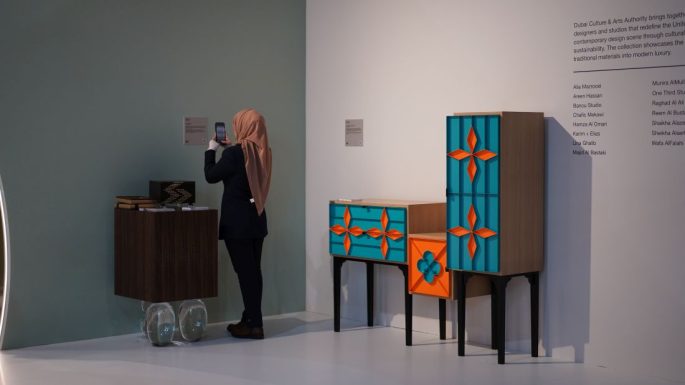
HE Hala Badri: Al Quoz and Alserkal Avenue grew from the ground up, shaped by the people who chose to create there, and that spirit is something we’re very intentional about preserving. Much of our work is about making the path easier for them. We’ve streamlined permitting and set-up processes so creative businesses can focus on what they do best. We’ve also invested in shared spaces and infrastructure, because a district only becomes truly creative when people want to spend time there. The murals by Rabab Tantawy, Hend Al Murid, and Dina Saadi served that exact purpose. They helped the neighbourhood feel lived-in and claimed by its own community.
We also create opportunities that bring the community together. The Al Quoz Creative Entrepreneurship Forum, for example, gives emerging businesses and entrepreneurs a space to meet and test ideas. The competition attached to it offers tangible support at a critical stage. Combine that with workshops, talks, and the connections that form naturally in the district, and you start to see an ecosystem that sustains itself.
What matters most is that Al Quoz stays authentic. Its character comes from the people who work there every day, including the artists, designers, and young creatives who bring ideas to life. Our job is to keep the conditions right so they can keep going.
The Brew News: Looking ahead, what kind of legacy do you hope to leave behind through your work at Dubai Culture, particularly for future generations of creatives engaging with heritage, innovation, and the global arts dialogue?
HE Hala Badri: When I think about legacy, I think less about projects and more about people. I hope that future generations feel confident about experimenting and embarking on their own creative journeys and that they see culture as something they can participate in, not something that belongs only to institutions. If we’ve helped build that kind of environment, it has served its purpose.
I also hope young creatives grow up knowing they don’t have to choose between heritage and innovation. Both can live side by side. The more time I spend with artists and designers here, the clearer it becomes that our traditions still have so much to offer — in materials, in stories, in ways of thinking, especially when placed in dialogue with global ideas and new technologies. If that understanding carries forward, it will give the next generation a strong foundation.
And I hope Dubai continues to be a place where cultural exchange feels natural. We’re a city that brings people from every part of the world together, and that diversity is one of our greatest strengths. If emerging voices feel empowered to collaborate across borders and bring those experiences home, then we’ll have contributed something meaningful to the conversation.