

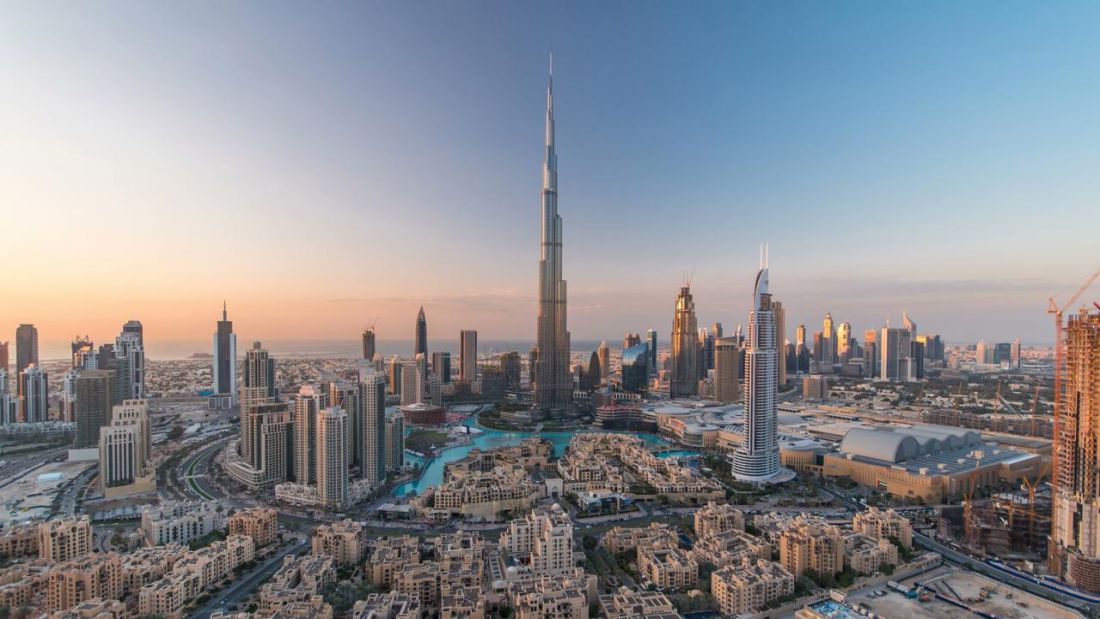

Dubai residential market forecast indicates possible price corrections as supply rises, with investors advised to adopt risk-aware strategies.
DUBAI: Dubai residential market forecast points to a potential adjustment phase over the next three years, as rising supply and shifting demand dynamics begin to reshape the emirate’s property landscape. After a strong growth cycle, experts now expect a more cautious period between 2026 and 2028.
Recent data by Elite Merit Real Estate shows the market delivered nearly 20 percent annual growth as of early 2026, marking one of its strongest performances in recent years. However, the Dubai residential market forecast suggests that a significant supply wave could introduce downward pressure, particularly in mid-market apartment segments.
Analysts highlight three key factors influencing future price movements. The first is the scale and timing of new residential supply entering the market. A surge in completions over the next two years could test the market’s absorption capacity, with some projections indicating potential price declines in a downside scenario.
The second factor is the widening gap between prime and mass-market properties. Prime residential areas and luxury developments are expected to remain relatively stable, supported by sustained demand from high-net-worth buyers. In contrast, mid-market segments may face greater volatility.
The Dubai residential market forecast also underscores the continued outperformance of villas compared to apartments. This trend reflects changing buyer preferences, with increased demand for space, privacy and established communities.
Experts recommend that investors adopt a cautious and strategic approach. Segment-specific risk assessment, careful monitoring of project delivery timelines and a focus on high-quality assets are seen as essential to navigating potential fluctuations.
While a sharp correction is not guaranteed, the outlook suggests a period of moderation following years of rapid growth. For investors, understanding market cycles and positioning portfolios accordingly will be key to maintaining long-term resilience.