
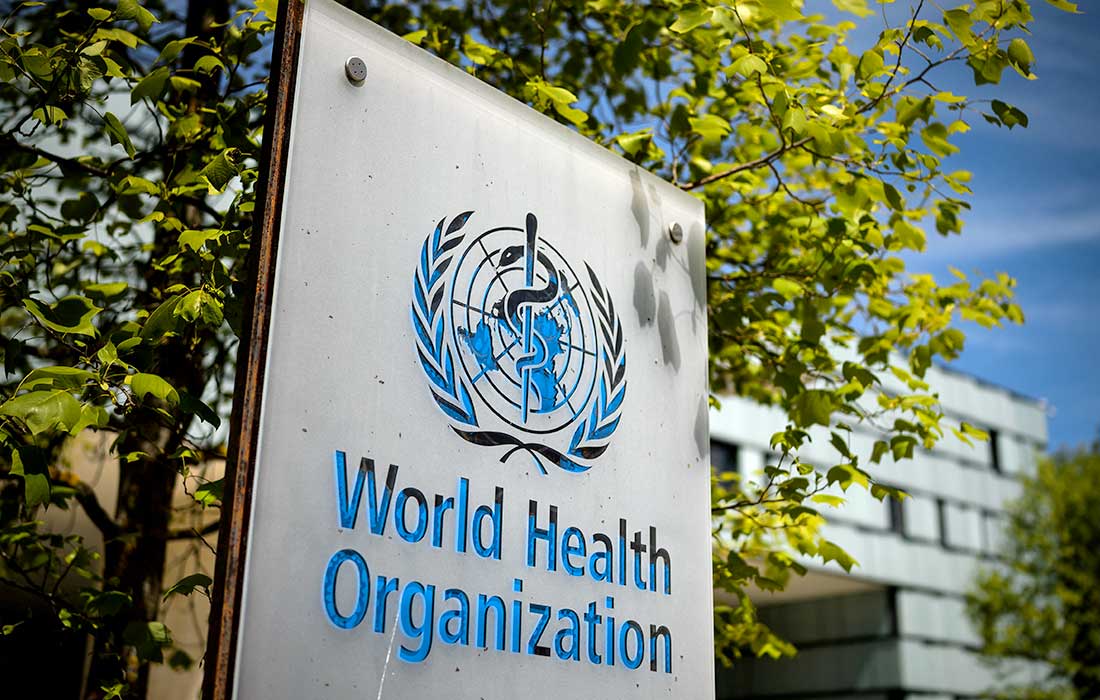

The World Health Organisation has launched its World Health Day 2026 campaign under the theme “Together for health. Stand with science,” urging global unity and renewed commitment to scientific progress as the foundation for better health outcomes worldwide.
GENEVA: The World Health Organisation is marking World Health Day 2026 with a rallying call to people everywhere to stand with science and work together for better health. The campaign, launched on the anniversary of WHO’s founding on April 7, 1948, kicks off a year-long push to renew global commitment to the science-backed progress that has transformed human health over the past century.
The numbers tell a powerful story. Global maternal mortality has dropped by more than 40 per cent since 2000, and deaths among children under five have more than halved. Conditions that once ended lives, including high blood pressure, cancer, and HIV infection, are now manageable for millions, thanks to decades of research, collaboration, and innovation.
But the threats keep coming. Climate change, environmental damage, geopolitical tensions, and shifting population patterns are placing health systems under growing strain, while new diseases with epidemic or pandemic potential continue to emerge. WHO says thousands of scientists worldwide are working to get ahead of these challenges, developing the tools, policies, and innovations needed to protect communities today and tomorrow.
To mark the occasion, WHO and France’s G7 Presidency are co-hosting a One Health Summit in Lyon from April 5 to 7, bringing together heads of state, scientists, and community leaders. WHO will also host its Global Forum of Collaborating Centres from April 7 to 9, drawing representatives from more than 800 academic and research institutions across 80-plus countries.
WHO Director-General Tedros Adhanom Ghebreyesus said people in every country live longer, healthier lives today than their ancestors did, a direct result of scientific achievement. WHO Chief Scientist Dr Sylvie Briand added that without rigorous scientific inquiry, the world risks being guided by bias and misconception, with consequences that place lives at risk.