

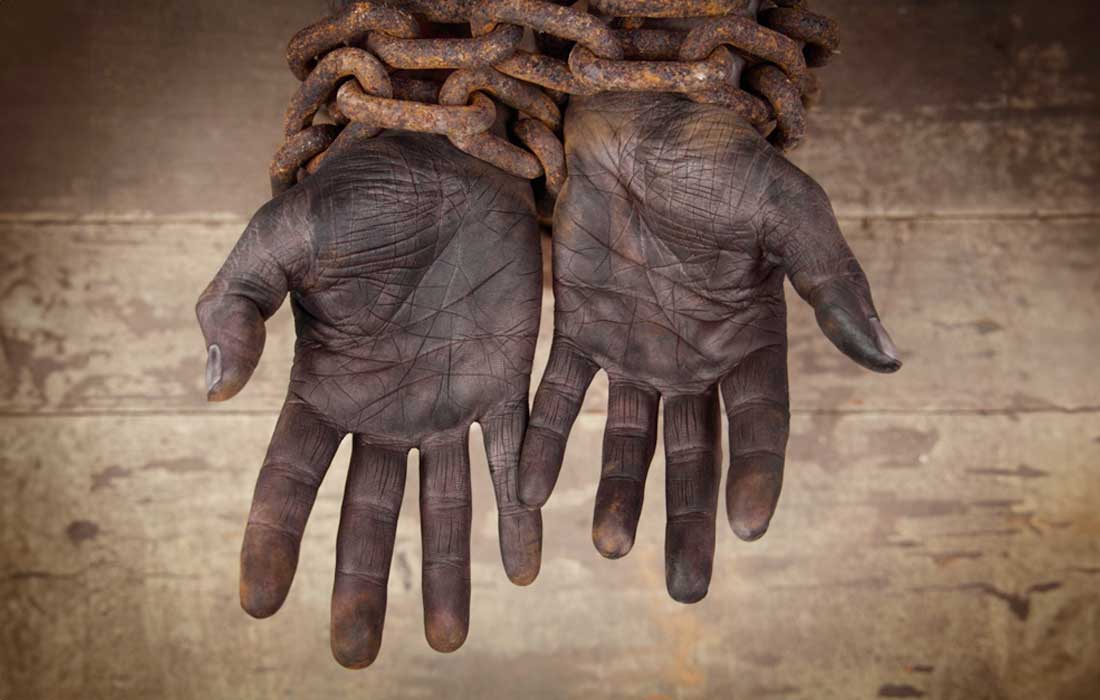

UN slavery resolution calls transatlantic slave trade the gravest crime against humanity and opens global debate on reparations while US, Israel and Argentina voted against the resolution.
NEW YORK: UN slavery resolution is making global headlines after the United Nations took a major step by officially describing the transatlantic slave trade as the “gravest crime against humanity.”
The move, led by Ghana, goes beyond symbolic language. It directly calls on countries to start serious conversations about reparations, including the return of cultural artefacts taken during colonial rule. For many, this feels like a long-overdue shift in how history is acknowledged at a global level.
The UN slavery resolution highlights not just the scale and brutality of the slave trade, but how its effects still shape the modern world. From economic systems to labour structures, the legacy of slavery is described as something that continues to influence everyday life.
The vote itself tells its own story. A total of 123 countries backed the resolution, including all African nations involved. But 52 countries abstained, among them several European states, along with Australia, Japan and Oman.
Only three countries voted against it, the United States, Israel and Argentina, adding another layer to the global conversation the resolution has sparked.
Experts say the UN slavery resolution is one of the strongest acknowledgements yet of the long-term consequences of slavery. More importantly, it pushes the conversation forward, from recognition to what comes next.
And that next step, whether it’s reparations, restitution or policy change, is likely to be where the real debate begins.