

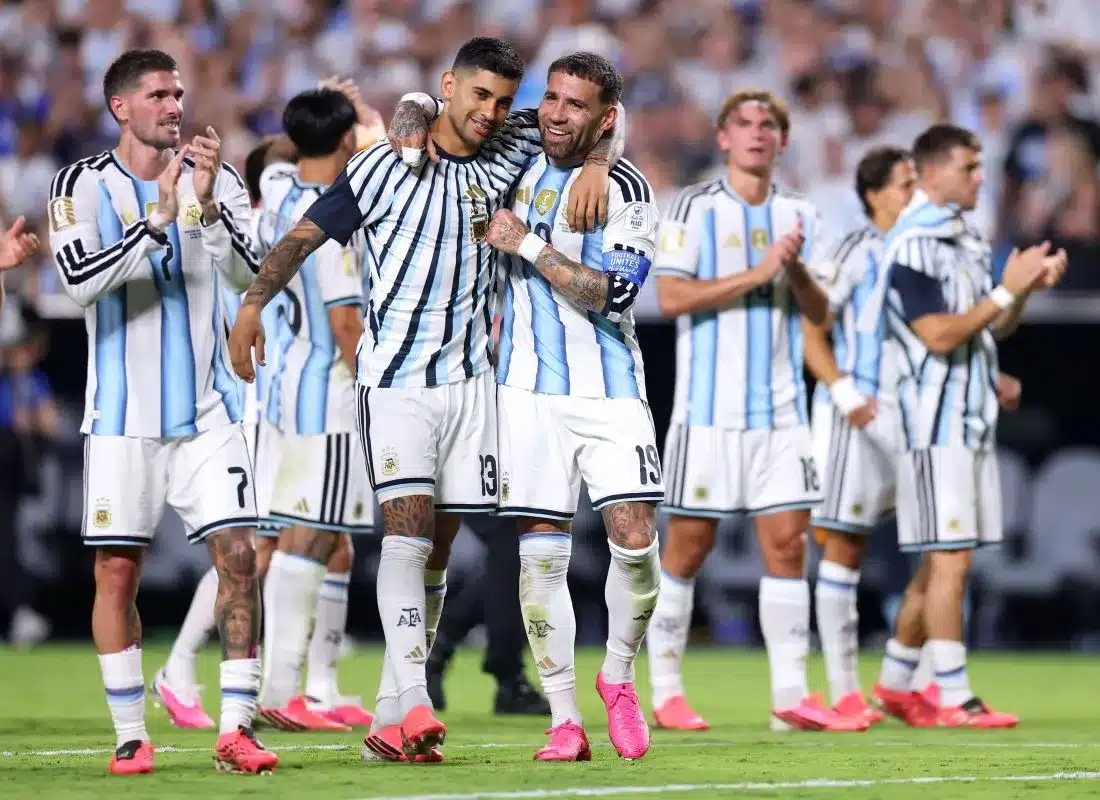

FIFA World Cup ticket prices have reached unprecedented levels on resale platforms, with one listing exceeding US$11 million. While official tickets remain significantly cheaper, limited availability and soaring demand have pushed resale prices to extraordinary highs, prompting many fans to explore digital alternatives.
DUBAI: As the FIFA World Cup enters its knockout stages, football fans are facing an unexpected challenge beyond the action on the pitch: the soaring cost of match tickets. While official ticket prices vary by match and seating category, resale marketplaces have seen prices climb to extraordinary levels, with one listing reportedly exceeding US$11 million.
The eye-catching resale price has drawn global attention, highlighting the growing gap between official ticket sales and the secondary ticket market. Although such premium listings may not reflect actual selling prices, they demonstrate how demand for the world’s biggest football tournament has fuelled speculative pricing.
Reports also show that fans hoping to attend matches in Miami encountered some of the tournament’s highest entry costs. The lowest resale ticket price for a match in the city was reported at US$960, making even the cheapest seats inaccessible for many supporters.
Premium hospitality and VIP experiences have also seen dramatic increases. One of the tournament’s highest-priced hospitality tickets reportedly reached US$32,970, after originally being offered at US$10,990. These packages typically include premium seating, exclusive lounges, gourmet hospitality and other match-day experiences, making them attractive to corporate guests and affluent football fans.
Why are FIFA ticket prices so high?
Several factors are contributing to the sharp increase in resale prices. The FIFA World Cup remains one of the world’s most sought-after sporting events, attracting millions of supporters from across the globe. Limited stadium capacity, high international travel demand and knockout-stage excitement naturally reduce ticket availability.
Resale platforms also operate on market demand, allowing ticket holders to set their own prices. As availability decreases closer to match day, asking prices often rise significantly, particularly for high-profile fixtures featuring football’s biggest nations or matches played in popular host cities.
However, industry analysts note that listed resale prices do not necessarily represent completed sales. Exceptionally high listings may attract headlines, but the actual transaction value could be considerably lower if buyers are unwilling to pay the asking price.
Are FIFA fans choosing digital alternatives?
With stadium attendance becoming increasingly expensive, many football supporters are turning to digital experiences instead. Interactive streaming platforms, virtual fan communities and online football competitions now offer supporters opportunities to follow their national teams without paying premium ticket prices or travelling internationally.
The growing popularity of digital World Cup experiences reflects changing fan behaviour, especially among younger audiences who value accessibility and real-time engagement. These platforms allow supporters to participate in fantasy games, live discussions and interactive match experiences from anywhere in the world.
Despite rising resale prices, official FIFA ticket sales continue to offer more affordable options whenever inventory becomes available. Fans are generally encouraged to purchase tickets only through authorised sales channels to reduce the risk of fraud, counterfeit tickets or inflated resale costs.
As the tournament progresses towards its decisive stages, demand is expected to remain strong, meaning ticket prices on secondary markets could continue fluctuating depending on match significance and availability.