

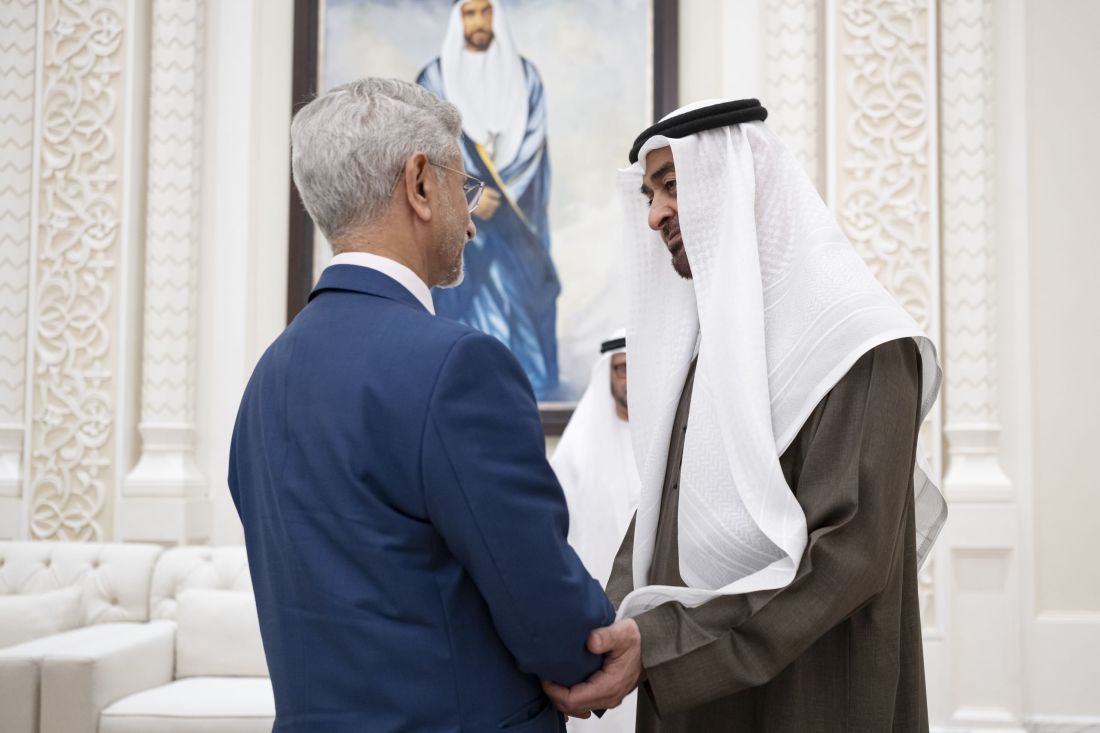

India UAE diplomacy reflects steady engagement and economic alignment, reinforcing trade, investment, and strategic cooperation despite regional uncertainty.
DUBAI: India-UAE diplomacy is entering a more mature phase, defined by consistency, economic depth, and strategic clarity. In a conversation with The Brew News Managing Editor Shaneer N Siddiqui, Ramesh Mahalingam, Governor of the Indian Business and Professional Council Dubai, and Founder of Ideal Capital Management Consultants, discussed the recent visit of Subrahmanyam Jaishankar, noting that India-UAE diplomacy reflects continuity rather than a reactive response to regional instability.
The Brew News: What does the External Affairs Minister’s visit to the UAE signal about India’s diplomatic approach at this moment?
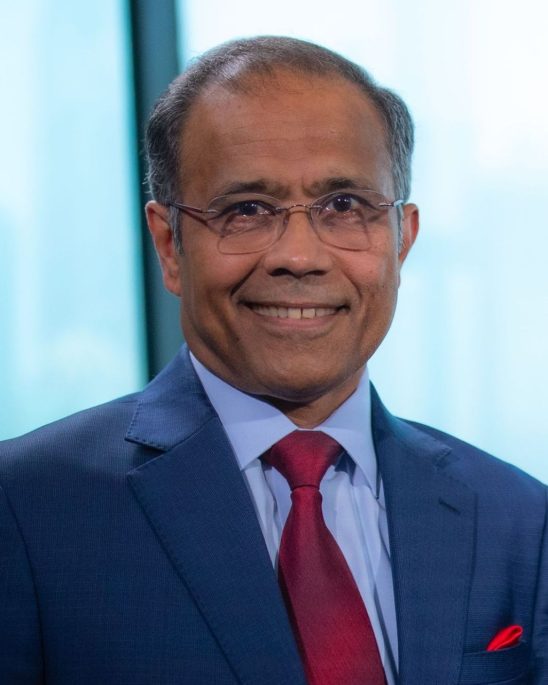
Ramesh Mahalingam: It signals continuity and composure. India’s engagement with the UAE is not episodic or reactive. It is anchored in long-term strategic and economic interests that transcend regional turbulence.
Even amid the current period of uncertainty, India has chosen active engagement over studied distance. This reflects three enduring principles that our community would do well to appreciate: strategic autonomy, consistency in partnerships, and a pragmatic approach to managing geopolitical risk. India is demonstrating, quietly but clearly, that it can sustain broad-based relationships without being drawn into binary alignments.
The Brew News: How are India-UAE ties, particularly under the CEPA framework, reshaping the economic landscape in ways that matter to the Indian community here?
Ramesh Mahalingam: The relationship has moved decisively beyond a traditional bilateral framework. CEPA has accelerated trade and institutional cooperation in ways that create real, tangible opportunities for Indian businesses operating in this corridor.
Bilateral trade has already crossed USD 100 billion, with a joint ambition to reach USD 200 billion by 2032. UAE sovereign and institutional capital is increasingly active in India’s infrastructure, energy, and emerging sectors. For Indian entrepreneurs, professionals, and investors in the UAE, this deepening of economically anchored partnership is not merely geopolitical news. It is the structural backdrop against which their businesses and careers are advancing.
The Brew News: What practical economic outcomes could emerge from this visit?
Ramesh Mahalingam: Three areas stand out.
First, energy cooperation. India and the UAE already have strong linkages in crude, LNG, and strategic storage. Collaboration in renewables and green hydrogen is a growing dimension of this.
Second, investment flows. UAE sovereign wealth funds and institutional investors continue to expand in India, particularly in infrastructure, logistics, and urban development. This creates downstream opportunity for Indian firms with relevant capabilities.
Third, trade expansion. Continued CEPA implementation is expected to reduce operational friction and support further growth in both oil and non-oil trade, benefiting Indian exporters and traders directly.
The Brew News: How does this partnership strengthen India’s position in global supply chains?
Ramesh Mahalingam: The UAE’s strengths in logistics, ports, and free zones complement India’s manufacturing and services capabilities. Together, they create a natural platform for Indian exports to access markets across West Asia, Africa, and Europe.
For the Indian business community here, this is significant. Many of our members operate precisely at this intersection: sourcing from India, distributing across the region. The strategic framing from both governments is now aligned with what our community has been doing organically for decades.
The Brew News: What about the financial integration dimension?
Ramesh Mahalingam: This is an underappreciated dimension of the relationship. UAE sovereign capital is already a meaningful contributor to India’s investment landscape. The complementarity between financial centres such as Dubai and GIFT City is growing. Initiatives around local currency settlement are aimed at making bilateral trade more efficient and less exposed to third-currency volatility.
Over time, these developments point toward deeper financial integration and a more seamless flow of capital between the two economies. For Indian businesses and investors in the UAE, that is a structural tailwind worth tracking.
The Brew News: What is your overall takeaway for the Indian community in the UAE?
Ramesh Mahalingam: The India-UAE relationship is steady, multidimensional, and grounded in economic substance. In a complex geopolitical environment, that kind of partnership is genuinely rare.
For our community, this moment is a reminder that the corridor we occupy is not just commercially significant. It is strategically valued by both governments. That is a foundation of considerable strength, and we should engage with it purposefully.