

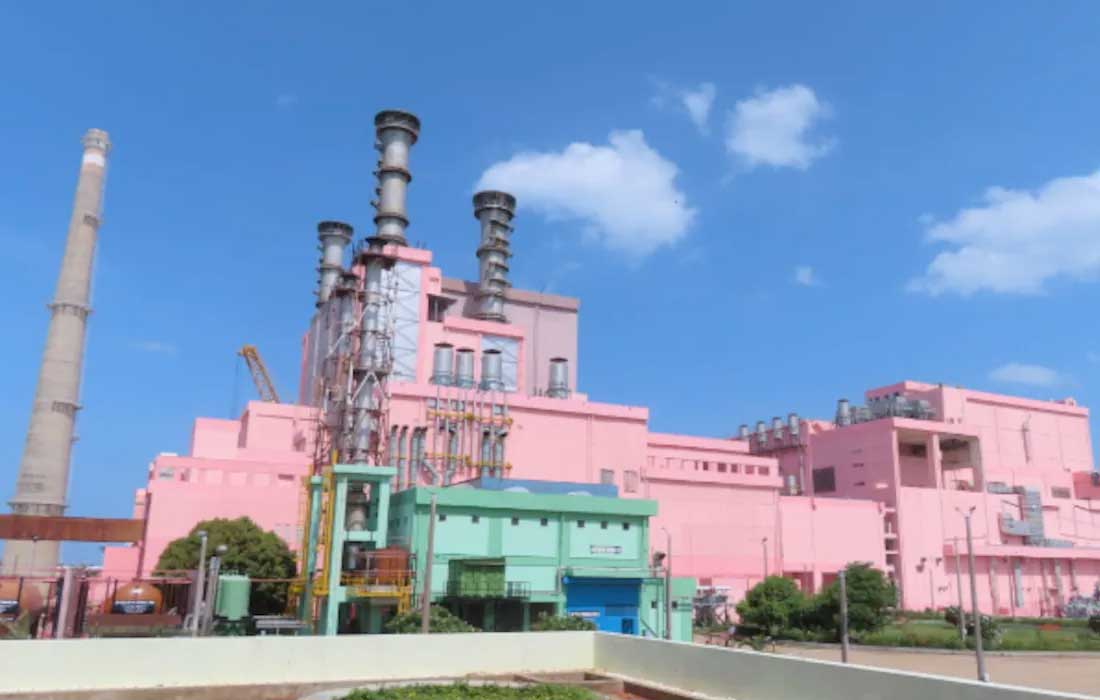

India has achieved a landmark moment in its civil nuclear programme as the Prototype Fast Breeder Reactor at Kalpakkam in Tamil Nadu attained criticality, marking the country’s entry into the second stage of its three-stage nuclear energy plan.
NEW DELHI: India has reached a defining milestone in its civil nuclear energy journey as the Prototype Fast Breeder Reactor at Kalpakkam in Tamil Nadu attained criticality on Monday, achieving a self-sustaining nuclear fission chain reaction and bringing the country one decisive step closer to full reactor operation.
The Indian PM described the development as a defining moment in India’s nuclear journey, saying the indigenously designed and built Prototype Fast Breeder Reactor at Kalpakkam has attained criticality. He added that the achievement reflects the depth of India’s scientific capability and the strength of its engineering enterprise, and is a decisive step toward harnessing the country’s vast thorium reserves in the future.
In nuclear terminology, criticality refers to the point at which a reactor sustains a self-sufficient fission reaction, with enough neutrons produced to keep the process going without external intervention. While the reactor is not yet generating electricity at full capacity, achieving criticality is among the most critical commissioning milestones for any nuclear plant.
The Prototype Fast Breeder Reactor is a 500 megawatt electric, sodium-cooled fast breeder reactor more than two decades in the making. It has been developed and is operated by Bharatiya Nabhikiya Vidyut Nigam Limited under the Department of Atomic Energy, based at the Indira Gandhi Centre for Atomic Research campus in Kalpakkam.
Atomic Energy Commission Chairman Dr Ajit Kumar Mohanty called it a historic milestone for India’s peaceful nuclear energy programme, confirming that the reactor’s first criticality marks India’s formal entry into the second stage of the three-stage nuclear power programme first envisioned by physicist Homi Jehangir Bhabha.