

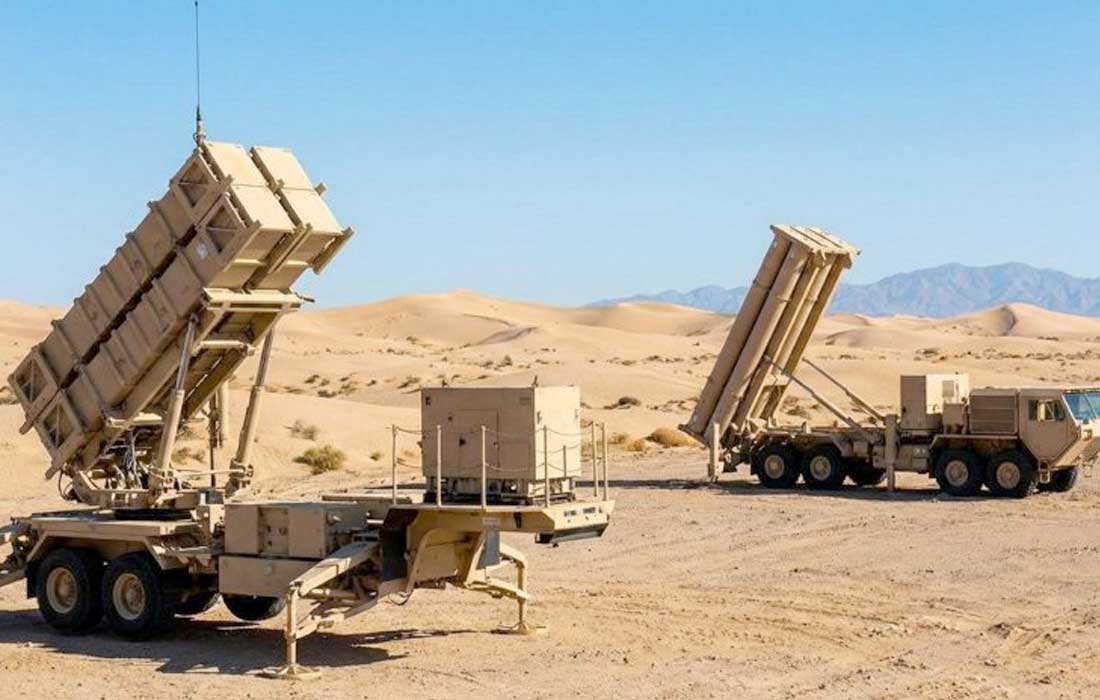

UAE air defences engaged 16 ballistic missiles and 42 UAVs on March 29, as Saudi Arabia, Kuwait, and Bahrain also reported significant intercepts, with the cumulative regional toll since February 28 reaching staggering levels across all four Gulf states.
ABU DHABI: Sunday brought another relentless wave of Iranian attacks across the Gulf, and once again, the air defences of four nations rose to meet it. The UAE, Saudi Arabia, Kuwait, and Bahrain all reported significant intercept operations on March 29, 2026, in what is becoming the defining daily reality of a conflict that shows no sign of slowing.
The UAE Ministry of Defence confirmed that air defence systems engaged 16 ballistic missiles and 42 UAVs launched from Iran on March 29, the single heaviest daily barrage in recent days. Since the start of Iran’s attacks, UAE air defences have now engaged a cumulative total of 414 ballistic missiles, 15 cruise missiles, and 1,914 UAVs, numbers that speak to the sheer scale and persistence of the campaign being directed at the country.
The human toll continues to grow. Two members of the UAE Armed Forces have been martyred while performing their national duty, alongside a Moroccan civilian contracted by the Armed Forces and eight further fatalities of Pakistani, Nepali, Bangladeshi, Palestinian, and Indian nationals. A total of 178 people have been injured, ranging from minor to severe, representing nationals from 29 countries including the UAE, Egypt, India, the Philippines, Lebanon, Sweden, and Tunisia. When Iran targets the UAE, it wounds the world.
In Saudi Arabia, Ministry of Defence Spokesperson Major General Turki Al-Malki confirmed that 10 drones were intercepted and destroyed in the past hours, according to the Saudi Press Agency.
Kuwait reported one of its most intense single-day engagements yet. The Ministry of Defence confirmed that its forces detected and dealt with 14 ballistic missiles and 12 hostile drones in the past 24 hours. Some of the missiles and drones targeted a Kuwaiti armed forces base, leaving 10 personnel injured and causing material damage to the site. Private logistics depots were also struck, though no casualties were reported there. Since February 28, Kuwait has now absorbed a cumulative total of 307 ballistic missiles, two cruise missiles, and 616 drones.
In Bahrain, the General Command of the Bahrain Defence Force reported that its air defence systems have intercepted and destroyed a total of 174 missiles and 391 drones since the onset of Iranian attacks. The General Command urged the public to exercise the highest levels of caution, avoid damaged areas and suspicious objects, refrain from filming military operations or debris impact sites, and rely exclusively on official sources for updates and warnings.
Bahrain was equally direct in its assessment of what these attacks represent. The use of ballistic missiles and drones to target civilian infrastructure and private property, it said, constitutes a flagrant violation of international humanitarian law and the United Nations Charter, and poses a direct threat to regional peace and security.
Across four countries, on a single Sunday, the Gulf’s air defences intercepted dozens of missiles and drones. The systems are holding. The resolve is unbroken. But the attacks keep coming, and the human cost keeps climbing.