
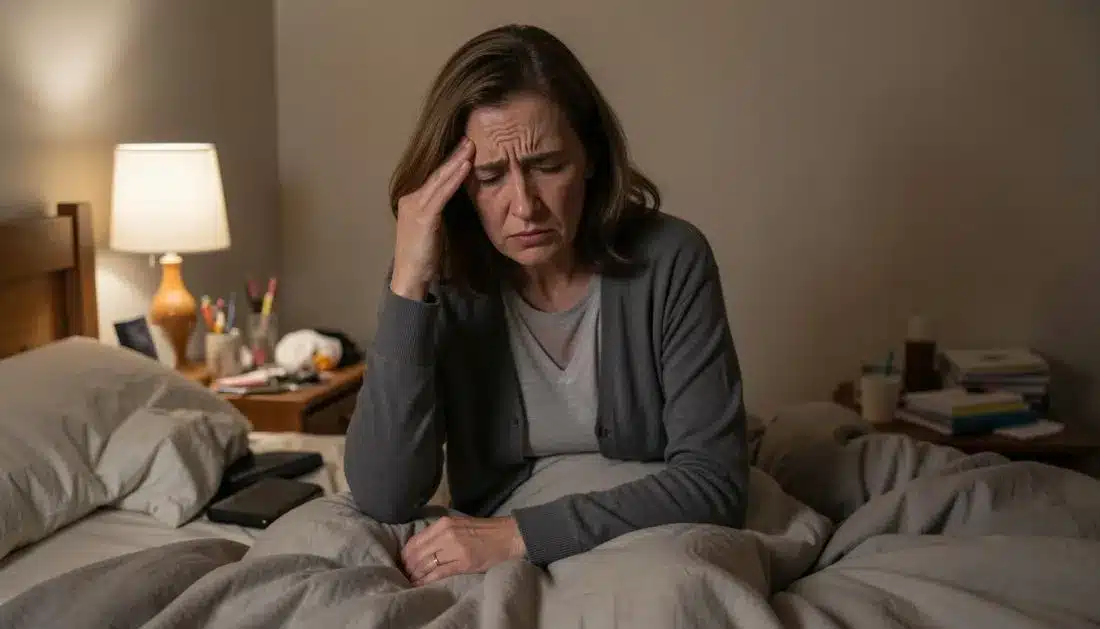

Menopause sleep problems affect millions of women worldwide, with hormonal changes, hot flashes and night sweats often disrupting rest and overall wellbeing.
DUBAI: Why do menopause sleep problems affect so many women, and why are experts increasingly highlighting the issue as a major health concern?
The answer lies largely in the hormonal changes that occur during menopause. As oestrogen levels decline, the body’s ability to regulate temperature becomes more sensitive. This can trigger hot flashes and night sweats, two of the most common symptoms associated with menopause. These sudden waves of heat often occur during the night, waking women repeatedly and making it difficult to achieve deep, restorative sleep.
The scale of menopause sleep problems is significant. Health experts estimate that by 2030, around 1.2 billion women globally will be menopausal or postmenopausal, while approximately 47 million women enter menopause every year. Despite these numbers, menopause remains one of the least discussed aspects of women’s health.
Research shows that sleep disruption is among the most widespread symptoms. According to data from the National Council on Aging, more than 40 per cent of women in perimenopause experience sleep difficulties. Among postmenopausal women, the figure rises to between 52 and 64 per cent.
Additional research involving women who had recently reached menopause found that 94.5 per cent reported difficulty sleeping. Many also experienced symptoms such as forgetfulness, irritability, night sweats and hot flashes, all of which can negatively affect sleep quality and daily life.
So what can women do to improve their sleep during menopause?
Health specialists recommend maintaining a cool sleeping environment, avoiding excessive heat before bedtime, following a consistent sleep schedule and managing stress levels. Increasingly, women are also turning to cooling sleep products designed to regulate body temperature throughout the night.
Innovations such as cooling comforters and moisture-wicking bedding are gaining attention because they help reduce heat build-up and improve comfort during episodes of night sweats. These products are designed to support better sleep without relying on medication.
As awareness grows, experts say menopause sleep problems should be viewed as a genuine health issue rather than an inevitable inconvenience. Better understanding, open discussion and access to practical solutions can help women achieve healthier and more comfortable sleep during this important life transition.