

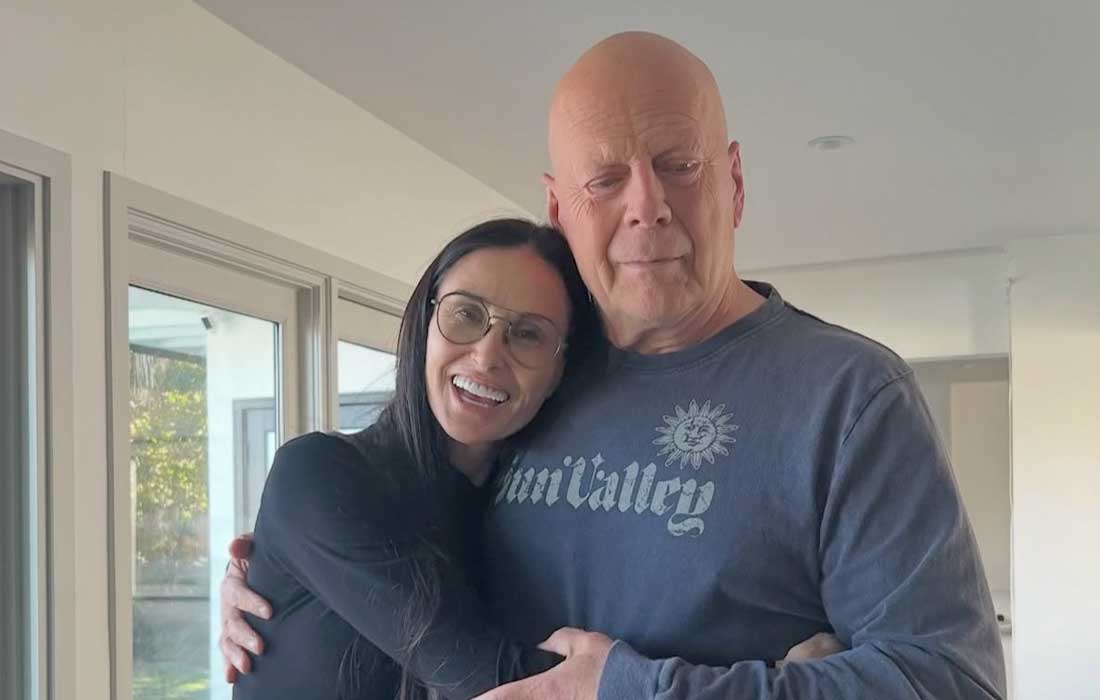

Bruce Willis brain donation highlights a powerful step that could advance dementia research and improve understanding of frontotemporal dementia worldwide.
LOS ANGELES: The family of Bruce Willis is turning a personal battle into a broader mission, supporting research efforts into frontotemporal dementia. The Bruce Willis brain donation decision reflects a commitment to helping scientists better understand the condition that changed the actor’s life.
Best known for roles in Die Hard, Pulp Fiction and The Sixth Sense, Willis stepped away from acting after being diagnosed with frontotemporal dementia, a progressive disorder affecting behaviour, language and cognitive abilities. The disease is considered one of the most complex forms of dementia and often impacts individuals at a younger age.
The Bruce Willis brain donation was also referenced by his wife, Emma Heming Willis, who had earlier spoken about such considerations in her book. She described the decision as emotionally challenging, but one the family believes could make a meaningful difference to future research and treatment.
Medical experts stress that brain donation plays a vital role in studying neurodegenerative diseases. By analysing brain tissue at a cellular level, researchers can gain insights that go beyond scans and clinical observation, improving diagnosis and supporting the development of new therapies.
The Bruce Willis brain donation also builds on the family’s continued efforts to raise awareness about frontotemporal dementia. Compared to Alzheimer’s disease, the condition remains less widely understood, making public awareness and research contributions increasingly important.
By sharing their journey openly, the Willis family has helped highlight the realities faced by patients and caregivers. Their decision offers hope that ongoing research will lead to better understanding, improved treatments and, ultimately, prevention of such conditions.