

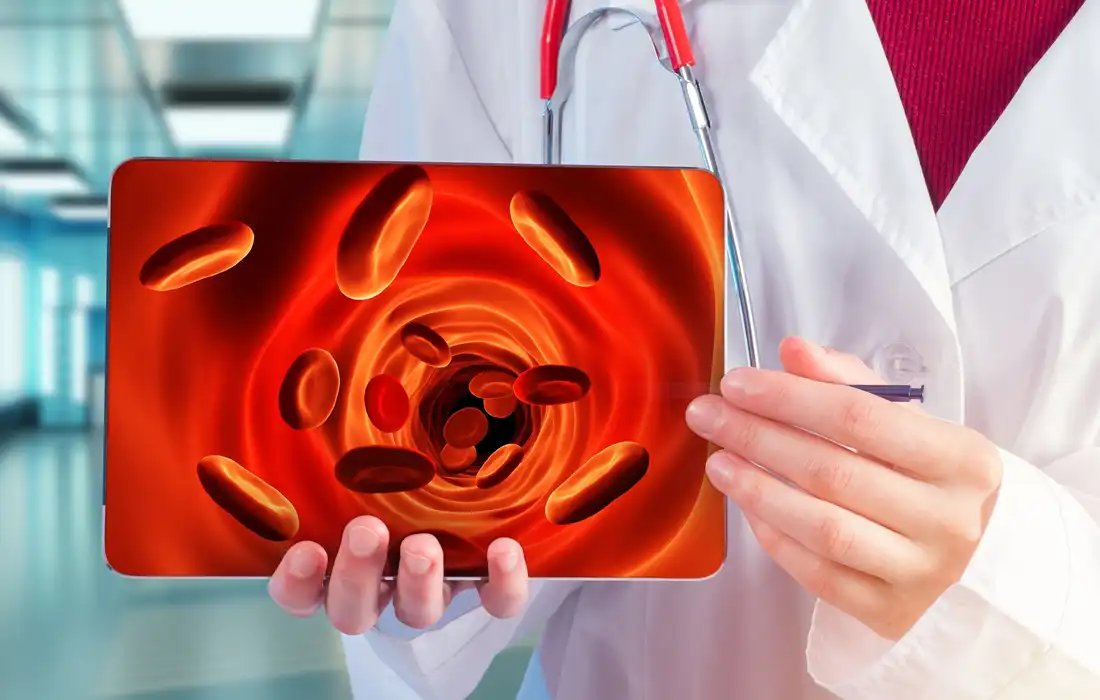

Red blood cells cancer therapy uses mRNA delivery to reprogramme immune cells, offering a faster and less invasive approach to fighting cancer.
HANGZHOU: Red blood cells cancer therapy is emerging as a promising breakthrough, with scientists developing a method to deliver genetic instructions directly into the body to fight tumours. Researchers at the Westlake Laboratory of Life Sciences and Biomedicine have demonstrated a new approach that could transform cancer treatment.
The study, published in Science Translational Medicine, outlines how engineered red blood cells can carry messenger RNA, or mRNA, to reprogramme immune cells. Unlike traditional CAR therapies, which require extracting and modifying a patient’s T cells in a laboratory, this method works entirely داخل the body.
The red blood cells cancer therapy approach uses erythrocytes as delivery vehicles. Scientists attach mRNA-loaded lipid nanoparticles to these cells, allowing them to transport genetic material through the bloodstream. Once delivered, the instructions are absorbed by myeloid cells, which are then reprogrammed to target and destroy cancer cells.
Lead researcher Xiaoqian Nie noted that engineering myeloid cells with chimeric antigen receptors shows strong therapeutic potential. By bypassing complex laboratory procedures, the method could significantly reduce treatment time and cost.
Experts say this innovation represents a major shift in cancer immunotherapy. Instead of weeks-long preparation processes, patients could receive faster, more accessible treatments. The approach also reduces the need for invasive procedures, making it more scalable for wider use.
The red blood cells cancer therapy technique is still in experimental stages, but early findings suggest it could improve how immune systems are harnessed to combat tumours. Further research will determine its safety and effectiveness in clinical settings.
Overall, this development highlights a new frontier in cancer treatment, where the body’s own cells are used as delivery systems to fight disease more efficiently.