

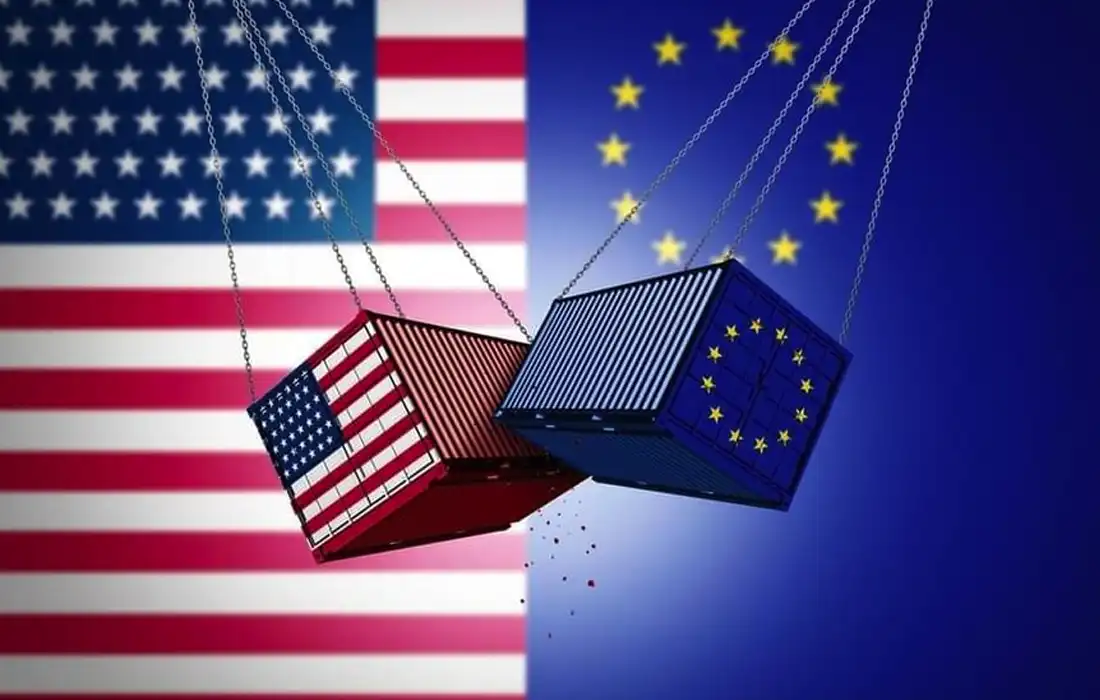

The EU tariff commitments with the United States have been formally approved, reducing duties on selected goods while strengthening trade safeguards.
BRUSSELS: The EU tariff commitments with the United States have been formally approved by the Council of the European Union, marking another step in implementing the joint trade agreement announced by both sides on 21 August 2025. The new regulations are designed to deepen transatlantic trade while protecting European industries through strengthened safeguard measures.
Under the agreement, the European Union will eliminate the remaining customs duties on US industrial goods. It will also expand preferential market access for selected seafood products and non-sensitive agricultural goods through tariff-rate quotas and targeted tariff reductions. In addition, the regulations extend the suspension of customs duties on lobster imports, including processed lobster products.
The Council said the package supports a balanced and open trading relationship with the United States while maintaining the ability to respond if market conditions threaten European producers. The regulations include enhanced safeguard mechanisms that allow the European Commission to intervene quickly in the event of significant import surges that could negatively affect domestic industries.
The new framework also includes provisions allowing the European Union to suspend tariff preferences if the United States fails to fulfil its obligations or introduces discriminatory trade measures. Officials said these protections are intended to ensure fairness and preserve the integrity of the agreement throughout its implementation.
The EU tariff commitments will take effect immediately after publication in the Official Journal of the European Union. The main provisions will remain in force until the end of 2029, with a formal review scheduled before then to assess their effectiveness and economic impact. European officials said the agreement reflects the bloc’s commitment to maintaining strong international trade partnerships while safeguarding its strategic economic interests. The EU tariff commitments are expected to support stable transatlantic commerce and improve market access for businesses on both sides.