
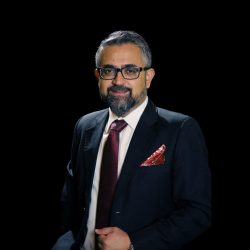
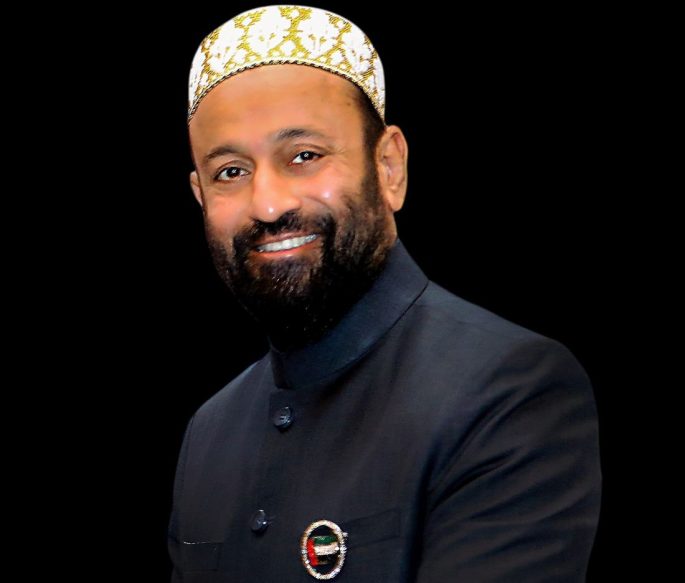
Dr Mustafa Saasa Chairman – Building Material Business Group (Dubai Chambers) shares insights with The Brew News managing editor, Shaneer N Siddiqui on Dubai’s stability, green construction growth, AI adoption and the future of Indian businesses in the UAE.
The Brew News: With global uncertainty continuing, why does Dubai remain a safe haven for investors?
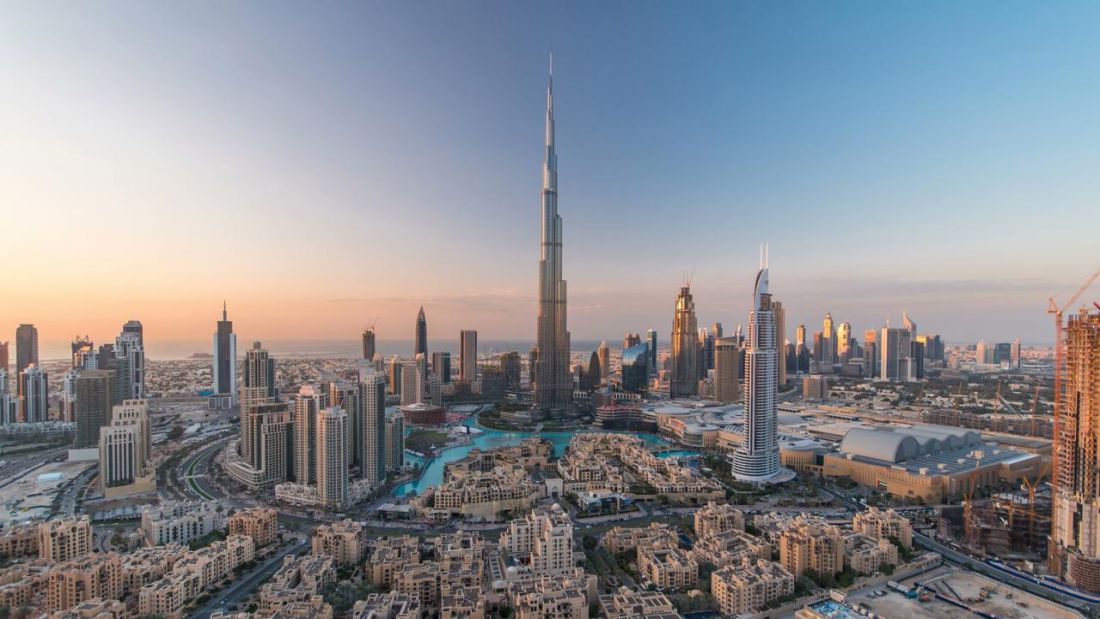
Dr Saasa: “We are based in Dubai since 1958. Having been in business here more than 67 years, I’ve seen Dubai weather every storm, from regional conflicts to global recessions. The reason Dubai remains stable and a top choice for international investors comes down to three pillars I have witnessed firsthand.
First is visionary leadership and consistent policy. The rulers of Dubai have never governed for the short term. Every decade, there’s a clear plan, whether it was ports and trade in the 1970s, real estate and tourism in the 2000s, or technology and sustainability today. As businessmen, we know the rules will not change overnight, and that predictability is priceless.
Second is economic diversification. Dubai deliberately built aviation, logistics, finance, tourism and now the digital economy. So when one sector slows globally, another carries the weight. During COVID, cargo kept flying even when tourism slowed.
Third is trust, safety and rule of law. Investors need confidence that contracts mean something. Dubai’s legal framework, free zones and commercial courts create that confidence. Add physical safety, political neutrality and world-class infrastructure, and you understand why capital flows here during uncertain times.”
The Brew News: What practical advantages are Dubai Chamber and Dubai Economy & Tourism offering Indian entrepreneurs today?
Dr Saasa: “The difference today is that the government is not just allowing businesses to come, they are rolling out the red carpet. For Indian entrepreneurs, the most practical advantage is 100 percent ownership in mainland businesses. You control your business fully, which is important for family-owned companies.
The second major advantage is speed. Through Invest in Dubai, an instant licence can be issued in as little as 15 minutes. Even complex mainland licences now take only a few days. Time is money, and Dubai respects both.
Dubai Chamber is also creating direct access through trade missions, policy dialogues and business matchmaking. Indian firms now rank first among foreign businesses in Dubai. Entrepreneurs also benefit from free zones, tax exemptions, easy visa systems and access to banking. Today, an Indian entrepreneur lands with a business plan, and Dubai gives him ownership, speed, low tax and access to global markets.”
The Brew News: How are market trends changing in the UAE construction and building materials sector?
Dr Saasa: “In 1958, we sold what we had. In 2026, we sell what clients must prove. The market is not just bigger, it is smarter.
The first major shift is that green building is now mandatory. Every major tender asks for Estidama or LEED compliance and carbon data. Low-carbon concrete, insulated panels and certified materials are no longer alternatives, they are requirements.
Second, demand is steady instead of unpredictable. Mega-projects and strong population growth are keeping construction activity stable. Contractors are now choosing reliable suppliers rather than panic-buying.
Third, buyers want speed and performance. Developers prioritise materials that install quickly and reduce operating costs. Time to occupancy matters more than simply choosing the cheapest price.”
The Brew News: How is artificial intelligence changing traditional businesses in the Gulf?
Dr Saasa: “Digital is the new paperwork. Clients and authorities now require structured data, audit trails and real-time records. PDF reports are dead. If you cannot feed their platform with real-time data, you do not bid.
AI works best when it is specific. Forget the hype. What works is precision, AI for demand forecasting, truck routing, invoice reconciliation and quality checks.
The biggest change is that the jobsite now drives technology adoption. Site managers and procurement teams are leading the transformation, not only IT departments. Businesses are saving significant hours every week while also improving ESG reporting and operational efficiency.”
The Brew News: Dubai is witnessing another major construction boom. How is this affecting the building materials sector?
Dr Saasa: “In 1958, a construction boom meant sand and cement. In 2026, it means certified, traceable systems running on digital schedules. The demand is massive for companies that can meet the standards.
This boom is bigger and smarter. Demand is structural because Dubai continues growing through property expansion and population growth. At the same time, project specifications are becoming tougher. Developers now require low-carbon cement, certified steel and fully traceable materials.
Supply today is about reliability, not just price. Contractors want suppliers who can guarantee quality, documentation and on-time delivery.”
The Brew News: How is the industry adapting to sustainability and green building requirements?
Dr Saasa: “The green push is not a trend anymore. In 2026, green is not optional, it is the gatekeeper.
When we started in 1958, green meant the colour of paint. Today, it means lower energy bills, faster approvals and access to capital.
Every major project now demands recycled content certificates, low-carbon specifications and sustainability documentation. We have shifted toward recycled aggregates, solar-reflective glass and certified timber.
Codes like Estidama and LEED are now built into project approvals. Developers want stronger energy ratings because tenants and banks also demand them. Sustainability is no longer an upgrade. It is becoming the industry standard.”
The Brew News: How is Dubai protecting the construction industry from global supply chain disruptions?
Dr Saasa: “Global shipping makes headlines. Dubai answers with strategy. Earlier, we waited for ships. In 2026, we are the hub.
More than 60 percent of core materials such as cement, rebar and glass are now produced within the UAE and GCC region. Free-zone factories and industrial cities have reduced long import timelines dramatically.
Jebel Ali Port, Dubai World Central and Etihad Rail also give Dubai flexibility. When one route slows, Dubai reroutes quickly through another. Companies are also using AI forecasting and long-term supply agreements to stabilise pricing and availability.”
The Brew News: Where do you see the Indian business community in Dubai over the next decade?
Dr Saasa: “By 2035, Indian businesses will not just be part of Dubai’s story, they will help write the next chapter of its legacy.
Indian-led companies will move from being market players to market makers. They will operate data centres, green steel plants and AI logistics hubs that support Dubai’s future economy.
We will also move from vendors to vision partners. Indian businesses will co-invest in airports, hydrogen projects, ports and smart cities. The next generation will bring stronger governance, ESG standards and public listings while maintaining the traditional values of trust and delivery.”
The Brew News: What is your single most important advice for professionals and entrepreneurs starting in the UAE?
Dr Saasa: “Earn trust before you chase revenue.
Dubai rewards speed, but it remembers reliability. In 67 years, I have seen empires built on a handshake and lost because of one missed delivery.
Know the rules, choose the right licence and understand your costs, but none of that matters if your name means nothing. Show up early. Deliver what you promised. Pay on time. Solve problems before they reach the client.
In Dubai, capital gets you started. Trust keeps you here.”