

A breakthrough US-Iran peace agreement has been announced by Pakistani Prime Minister Shehbaz Sharif and confirmed by US President Donald Trump. The deal is expected to end military operations, reopen the Strait of Hormuz and remove the US naval blockade, potentially easing tensions across the Middle East and restoring stability to global energy markets.
ISLAMABAD: What does the newly announced US-Iran peace agreement mean for the Middle East and the wider world?
That question gained global attention after Pakistani Prime Minister Shehbaz Sharif announced that a US-Iran peace agreement had been reached following intensive negotiations between Washington and Tehran.
In a statement posted on X, Sharif said both countries had agreed to the immediate and permanent termination of military operations on all fronts, including Lebanon. He added that the official signing ceremony is scheduled to take place in Switzerland on 19 June, with mediators expected to facilitate additional meetings in the days that follow.
The announcement marks a significant diplomatic development after months of heightened tensions that raised concerns about regional security, global trade routes and energy supplies.
The US-Iran peace agreement was also confirmed by US President Donald Trump, who described the deal as complete. In a post on Truth Social, Trump congratulated all parties involved and announced two major measures that could have immediate international impact.
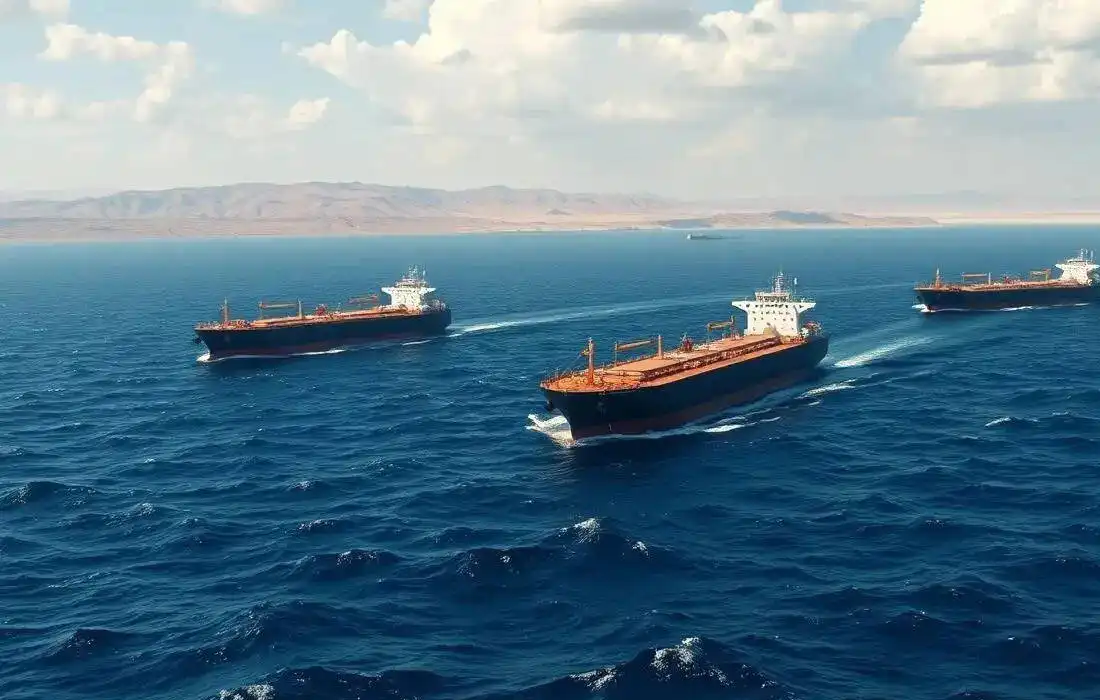
The first is the reopening of the Strait of Hormuz, one of the world’s most important maritime passages. The second is the immediate removal of the United States naval blockade that had restricted movement in the region.
The Strait of Hormuz carries a substantial share of global oil and gas shipments. Any disruption to traffic through the narrow waterway often affects international energy prices, shipping costs and supply chains. The reopening of the route is therefore likely to be welcomed by governments, shipping companies and financial markets worldwide.
Analysts say the US-Iran peace agreement could help reduce uncertainty across the Gulf region, particularly for countries that rely heavily on stable maritime trade. The announcement may also improve investor confidence as businesses monitor developments affecting energy exports and regional commerce.
While the agreement has generated optimism, observers note that the implementation phase will be crucial. Diplomatic agreements often require follow-up mechanisms, verification measures and continued dialogue to ensure commitments are honoured by all parties.
The planned signing ceremony in Switzerland is expected to provide further details regarding timelines, security arrangements and future diplomatic engagement between the United States and Iran. Mediators are also expected to oversee discussions aimed at maintaining long-term stability and preventing future escalation.
For now, the US-Iran peace agreement represents one of the most significant diplomatic breakthroughs in the region this year. If successfully implemented, it could reduce military tensions, restore confidence in critical shipping routes and create new opportunities for dialogue across the Middle East.
Global attention will now turn to Switzerland, where leaders and mediators are expected to formalise an agreement that could reshape regional dynamics and influence international trade in the months ahead.