

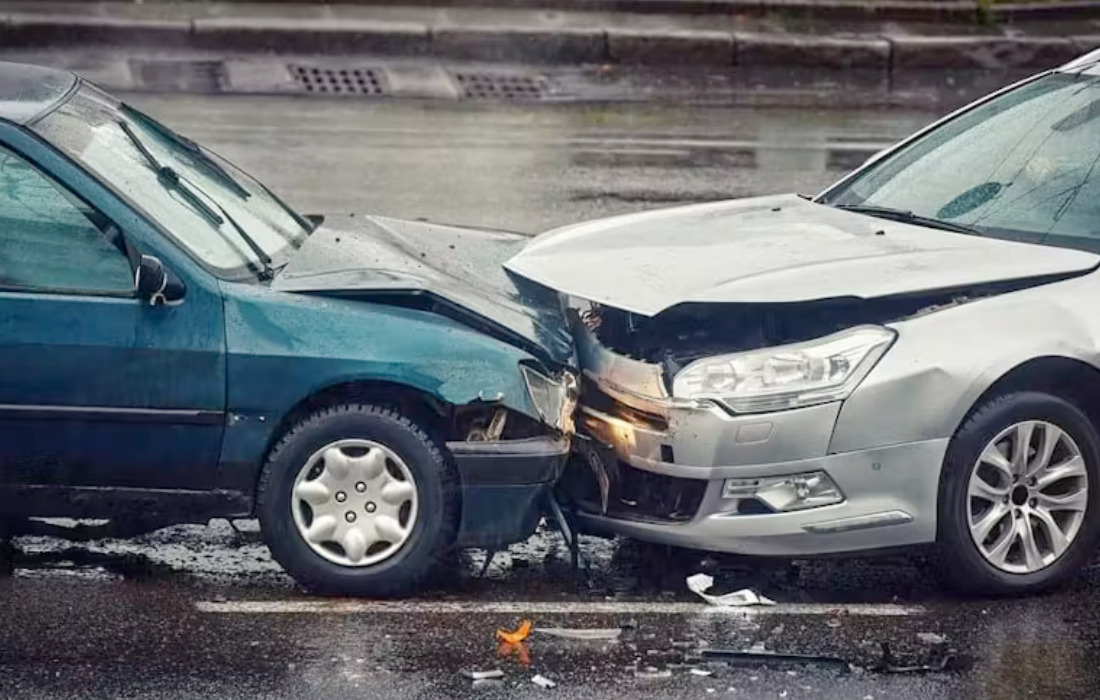

UN calls on countries to honour their pledge to halve global road traffic deaths by 2030, especially among youth.
GENEVA: The United Nations has renewed its call for urgent action from governments worldwide to meet their commitment of reducing global road deaths by half by 2030, warning that the toll from traffic accidents continues to rise—particularly in low- and middle-income nations. The appeal comes on the occasion of the World Day of Remembrance for Road Traffic Victims, observed annually on the third Sunday of November.
Currently, road accidents claim 1.2 million lives each year and leave more than 50 million people injured or disabled. Road safety pledge 2030 is now a critical global agenda item as road crashes have become the leading cause of death for children and young people.
“Nine out of 10 road-crash deaths occur in low- and middle-income countries. A full third of victims are children and young people,” said António Guterres, Secretary-General of the United Nations. He emphasised the importance of turning remembrance into tangible action under this year’s theme: Remember. Support. Act.
Solutions are within reach, he said, highlighting the importance of improved infrastructure, better road laws, effective enforcement, and enhanced public awareness. He praised the impact of initiatives like the UN Road Safety Conventions, the Road Safety Fund, and the UN Special Envoy for Road Safety, which have helped 94 countries save lives through various safety programmes.
Earlier this year, during the Global Ministerial Conference on Road Safety, governments reaffirmed their pledge to cut traffic fatalities in half by the end of this decade. Guterres urged nations to build on these commitments, stating, “Together, we can turn remembrance into action — and help to ensure that every journey ends safely.”
The UN’s renewed focus on road safety pledge 2030 aims to drive cross-border collaboration, promote data-driven policymaking, and accelerate innovation in vehicle and pedestrian safety standards. With over a million lives at stake each year, the call to act is more pressing than ever.