

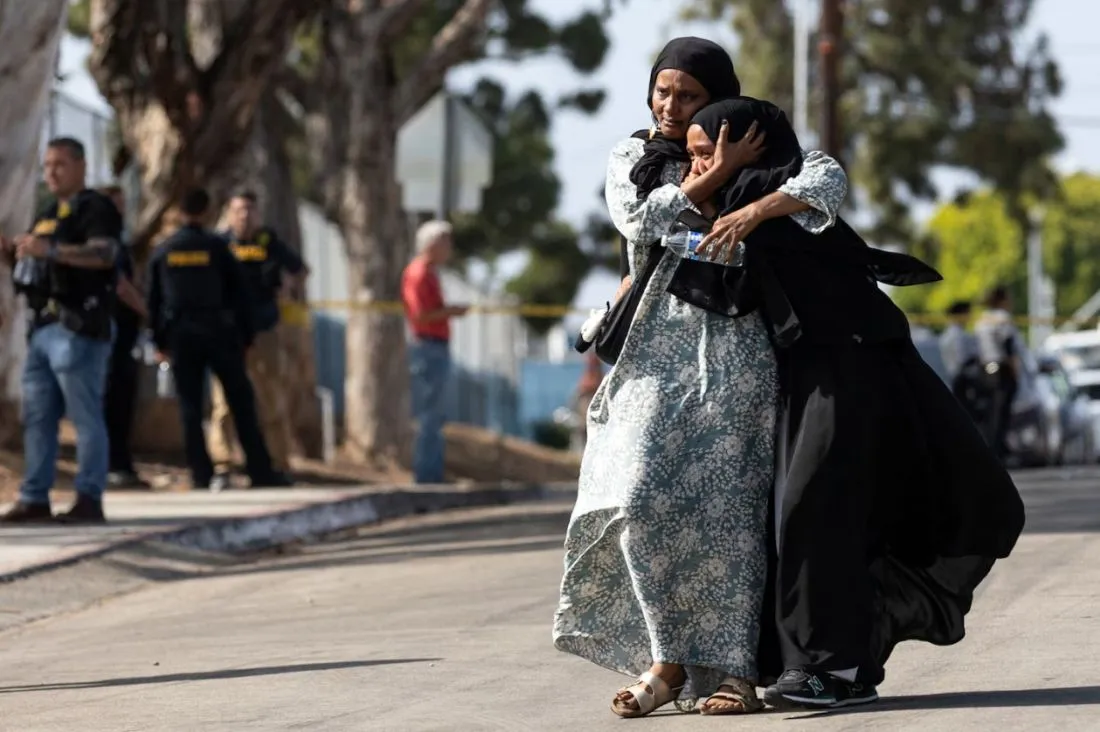

The UN strongly denounced the San Diego mosque attack, calling for greater protection of worshippers and stronger action against religious hatred.
NEW YORK: The United Nations has condemned the San Diego mosque attack after three people, including a security guard, were killed at the largest mosque in California’s San Diego area during one of the holiest periods in the Islamic calendar.
Miguel Ángel Moratinos, the UN High Representative for the Alliance of Civilisations and Special Envoy to Combat Islamophobia, described the incident as a “horrific attack” and expressed solidarity with Muslims worldwide. In an official statement released on 19th May, he said the tragedy had caused deep pain because it happened at the beginning of Dhul-Hijjah, the sacred Islamic period leading to Eid al-Adha.
Moratinos stressed that places of worship must remain peaceful sanctuaries open to all communities. He added that attacks on worshippers threaten social harmony and weaken the principles of coexistence and shared humanity. The UN official also extended condolences to the families of those killed and wished recovery for anyone injured during the violence.
The San Diego mosque attack has renewed international concern over rising religious intolerance and hate-driven violence targeting minority communities. Advocacy groups in the United States have called for increased security measures around mosques and religious centres, especially during important religious occasions when attendance is significantly higher.
Moratinos urged governments, institutions and communities to strengthen efforts promoting tolerance, coexistence and mutual respect. He also called for united action against extremism, hatred and all forms of religious discrimination.
Community leaders in California said the mosque would continue its activities despite the tragedy, while local authorities have launched an investigation into the circumstances surrounding the killings. The San Diego mosque attack has also sparked wider discussions on faith-based security and the need for stronger protections for vulnerable communities across the country.