
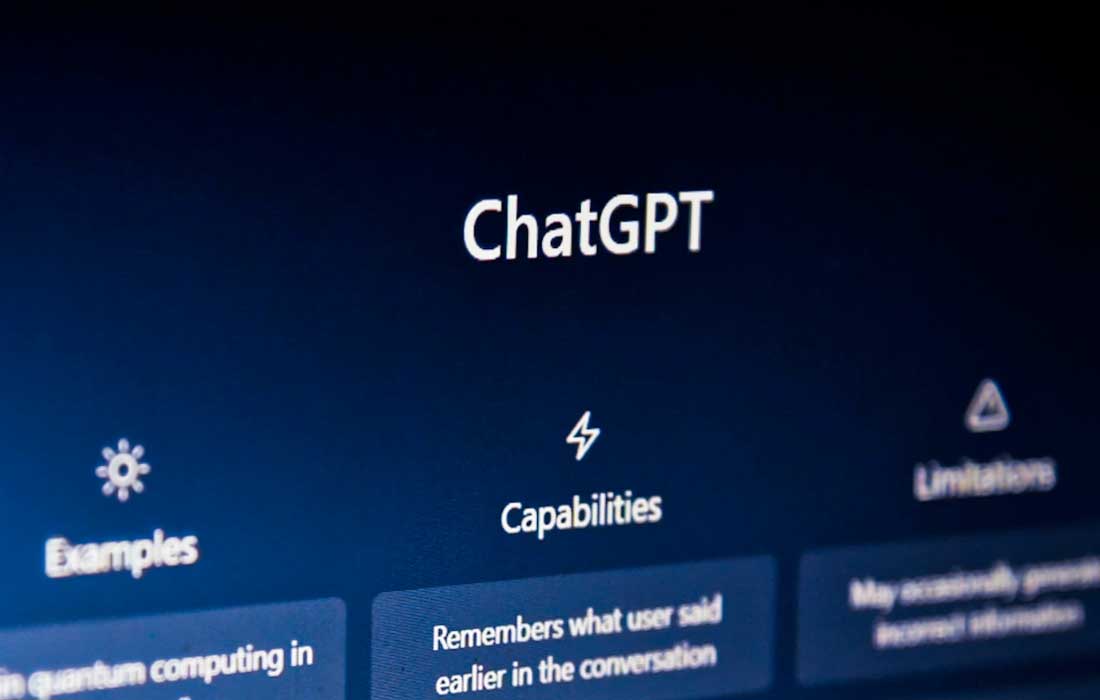

OpenAI will launch a ChatGPT version tailored for teenagers, with parental controls, blackout hours, and safety guardrails to address growing concerns over youth mental health and AI risks.
SAN FRANCISCO: OpenAI has revealed plans to release a new version of ChatGPT specifically designed for teenagers, aiming to improve safety while still offering young users access to artificial intelligence. The move comes as regulators and parents call for stronger safeguards around the impact of AI chatbots on children and teens.
The dedicated teen-focused ChatGPT will include a range of protective features. These will allow parents to link accounts, manage chat access, restrict memory and history settings, and enforce blackout hours when the system cannot be used. Parents will also receive alerts if the platform detects warning signs of acute emotional distress.
OpenAI CEO Sam Altman acknowledged the challenges of balancing safety, privacy, and freedom. “We prioritise safety ahead of privacy and freedom for teens,” he wrote in a company blog post, stressing that AI remains a powerful tool that requires careful boundaries for minors.
Among the safeguards, the teen version of ChatGPT will avoid flirtatious interactions and will not respond to prompts about suicide or self-harm, even in fictional or creative scenarios. If such cases arise, the system will attempt to alert parents and, where necessary, notify relevant authorities.
The announcement coincides with rising scrutiny from US regulators and lawmakers. The Federal Trade Commission is investigating major tech firms, including OpenAI, on how they protect underage users. Meanwhile, the US Senate is set to hold a hearing on AI’s risks for teenagers, led by a bipartisan group of senators.
Industry experts, however, remain cautious. While OpenAI’s system is designed to automatically shift uncertain cases into the teen-specific version, critics note that tech-savvy youngsters often find ways around restrictions. Parents’ central role in monitoring may also present practical challenges.
OpenAI has committed to introducing stronger safeguards for minors by the end of the year, reflecting growing pressure from lawsuits and regulatory inquiries into the safety of digital platforms. As Altman explained, “This is a new and powerful technology, and we believe minors need significant protection.”