


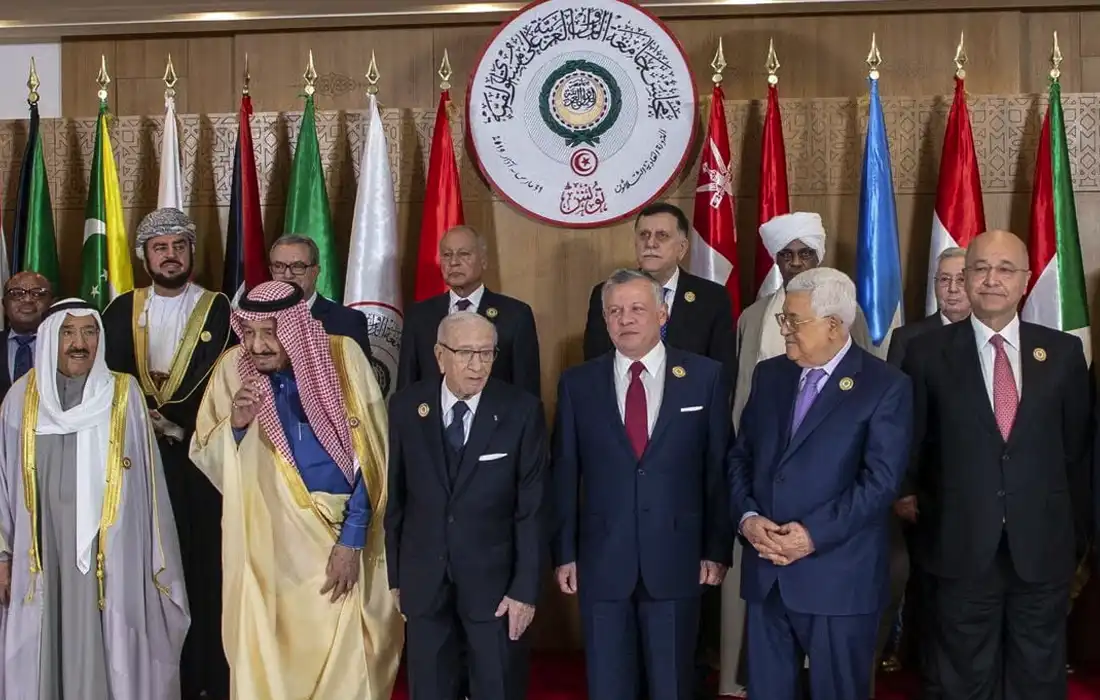

The Arab League Iran warning says continued escalation threatens regional security and could widen the conflict, calling for immediate restraint and political negotiations.
CAIRO: The Arab League has warned that continued Iranian escalation across the Middle East could directly threaten regional security and push the conflict into a more dangerous phase. In a statement issued on September 2, 2026, the organisation condemned renewed attacks on several Arab countries and said further military action could make an already tense situation harder to contain. The Arab League Iran warning also stressed the need to respect the sovereignty and territorial integrity of countries across the region.
The Arab League General Secretariat said the latest attacks undermine efforts to calm tensions and find a political way forward. It called for an immediate halt to aggression and urged all sides to show maximum restraint. The organisation also made clear that dialogue and negotiations should return to the centre of efforts to restore stability. Its message comes at a sensitive time, with governments across the region trying to prevent another round of attacks from pulling more countries into the conflict.
Also read: Arab League condemns latest Israeli strikes on Gaza amid ceasefire concerns
The concern is not limited to the countries directly affected. Any wider escalation could have consequences across the Gulf and the broader Middle East. Regional air travel, shipping routes, energy supplies, businesses and financial markets can all feel the effects when security conditions change quickly. The Strait of Hormuz is particularly important because it is one of the world’s key routes for oil and gas shipments, meaning disruption in the area can have an impact far beyond the Middle East.
The Arab League Iran warning also adds to growing diplomatic calls for restraint from countries seeking to prevent the situation from becoming a larger regional crisis. Arab governments have repeatedly stressed the importance of protecting national sovereignty while keeping diplomatic channels open. For residents across the Gulf, the immediate focus will be on whether the latest tensions begin to ease or lead to further military action in the coming days.
Also read: Arab League says regional conflicts threaten human capital and development progress
The wider message from the League is that more attacks are unlikely to bring lasting stability. Instead, continued escalation could make political solutions harder and increase the economic and security pressure on countries across the region. Returning to negotiations could offer a way to reduce tensions while allowing governments to address security concerns without further expanding the conflict.
The Arab League Iran warning therefore puts the focus firmly on restraint. Its call is for attacks to stop, sovereignty to be respected and political negotiations to resume before the situation becomes more difficult to control.
Impact to expect
The warning could increase diplomatic pressure for an immediate reduction in military activity. If tensions ease, it could also reduce uncertainty around Gulf travel, shipping, energy markets and regional business activity.