

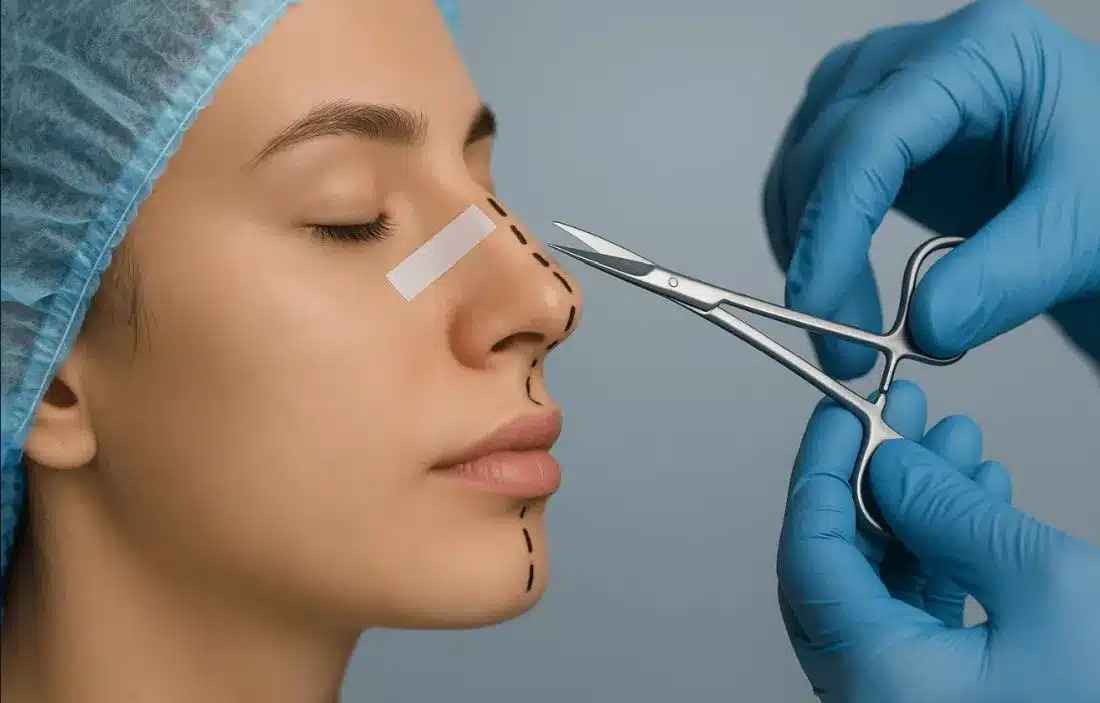

Revision rhinoplasty is becoming increasingly common across the GCC as more patients seek natural-looking results, improved breathing and corrective surgery after earlier procedures.
DUBAI: Revision rhinoplasty GCC demand is growing as patients across the UAE and neighbouring Gulf countries increasingly seek corrective nasal surgery following unsatisfactory outcomes from previous procedures. Medical specialists report that a combination of aesthetic concerns and breathing difficulties is driving more people to explore secondary surgery options.
The trend comes as the region’s cosmetic surgery market continues to expand. While rhinoplasty remains one of the most popular facial procedures, experts note that a percentage of patients eventually pursue revision surgery to address functional complications, structural issues or results that no longer match their expectations.
A major factor behind the increase is changing patient preferences. Earlier cosmetic trends often favoured dramatic reductions in nasal size and highly sculpted profiles. Today, many GCC residents are seeking outcomes that preserve facial identity, maintain ethnic features and support long-term nasal function.
“A decade ago, many patients walked in asking simply for a smaller nose,” said Dr. Hatem Dalati, ENT Consultant and Founder of the ENT Clinic of Excellence in Dubai. “Now a growing number of patients from the UAE and the wider GCC come back after earlier surgeries with breathing problems, structural weakness, or a sense that their face no longer looks like their family’s face. They want a nose that looks natural, respects their identity, and lets them breathe properly again.”
Specialists say Middle Eastern nasal anatomy requires a different surgical approach compared with techniques historically developed for thinner-skinned patients. Features such as thicker skin, wider nasal bases and softer cartilage structures often require reinforcement rather than aggressive reduction. When excessive tissue removal occurs, long-term complications can include nasal collapse, tip drooping and breathing difficulties.
As a result, Revision rhinoplasty GCC procedures increasingly focus on restoring structural support while improving both appearance and airflow. Many patients seeking corrective surgery report a combination of cosmetic dissatisfaction and chronic nasal obstruction rather than aesthetic concerns alone.
Surgeons describe revision procedures as significantly more complex than primary rhinoplasty because they involve scar tissue, altered anatomy and limited cartilage reserves. In some cases, cartilage from the ear or rib is required to rebuild support and restore normal nasal function.
With growing awareness of these challenges, Revision rhinoplasty GCC consultations are rising, particularly in Dubai, where patients from across the region are seeking specialist assessments, second opinions and advanced corrective procedures that prioritise natural, lasting results.