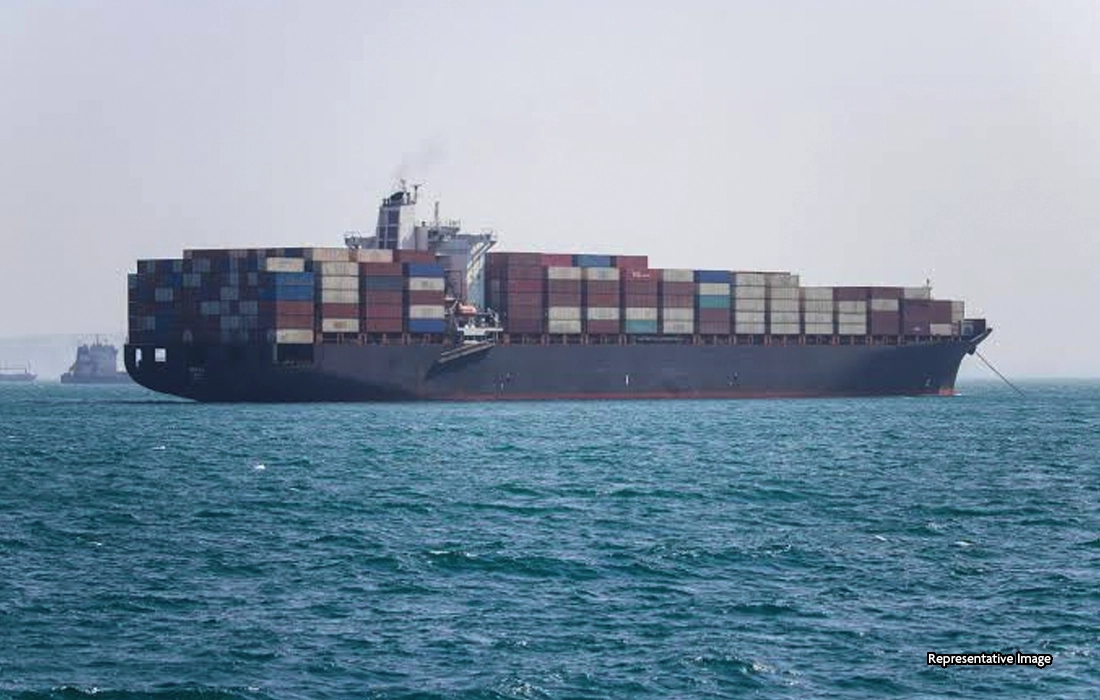

Two ADNOC vessels were attacked while transiting the Strait of Hormuz on August 13, with no injuries reported and both situations brought under control.
ABU DHABI: Two ADNOC vessels were attacked while transiting the Strait of Hormuz on Thursday evening, August 13, with no injuries reported, as concerns continue over maritime security along one of the world’s most important energy routes.
ADNOC confirmed that two of its vessels were attacked while transiting the Strait of Hormuz in the evening of Thursday, August 13. The incident resulted in no injuries, and the situation has been brought under control.
Also read: Trump’s secret Turkey escape in catering truck after Iran threat
In a statement, ADNOC stressed the importance of protecting the safety and well-being of seafarers, while safeguarding freedom of navigation and maritime security.
The company urged the public to obtain information solely from official sources and to avoid circulating rumors or unverified information.
The United Arab Emirates has strongly condemned and denounced the hostile Iranian attack that targeted two vessels affiliated with ADNOC as they transited the Strait of Hormuz, with no injuries reported.
Also read: Lebanon abolishes death penalty: What historic Parliament vote changes now
In a statement, the Ministry of Foreign Affairs (MoFA) underscored that this attack constitutes a flagrant violation of UN Security Council resolution 2817, which affirmed the importance of freedom of navigation, and rejected the targeting of commercial vessels or the obstruction of international maritime routes. The Ministry emphasised that targeting commercial shipping and using the Strait of Hormuz as a tool of economic coercion or blackmail represents acts of piracy by Iran’s Revolutionary Guard Corps, and constitutes a direct threat to the stability of the region, its peoples, and global energy security.
News Impact
The incidents could increase scrutiny of maritime security in the Strait of Hormuz and raise risk concerns for commercial shipping. Continued disruption could also affect shipping decisions, insurance costs and global energy markets because of the waterway’s importance to international oil and gas flows.