
Beijing will open the Jiangjunguan Great Wall section in Pinggu District by late 2026, blending heritage preservation with cultural tourism development.
BEIJING: Authorities in China have announced plans to open the historic Jiangjunguan section of the Great Wall to the public by the end of 2026, marking a significant step in preserving and promoting cultural heritage through tourism.
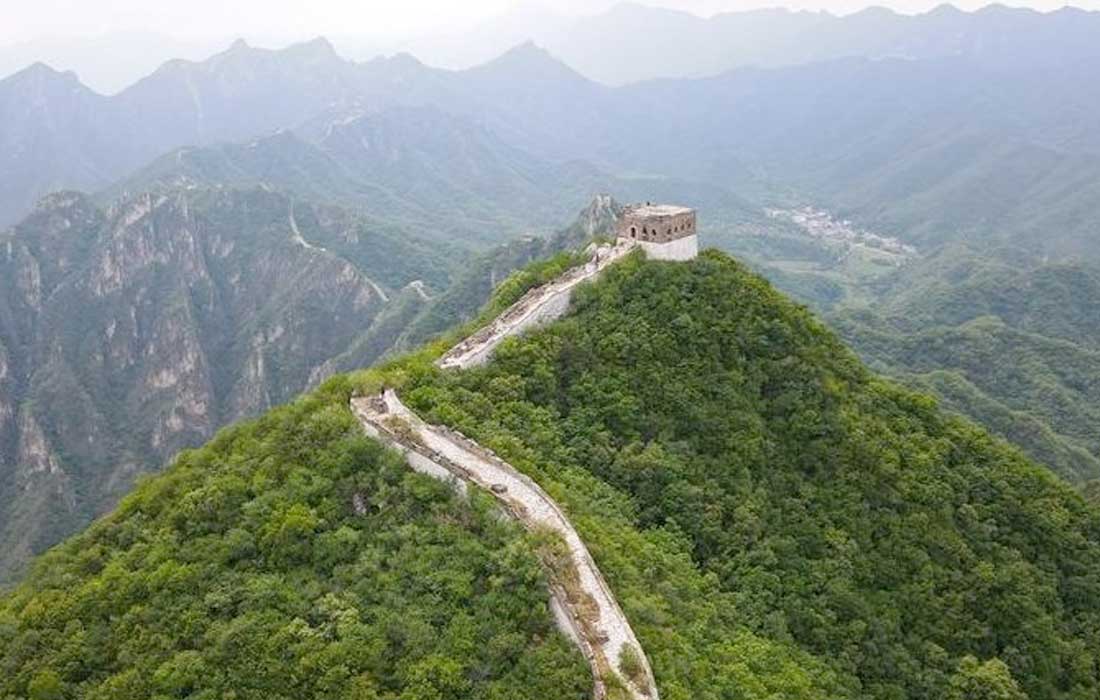
Located in Pinggu District, Jiangjunguan was a strategic military gateway on the eastern end of the Ming Dynasty Great Wall within Beijing. Restoration works, environmental enhancements, and safety reinforcements are currently underway to prepare the site for visitors, according to the Beijing Municipal Cultural Heritage Bureau.
The Great Wall in Beijing spans more than 500 kilometres and crosses multiple districts. Pinggu alone holds over 200 heritage sites along 50 kilometres of the ancient wall, making it a culturally rich region with immense tourism potential.
The Jiangjunguan pass once served as a heavily contested thoroughfare of high military importance. While closed for years, the site has recently undergone careful preparation, including weed removal and gravel path construction, with efforts focused on retaining its original character.
Shi Qiang, deputy head of Pinggu’s cultural relics bureau, noted that work has been guided by a principle of preservation-first, ensuring that historical features remain intact while improving accessibility.
Bi Jianyu, from the Beijing Municipal Cultural Heritage Bureau, emphasised that opening preserved sections of the Great Wall for public visits is a meaningful way to inherit and share China’s cultural legacy. He added that cultural-tourism integration at similar sites — including educational tours and evening light experiences — has successfully transformed historic assets into developmental advantages.
The opening of Jiangjunguan is expected to boost regional tourism, foster cultural appreciation, and encourage more heritage-led urban and rural development in Pinggu and beyond.