

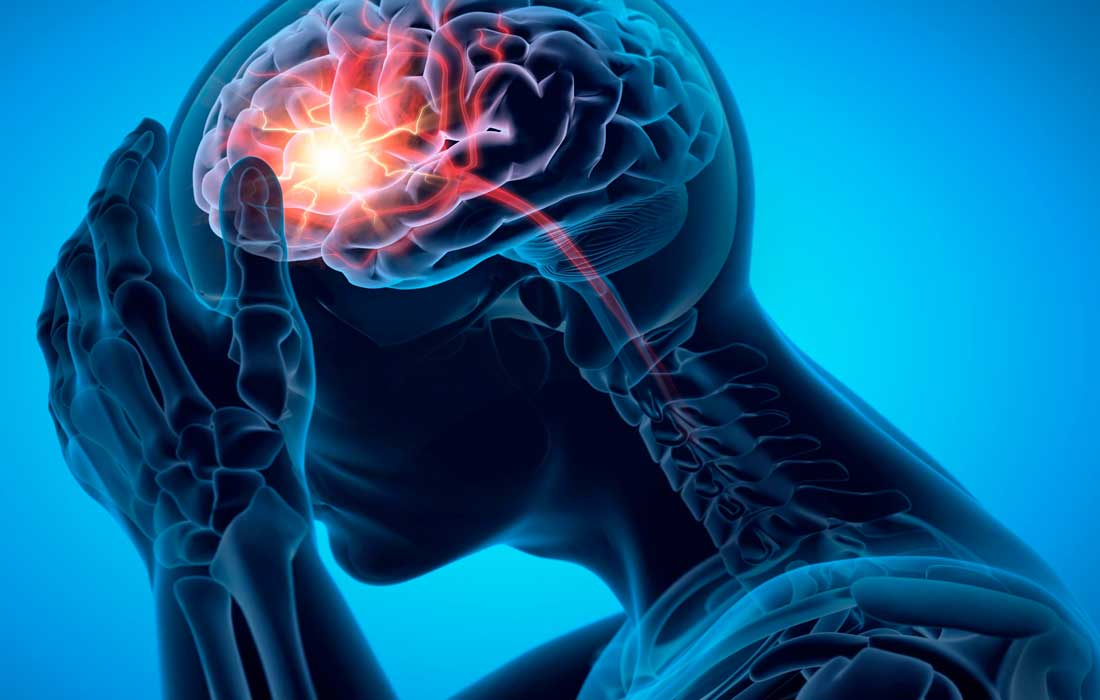

New research shows that transplanting neural stem cells one week post-stroke may support brain repair and restore motor skills.
LOS ANGELES: A new experimental approach using stem cell therapy may offer fresh hope for patients recovering from strokes. Researchers from the Keck School of Medicine of the University of Southern California, along with collaborators from the University of Zurich and ETH Zurich, have found that stem cell therapy may transform long-term stroke recovery outcomes in preclinical models.
The study, published in Nature Communications, involved reprogramming human blood cells into neural stem cells, capable of becoming functioning neurons. These cells were transplanted into brain tissue of mice one week after they had experienced an ischaemic stroke — a scenario that mimics delayed treatment in humans.
Remarkably, the treated mice showed stronger blood vessels, reduced inflammation, better neural connectivity, and a more intact blood-brain barrier. Most notably, the stem cells had matured into GABAergic neurons — cells known for aiding stroke recovery by moderating brain cell activity. The mice that received the stem cell therapy also regained fine motor skills and demonstrated significantly improved walking patterns.
By contrast, untreated mice showed limited recovery and ongoing neurological deficits. Researchers found that the therapy led to a substantial reduction in damaging inflammation and restored the balance of key neural chemicals essential for brain healing.
According to Dr. Ruslan Rust, Assistant Professor of Research Physiology and Neuroscience at the Keck School of Medicine, the innovation is crucial because many stroke patients miss the narrow window for emergency treatment. The stem cell therapy may transform long-term stroke recovery outcomes by offering a second chance at healing — especially for those with long-standing damage.
The team is now studying the long-term results and working on methods to further enhance neural regeneration, aiming to develop this promising treatment for future clinical use in humans.