



Indian PM Narendra Modi’s UAE visit reflects the deepening strategic, economic and people-focused partnership between the two nations.
Prime Minister Narendra Modi’s visit to the UAE this week comes at a defining moment for one of the world’s most dynamic and future-oriented bilateral relationships. What began decades ago through trade, migration, and people-to-people ties has evolved into a partnership with strategic depth, institutional maturity, and a shared vision that extends far beyond economics.
The India-UAE relationship today is not merely transactional. It is deeply human, increasingly strategic, and fundamentally long term. For millions of Indians who have built their lives in the Emirates, the UAE represents far more than opportunity. It is home. Over the years, the Indian community has contributed significantly to the UAE’s growth story across business, healthcare, education, hospitality, infrastructure, and entrepreneurship. In return, the UAE has created an environment defined by safety, stability, inclusion, and aspiration. Few countries in the world have nurtured such a strong expatriate success story with the same openness and mutual respect.
That foundation of trust is now shaping a far more ambitious partnership. At a time when the global economy is navigating uncertainty, supply chain realignment, and geopolitical fragmentation, India and the UAE are increasingly positioning themselves as reliable partners capable of connecting regions, markets, and communities. This is evident in the pace and breadth of cooperation witnessed over the last several years.
The Comprehensive Economic Partnership Agreement (CEPA) has already transformed the bilateral economic landscape, accelerating momentum toward the ambitious $200 billion trade target and opening new pathways for investment and enterprise. Yet many within the business community now see the next chapter as a “CEPA 2.0” moment, one that focuses less on signing agreements and more on unlocking capabilities.
Recent UIBC-UC policy discussions and implementation studies on CEPA have highlighted the importance of improving utilisation, simplifying regulatory pathways, and expanding access for MSMEs and emerging businesses. The real success of CEPA will ultimately be measured not only by trade volumes, but by how effectively businesses on the ground can participate in this expanding corridor.
What makes this partnership particularly unique is that it increasingly extends beyond commerce into areas that shape societies and future generations. Tourism is one such example. While millions of Indians visit the UAE every year, India itself is becoming increasingly attractive to Emirati travellers seeking cultural heritage, wellness experiences, luxury hospitality, spirituality, and nature-led tourism. A recent UIBC-UC study on the India-UAE tourism landscape explored how tourism is evolving into a powerful instrument of cultural diplomacy, investment, and long-term people-to-people engagement. In many ways, tourism has become one of the most authentic expressions of the closeness between both nations.
The same can be said for education and healthcare. As both countries invest in future-ready societies, there is growing recognition that the mobility of knowledge, talent, and research will matter just as much as the movement of capital. Collaborative studies examining education-led development between India and the UAE have reinforced the importance of academic partnerships, innovation ecosystems, and skills collaboration in shaping inclusive growth.
Healthcare cooperation has also emerged as a meaningful pillar of the relationship. The UAE India Friendship Hospital is a flagship initiative of the council and philanthropic objective that represents a powerful symbol of compassion, solidarity, and community-driven partnership between the two countries. Beyond infrastructure or investment, it reflects a shared commitment to social wellbeing and human development, values that increasingly define the broader India-UAE partnership.
The collaboration in strategic sectors such as space and advanced manufacturing also reflects how far the relationship has evolved. Institutions such as the Indian Space Research Organisation have demonstrated India’s growing global capabilities in innovation and research, while the UAE’s ambitions in advanced industries and scientific development create strong opportunities for long-term collaboration.
Importantly, the India-UAE partnership is no longer confined to bilateral engagement alone. It is increasingly becoming a platform for wider regional cooperation.
Recent UIBC-UC strategic studies on India-UAE investment synergies in Africa have highlighted the immense potential for joint collaboration across African growth corridors, particularly in infrastructure, healthcare delivery, logistics, digital ecosystems, sustainability, and human development. By combining Emirati investment and connectivity capabilities with Indian entrepreneurship, talent, and operational scale, both countries are well positioned to contribute meaningfully to Africa’s next phase of growth.
Another defining strength of the relationship is leadership continuity. The sustained engagement between the UAE leadership and India reflects a level of strategic confidence rarely seen in international relations today. The active involvement of the UAE’s Crown Princes and emerging leadership with India signals a partnership designed not only for present priorities, but for future generations.
As the world searches for models of stable and constructive international cooperation, the India-UAE partnership increasingly stands apart. It is pragmatic yet ambitious, strategic yet deeply human.
Prime Minister Modi’s visit is therefore not simply about celebrating how far the relationship has come. It is about shaping what this partnership can become next, a bridge between regions, a platform for co-creation, and a model for how trusted nations can work together to build prosperity, resilience, and opportunity in a rapidly changing world.
Picture: Representative Picture
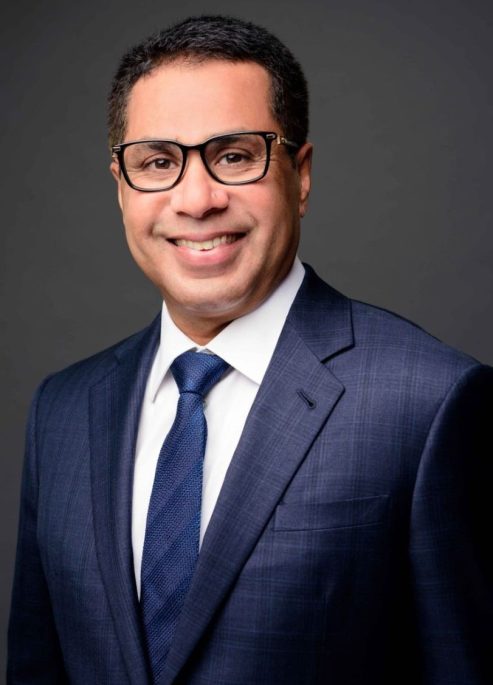
This Opinion piece is contributed by Faizal Kottikollon, Chairman, UIBC-UC (UAE India Business Council | UAE Chapter)
Disclaimer: All views and opinions expressed in The Brew Opinion – our opinion section – are those of the authors and do not necessarily reflect the official policy or position of TheBrewNews.com, the company, or any of its members.