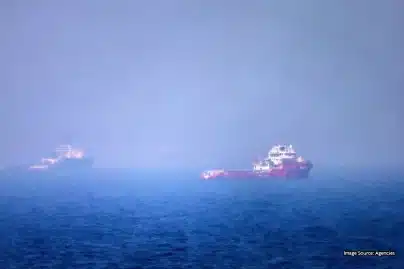
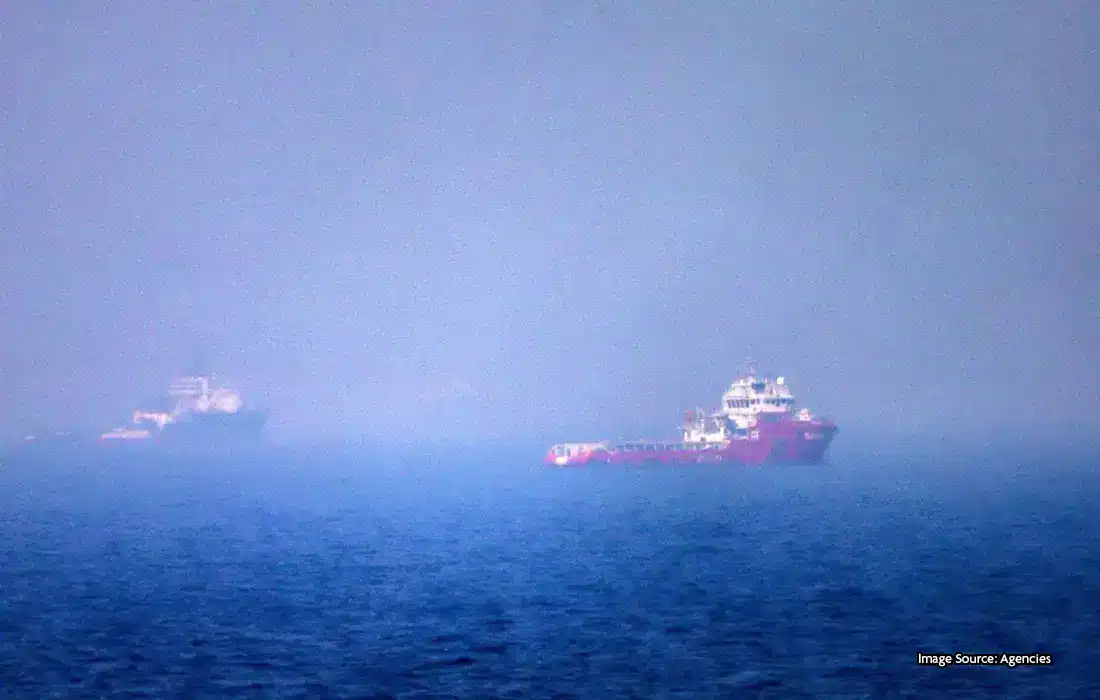

The UAE tanker attack left one Indian crew member dead and eight others injured after two ADNOC-operated oil tankers were struck while transiting the Strait of Hormuz, prompting a strong response from the UAE and renewed concerns over maritime security.
ABU DHABI: The United Arab Emirates has accused Iran of targeting two Emirati oil tankers in the Strait of Hormuz, leaving one Indian crew member dead and eight others injured in one of the most serious incidents involving commercial shipping in the strategic waterway in recent months.
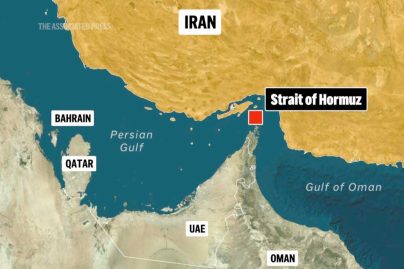
According to the UAE Ministry of Defence, the UAE tanker attack occurred while the two very large crude carriers, Mombasa B and Al Bahyah, were sailing through the southern shipping lane of the Strait of Hormuz in Omani territorial waters. The Ministry said the vessels were struck by Iranian cruise missiles, causing significant damage and onboard fires.
ADNOC Logistics and Services (ADNOC L&S), the shipping arm of Abu Dhabi National Oil Company, later confirmed that both tankers had sustained substantial damage. The company said the fires aboard the vessels were successfully brought under control by the crews, preventing a larger maritime disaster.
What happened during the attack?
The UAE Ministry of Defence said one Indian sailor aboard Mombasa B was killed during the incident. Eight crew members were also injured, including six Indian nationals and two Ukrainian nationals. Four of the injured were reported to be in serious condition and are receiving medical treatment.
The Ministry condemned the incident as a “blatant attack” on commercial shipping and said the UAE reserves its full right to respond. Authorities did not provide further details on what action may be taken but confirmed that investigations and damage assessments remain ongoing.
Why is the Strait of Hormuz important?
The UAE tanker attack has intensified concerns over security in the Strait of Hormuz, one of the world’s most strategically important maritime routes. Around one-fifth of global oil and gas supplies normally pass through the narrow waterway, linking Gulf producers with international markets.
Any disruption to shipping through the strait has the potential to affect global energy prices, insurance costs and fuel supplies worldwide. Recent weeks have already seen heightened military activity across the Gulf, with several countries increasing security around key energy infrastructure and commercial shipping lanes.
The State of Qatar and Bahrain strongly condemned the attack targeting two UAE oil tankers as they transited the Strait of Hormuz, describing it as a serious violation of the safety of international navigation, a direct threat to global energy supplies, and a clear breach of international law.
The latest incident follows continued military exchanges involving the United States and Iran, adding further uncertainty to regional security. Maritime authorities continue monitoring vessel movements while shipping companies reassess operational risks in the Gulf.
As investigations continue, the Strait of Hormuz is expected to remain a key focus for regional governments and the global energy industry, highlighting the growing challenges facing one of the world’s busiest oil transit corridors.