
Iran announced plans for Strait of Hormuz shipping fees under a new maritime system regulating vessel movement and transit access.
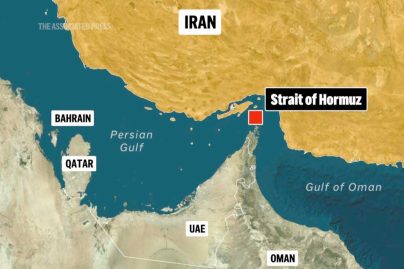
TEHRAN: Iran has revealed plans to introduce a new maritime mechanism that would regulate vessel movement and impose Strait of Hormuz shipping fees on commercial traffic using the strategic waterway.
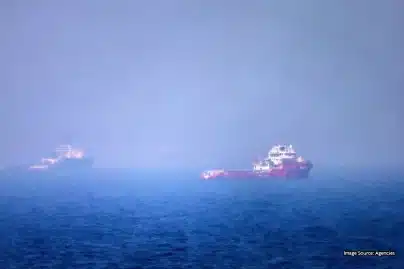
Iranian officials said the proposal includes a “professional mechanism” designed to monitor ship movements, control access and collect transit charges from vessels passing through the Strait of Hormuz. The route remains one of the world’s most critical energy corridors, carrying a major share of global oil and gas exports between the Gulf and international markets.
The Strait of Hormuz shipping fees proposal comes as regional tensions continue to affect maritime security and shipping operations across the Gulf. Iranian lawmakers said the system would apply to vessels using designated navigation routes and maritime services provided under Tehran’s supervision.
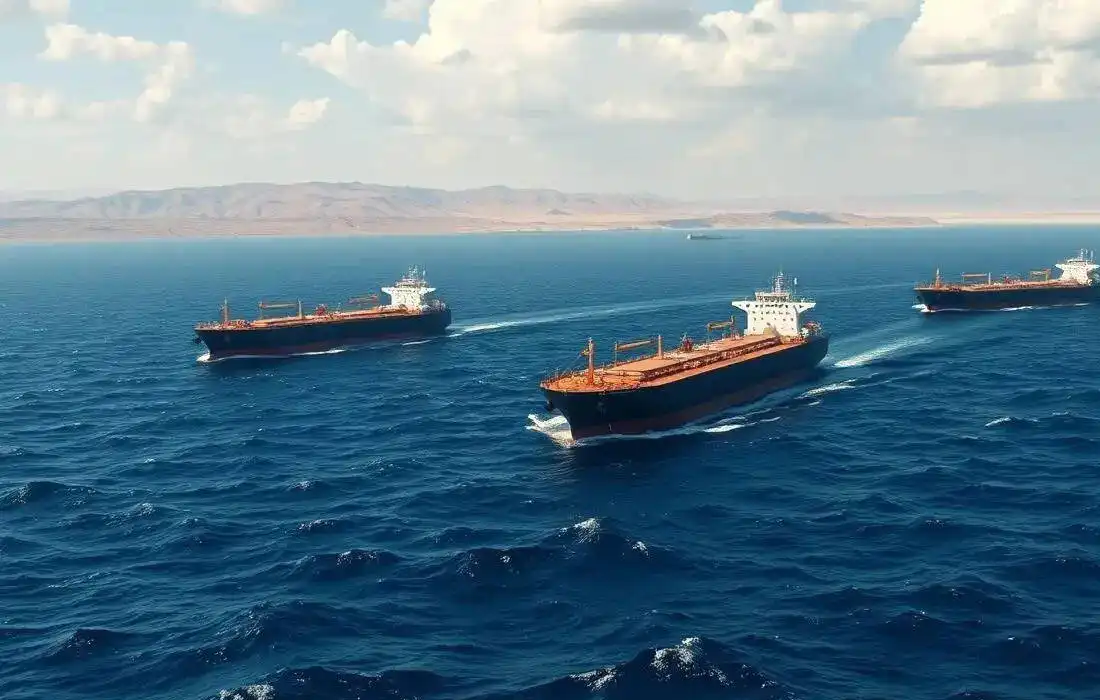
Shipping analysts warned that the move could significantly increase operational costs for international cargo operators, oil tankers and insurers. Higher transport expenses linked to Strait of Hormuz shipping fees could also place additional pressure on global energy prices and supply chains already facing disruptions in several regions.
International maritime experts have also raised legal concerns surrounding the proposal, noting that international straits are generally protected under global maritime conventions that guarantee freedom of navigation for commercial shipping.
Several Gulf countries and shipping organisations have stressed the importance of keeping maritime routes open and secure to maintain stability in global trade flows. The Strait of Hormuz remains strategically important for energy exporters and importers worldwide, making any regulatory changes closely watched by governments and financial markets.
Industry observers say the proposal could trigger broader international discussions regarding maritime law, regional security and the future management of one of the world’s busiest shipping corridors.