

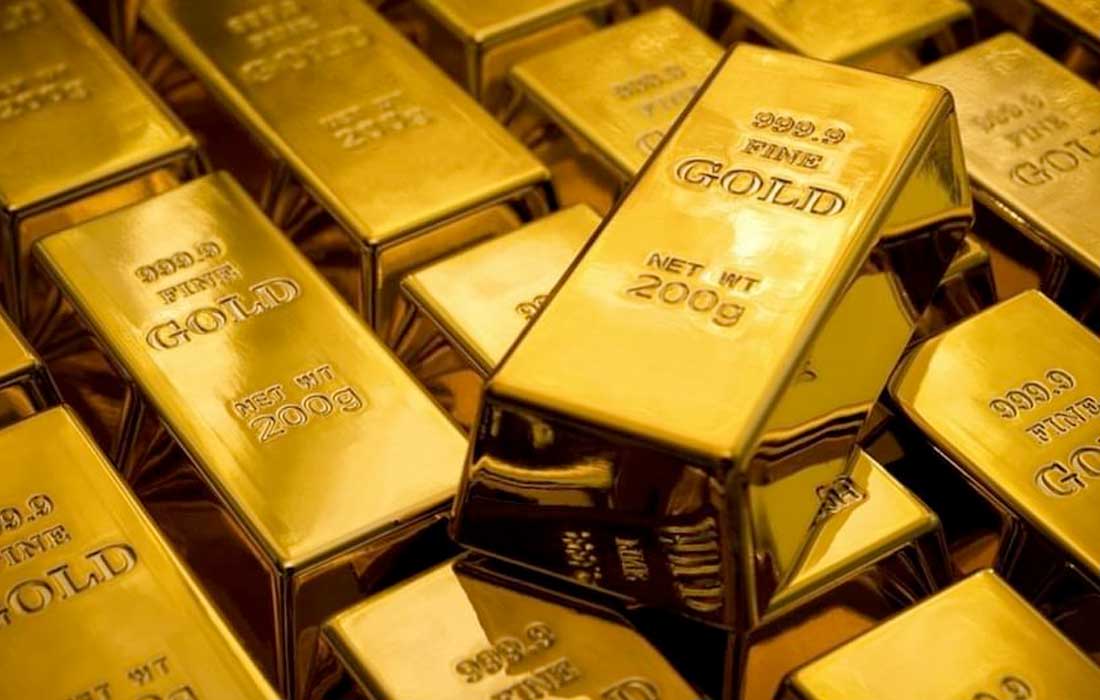

Gold and silver are heading for their largest weekly decline in over a month as rising oil prices, inflation concerns, and central bank caution push traders away from precious metals despite ongoing Middle East tensions entering a fourth week.
DUBAI: It has been a bruising week for gold investors. Despite the Middle East conflict grinding into its fourth consecutive week, precious metal prices are falling sharply, caught in the crossfire of surging oil prices, stubborn inflation fears, and a global central banking community in no hurry to cut interest rates.
Gold and silver are on track for their largest weekly decline in over a month, a surprising development given that geopolitical turmoil typically sends investors rushing towards traditional safe-haven assets. The disconnect tells an important story about where market sentiment really is right now.
The problem is oil. Crude prices surged to near four-year highs this week following continued strikes on Middle Eastern energy infrastructure, raising serious concerns about prolonged supply disruptions and the inflationary pressure that comes with them. Higher inflation means higher interest rates for longer, and higher interest rates make yield-bearing assets like government bonds far more attractive than non-yielding precious metals like gold.
The US Federal Reserve, European Central Bank, Swiss National Bank, Bank of Japan, and Reserve Bank of Australia have all either held rates steady or signalled limited appetite for easing in the near term. The Fed has been particularly clear: rate cuts will only come once inflation shows clear signs of cooling, and that timeline depends heavily on how long the US-Iran conflict continues.
In India, the price movement has been dramatic. April gold futures climbed from Rs 1,62,104 to Rs 1,66,074 per 10 grams when US and Israeli strikes on Iran began on February 28, following the classic pattern of geopolitical-driven safe-haven buying. But prices have since collapsed, falling to a low of Rs 1,45,570, a drop of approximately Rs 15,000 in just three weeks.
Gold surged during the 12-day Iran conflict last year but surrendered those gains after a ceasefire was announced. Traders appear to be betting on a similar pattern this time around, even as the conflict shows no immediate signs of resolution.
For now, oil is setting the agenda, and gold is paying the price.