

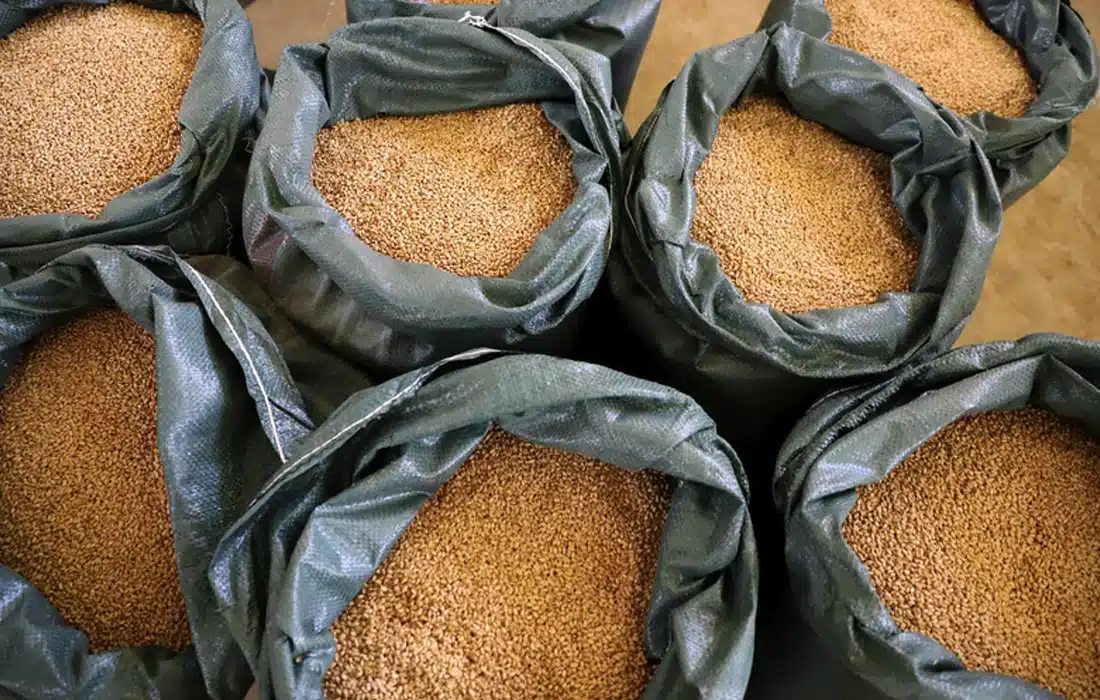

Global food prices climbed to their highest level since late 2022 in August as weather risks and trade disruptions pressured supplies.
ROME: Global food prices have climbed to their highest level since late 2022, raising fresh concerns over the cost of key commodities as adverse weather, geopolitical tensions and shipping disruptions put pressure on international supplies.
The latest Global food prices data from the UN Food and Agriculture Organization showed its Food Price Index averaging 133.3 points in August 2026. That was up 1.9 per cent from the revised July level of 130.8 points and 2.5 per cent higher than a year earlier.
The closely watched index tracks monthly changes in international prices for a basket of globally traded food commodities.
Also read: UN climate warning says the world is running out of time
Prices increased across all five major categories covered by the FAO index, including cereals, vegetable oils, meat, dairy products and sugar.
Sugar recorded the biggest increase, with the FAO Sugar Price Index jumping 11.9 per cent from July. Concerns over production prospects in major growing regions, including Brazil, Europe and Asia, contributed to the sharp rise.
Cereal prices also strengthened amid tighter supply expectations and disruptions affecting Black Sea trade. Weather-related risks in major producing regions added further pressure to commodity markets.
The latest Global food prices increase comes as international food markets face a combination of supply challenges. Extreme weather can affect crop yields and production forecasts, while disruptions to major shipping routes can make moving agricultural commodities between producers and consumers more difficult and expensive.
Despite the latest increase, the FAO index remains nearly 17 per cent below the record level reached in March 2022.
FAO also lowered its forecast for global cereal production in 2026 by 3.4 million tonnes to 2.980 billion tonnes. That would represent a decline of around 2 per cent compared with the previous year.
The organisation also slightly reduced its forecast for global cereal stocks for the 2026-27 season, largely reflecting lower expectations for coarse grain inventories.
Also read: What really caused Nepal flood? Scientist reveals what happened in Himalayas
Food commodity prices do not automatically translate into identical increases at supermarket checkouts. Retail prices are also influenced by transport costs, currencies, processing, labour, local supply conditions and government policies.
However, sustained increases in internationally traded commodities can eventually add pressure further down the food supply chain.
Impact to expect
Higher Global food prices could place additional pressure on food-importing economies and household budgets if the upward trend continues. Countries that rely heavily on imported cereals, oils, sugar and other commodities may be particularly sensitive to prolonged international price increases.
For consumers, the key question will be whether current supply pressures ease or persist in the months ahead. Weather conditions, harvest expectations and the stability of major international shipping routes are likely to remain important factors.