

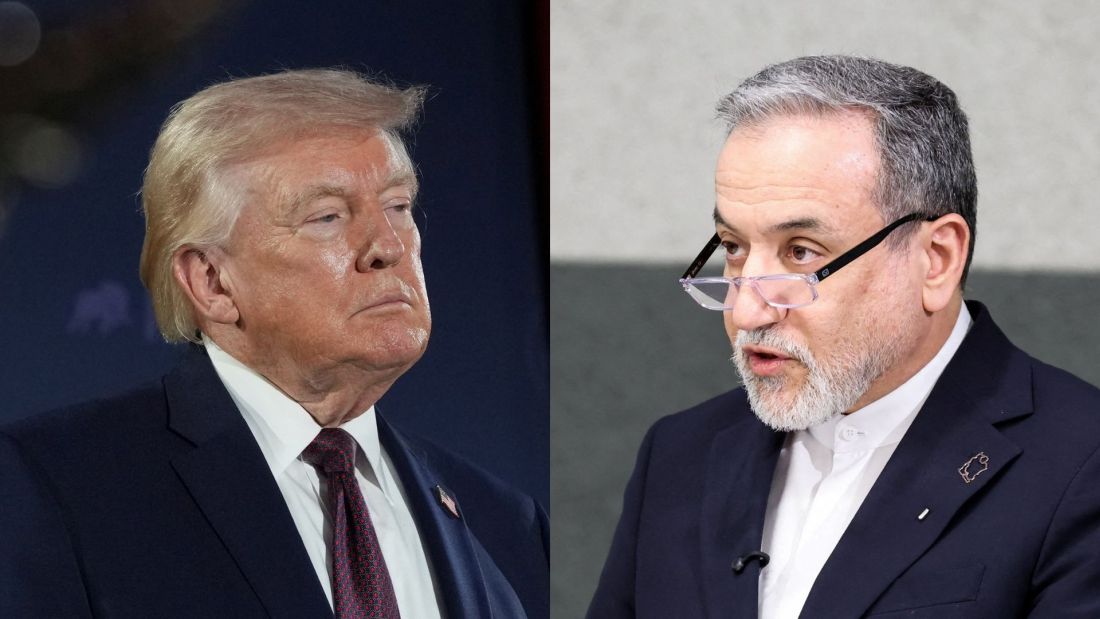

US-Iran ceasefire deal pauses fighting for two weeks after last-minute diplomacy, easing tensions and reopening a key global oil route.
WASHINGTON: The US-Iran ceasefire deal was announced just hours before a looming military deadline, marking a sudden pause in a conflict that has unsettled global markets and heightened regional tensions. The agreement comes after weeks of escalating strikes between the United States, Iran and allied forces.
The US-Iran ceasefire deal was confirmed after intense diplomatic efforts, with Pakistan playing a key mediation role. US President Donald Trump agreed to suspend planned military strikes in exchange for Iran reopening the Strait of Hormuz, a critical shipping route that carries roughly one-fifth of the world’s oil supply.
Iran accepted the proposal under conditions that include halting retaliatory attacks and ensuring safe passage through the strait during the ceasefire period. Iranian officials stressed that the agreement does not mark the end of the war, but rather creates space for further negotiations.
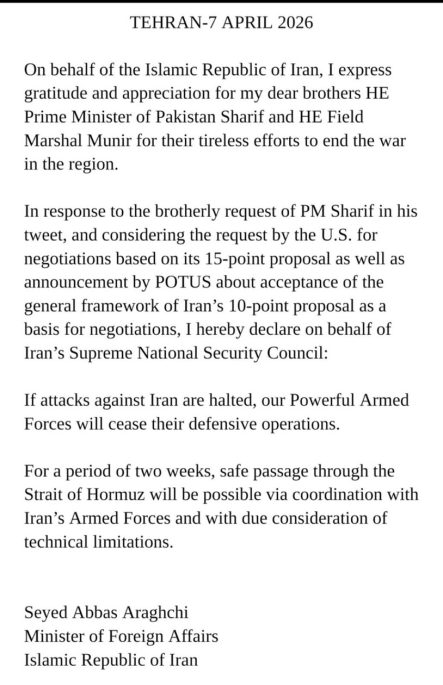
The deal was reached less than two hours before a deadline set by Washington, which had warned of severe military consequences if Iran failed to comply. Earlier statements had raised fears of widespread destruction, increasing urgency for a diplomatic breakthrough.
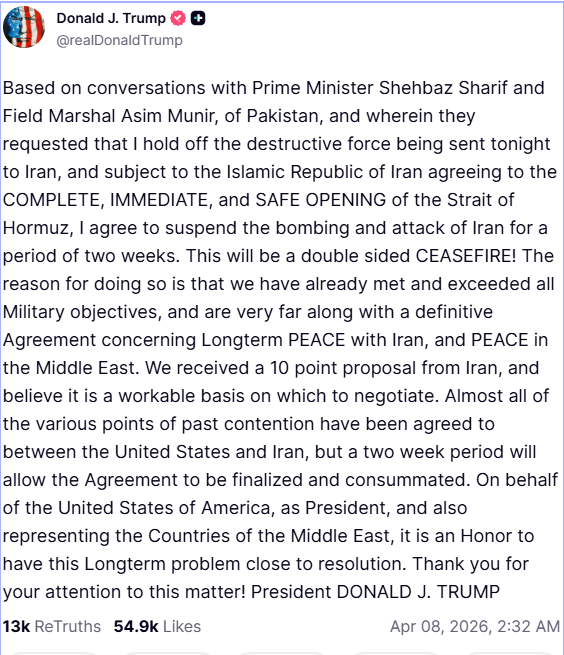
Global markets responded immediately to the US-Iran ceasefire deal, with oil prices falling sharply and equities rising as concerns over energy supply disruptions eased.
Despite the agreement, uncertainty remains over how effectively the ceasefire will hold on the ground. Reports of continued strikes in some areas highlight the fragile nature of the truce, while upcoming talks in Islamabad are expected to determine whether a longer-term peace agreement can be secured.