

UAE begins 2026 with a complete nationwide ban on single-use plastic products, expanding efforts for sustainability and waste reduction.
ABU DHABI: The United Arab Emirates has officially implemented a full-scale nationwide ban on single-use plastic products starting January 1, 2026, following the final phase of Ministerial Decision No. 380 of 2022 by the Ministry of Climate Change and Environment (MOCCAE).
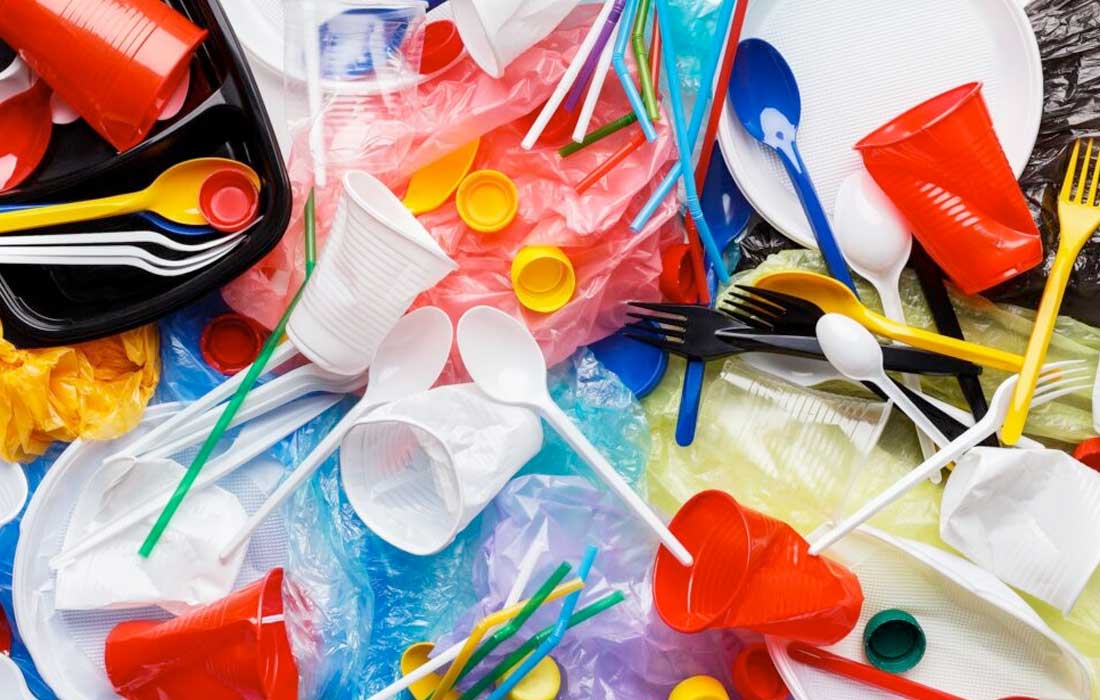
The new legislation prohibits the manufacture, import, and trade of a wide list of single-use plastic items across the country. This includes plastic cups, lids, plates, cutlery, straws, stirrers, and containers made from polystyrene (Styrofoam). In addition, all plastic bags below 50 microns in thickness, regardless of material, are now banned.
The expanded ban covers many everyday products previously permitted under earlier phases, including:
• Single‑use plastic cups and lids
• Cutlery, such as forks, knives, spoons and chopsticks
• Plates and bowls
• Straws and stirrers
• Food containers and boxes made of Styrofoam or similar materials
• A complete ban on single‑use bags, regardless of material, if their thickness is under 50 microns.
This marks the final phase of the UAE’s long-term strategy to reduce plastic pollution and promote sustainable living. Retailers and food service outlets must now transition to reusable, biodegradable, or certified compostable alternatives. Businesses that fail to comply with the new regulations could face penalties.
Hotpack adapts its packaging production for UAE’s January 2026 phase two single-use plastic ban, supporting national sustainability goals.
Leading UAE packaging manufacturer Hotpack has announced full operational alignment with the country’s expanded single-use plastic ban, which came into effect on January 1, 2026. The ban, part of the second phase of the UAE’s comprehensive environmental strategy, restricts a wide range of consumer plastic items.
Commenting on the transition, Abdul Jebbar PB, Group CEO and Managing Director, said: “The UAE’s sustainability policies set a clear pathway for manufacturers. Our packaging solutions now focus on closed-loop systems using recycled polymers, including up to 100% recycled content.”
The company noted its non-use of expanded polystyrene (EPS) and its focus on developing alternatives like H-PET and H-rPET, which reduce material usage by 30% while remaining fully recyclable. Zainudeen PB, Co-Founder & Group Executive Director, added: “We have rolled out viable alternatives and are scaling production despite the cost and supply challenges of recycled inputs.”
Earlier efforts included phasing out plastic shopping bags in many emirates beginning in 2024. This final phase reflects the UAE’s deeper commitment to environmental protection, marine life conservation, and advancing the circular economy model, which encourages recycling and reuse.
MOCCAE clarified that products intended exclusively for export or re-export, medical-use plastics, trash bags, and plastic wrapping for fresh foods remain exempt from the ban. These items must be properly labelled to ensure compliance.
Officials are encouraging consumers and companies to adopt more eco-conscious habits, while public awareness campaigns are being rolled out to educate residents about sustainable alternatives and correct disposal practices.