

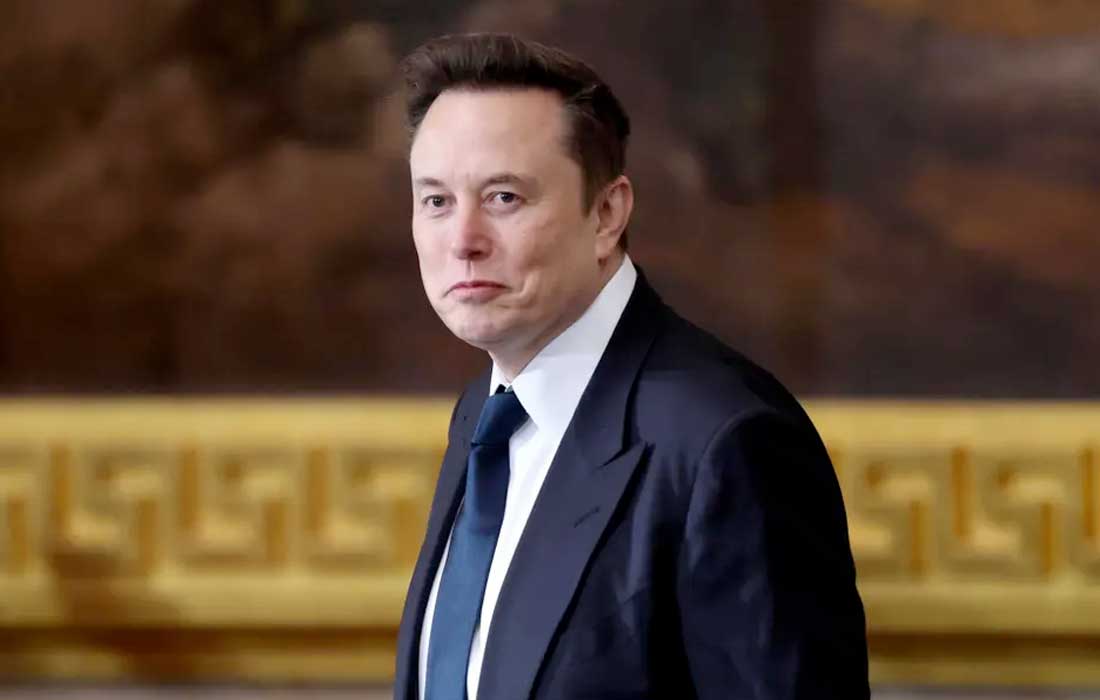

Elon Musk merges SpaceX and xAI into a $1.25 trillion company to shift AI computing into orbit and reduce pressure on Earth’s energy systems.
NEVADA: In a major corporate shake-up, Elon Musk has merged SpaceX and xAI, forming a $1.25 trillion tech giant that combines rockets, satellites, and artificial intelligence under one roof. The move, confirmed February 2, 2026, is among the most ambitious yet across Musk’s empire.
The merger brings together SpaceX’s launch and Starlink satellite operations, Musk’s AI lab xAI (home of the Grok model), and elements of the X social platform, creating a private mega-firm poised to push AI computing beyond Earth.
Musk says the merger is a response to rising power demands from AI systems. In a SpaceX memo, he warned that ground-based data centers are putting stress on energy grids and communities. xAI’s Memphis site, under scrutiny for energy usage, reflects those concerns.
To the stars!@SpaceX & @xAI are now one company https://t.co/2SPVVhZQsp
— Elon Musk (@elonmusk) February 3, 2026
To address this, Musk plans to use solar-powered satellites to run AI training workloads in orbit, cutting the need for power-hungry Earth servers. Starlink will serve as the global data highway.
Analysts see this as a strategic edge against rivals like OpenAI and Anthropic. With integrated launch, network, and compute infrastructure, the combined entity gains control over the full AI pipeline, from hardware to deployment.
The merger also positions SpaceX ahead of a rumored IPO, with new Nevada entities set up for deal execution. Grouping AI and platform assets with aerospace and telecom lets SpaceX rebrand as a broader tech leader.
Valuation estimates come from SpaceX’s $800B secondary market value and xAI’s $230B recent raise. Tesla, though a $2B xAI investor, remains outside the merger.
Regulators are expected to scrutinize the deal, given the overlap across AI, aerospace, social media, and telecom. Still, Musk is clear: the future of AI isn’t just on Earth, it’s in orbit.