

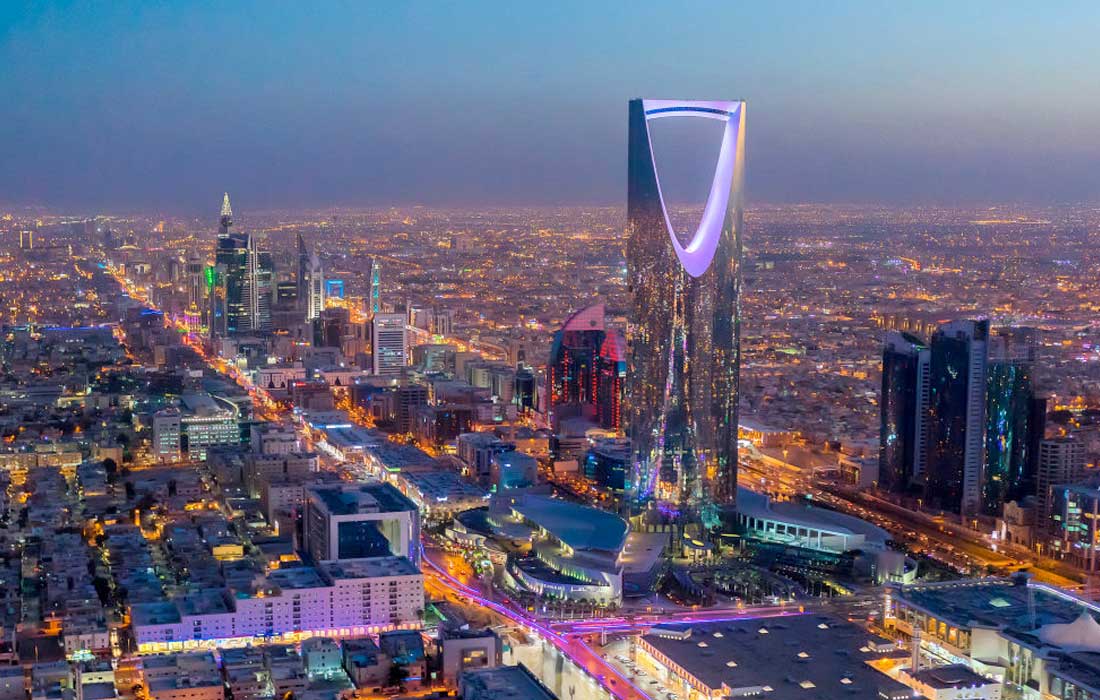

Saudi Arabia will allow foreign ownership of residential and commercial property across most cities from January 2026, with some restrictions in key holy and major cities.
Riyadh: Saudi Arabia is set to introduce a new legal framework from January 2026 that will significantly expand foreign ownership rights in the Kingdom’s property market, marking a key step in attracting investment and supporting broader economic diversification efforts.
Under the updated law, non‑Saudi residents will be able to purchase residential property in most Saudi cities, although restrictions will remain in place in four specific locations: Makkah, Madinah, Jeddah and Riyadh. The framework will allow foreign residents to own a single residential unit, while non‑residents will be permitted to buy property only in zones that are specifically designated by the authorities.
In the holy cities of Makkah and Madinah, residential property ownership will continue to be restricted to Muslims only, reflecting longstanding religious and cultural considerations. However, there is potential for future adjustments that may permit non‑resident ownership in approved zones within these areas.
The law takes a more liberal stance toward non‑residential property, granting foreigners the right to own commercial, industrial and agricultural real estate in all Saudi cities without exception. This shift is expected to stimulate business activity and long‑term investment by international companies, funds and investors.
The framework outlines clear geographic boundaries, ownership limits and regulatory controls. Foreign ownership or acquisition of real property rights will be allowed only in areas approved by the Council of Ministers, acting on recommendations from the Real Estate General Authority and the Council of Economic and Development Affairs. Approved zones will define permitted property types, ownership ratios and related conditions.
Ownership rules also vary by legal structure. Non‑listed companies with foreign ownership may acquire property within approved zones, including potentially in parts of Makkah and Madinah when conditions are met, and may hold land outside those zones for operational needs or employee housing. Listed companies, investment funds and special‑purpose entities will be permitted to own property throughout the Kingdom, including in the holy cities, subject to controls set by the Capital Market Authority in coordination with relevant regulators.
All foreign property owners will be required to register their holdings with the Real Estate Registry. A transaction fee of up to 5 percent of the property value will be applied, with specific details to be provided in executive regulations. The law includes enforcement measures, with fines or warnings for violations and penalties of up to SR10 million for submitting false information, potentially including court‑ordered sale of the property.