

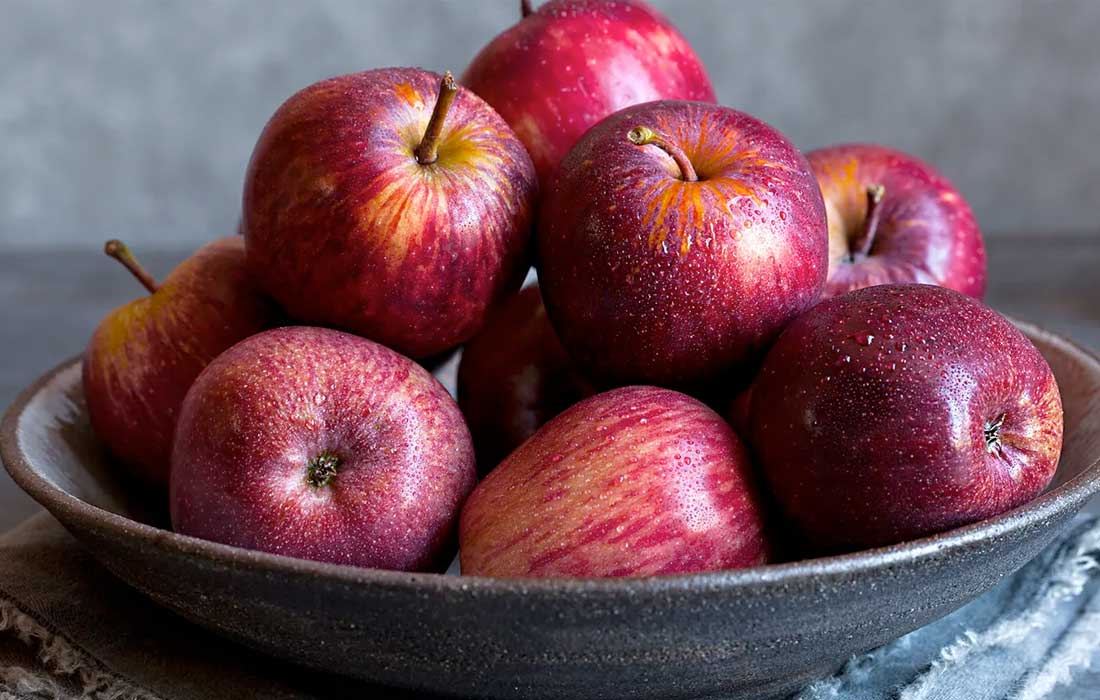

NYU Abu Dhabi apple research shows how continuous exchange with wild species shaped apple evolution, boosting resilience and diversity.
ABU DHABI: NYU Abu Dhabi apple research has revealed that the fruit’s evolution is far more complex than previously understood, shaped by continuous interaction with wild apple species across regions. The findings provide new insights into crop development and future agricultural sustainability.
The study, published in Current Biology, compared cultivated apples with wild relatives from Europe and Asia. Researchers found that apples did not emerge from a simple domestication process. Instead, they evolved through repeated genetic exchanges with wild trees as they spread geographically, influencing key traits.
According to the NYU Abu Dhabi apple research, these interactions played a critical role in developing characteristics such as flavour, disease resistance and adaptability to different climates. The study also highlighted that dessert apples and cider varieties followed distinct evolutionary paths, underlining the diversity within the crop.
Lead researcher Amandine Cornille said, “Apples are the result of a long and ongoing relationship between cultivated trees and their wild relatives.” This ongoing exchange has helped maintain genetic diversity and strengthened the fruit’s resilience over time.
The NYU Abu Dhabi apple research also stressed the importance of preserving wild apple populations. These trees hold valuable genetic traits that could help scientists and farmers develop new varieties better suited to climate change and emerging plant diseases.
Beyond apples, researchers suggested that other fruit crops may have followed similar evolutionary patterns, relying on genetic exchange with wild relatives to survive and adapt. The findings reinforce the need to protect biodiversity as a foundation for sustainable agriculture.
Experts say the study could influence future farming strategies, supporting innovation in crop breeding and strengthening global food security.