


Scientists in China have developed EyeReal, an AI-powered glasses-free 3D display offering a 100° viewing angle and high resolution, ideal for consumer tech use.
SHANGHAI: A team of Chinese researchers from the Shanghai AI Laboratory and Fudan University has announced a major breakthrough in display technology with the development of EyeReal, an artificial intelligence powered 3D display system that delivers glasses-free visuals with a wide 100-degree viewing angle. The technology marks a leap forward in creating immersive experiences without wearable hardware.
According to a recent study published in the journal Nature, EyeReal is capable of producing full HD resolution 3D images on desktop-sized screens, allowing users to move around naturally without losing the 3D effect. This overcomes longstanding limitations in traditional auto-stereoscopic displays, which often required strict viewing angles or specialised eyewear.
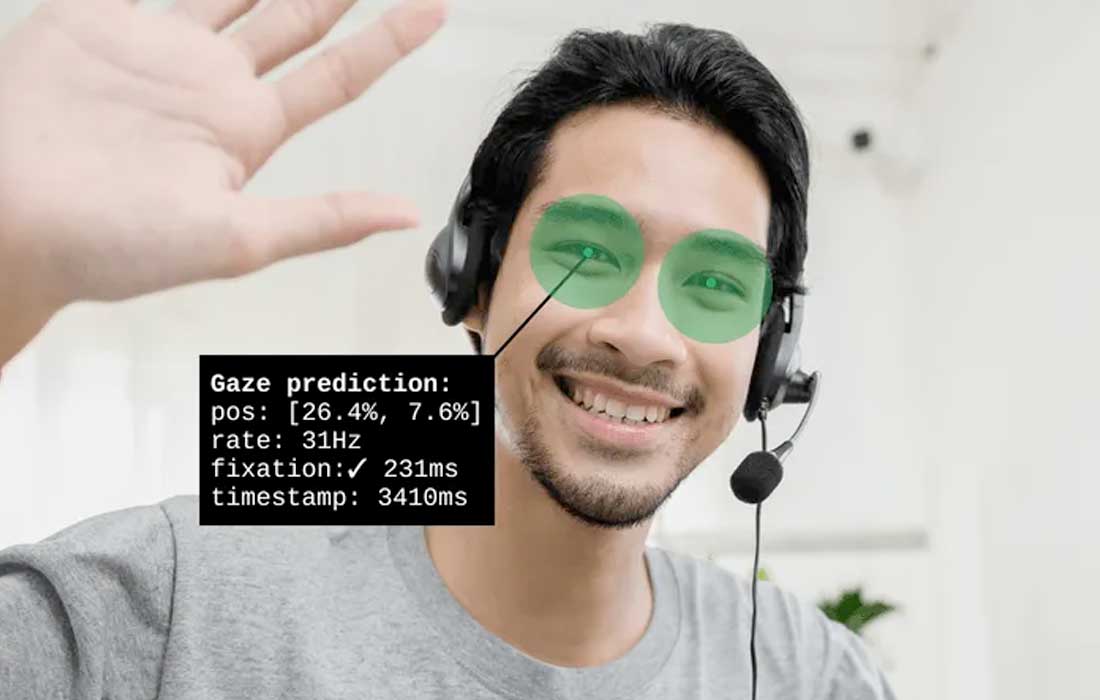
The EyeReal system works by combining a simple stack of three standard LCD panels with advanced AI-driven algorithms that track the viewer’s eye position in real time. The software then adjusts the visual output dynamically, ensuring smooth 3D visuals with a refresh rate exceeding 50 frames per second. The result is a high-quality, immersive 3D experience without visual strain.
Researchers say this innovation could pave the way for a range of practical applications in consumer electronics, including educational tools, 3D modelling, remote collaboration, medical imaging and virtual reality. The system’s relatively low hardware requirements could also make it suitable for commercial adoption in the near future.
While glasses-free 3D displays have existed in concept for years, EyeReal is the first to combine wide-angle, high resolution and real-time adaptive visualisation in a cost-effective and scalable format. The breakthrough opens new possibilities for the way humans interact with digital environments, from classrooms to design studios.