

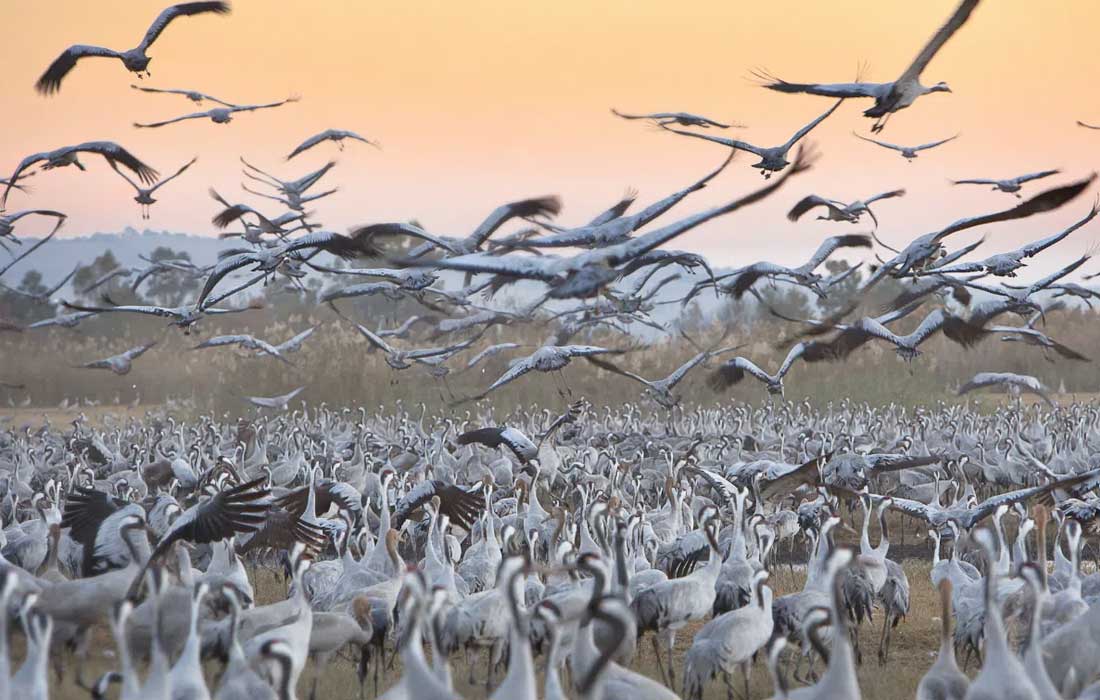

The 15th Conference of the Parties to the Convention on Migratory Species opened in Campo Grande, Brazil on March 23, bringing together governments, scientists, and indigenous communities to tackle the global biodiversity crisis affecting species that cross international borders.
CAMPO GRANDE: From the Arctic tern to the humpback whale, migratory species do not recognise borders. But protecting them requires the entire world to act as one. That is exactly what governments, scientists, conservationists, indigenous peoples, and local communities are trying to do this week in Campo Grande, Brazil.
The 15th meeting of the Conference of the Parties to the Convention on the Conservation of Migratory Species of Wild Animals, known as CMS CoP15, opened on March 23, 2026 and runs through March 29. Convening under the slogan “Connecting Nature to Sustain Life,” the gathering is bringing the full weight of international cooperation to bear on one of the most pressing environmental challenges of our time.
The stakes could not be higher. Half of the world’s GDP depends directly or indirectly on nature, making the collapse of migratory species not just an ecological tragedy but an economic and social crisis in the making. When ecosystems unravel, the consequences ripple far beyond the natural world and into the economies and communities that depend on them.
The agenda is ambitious and urgent. Delegates are working toward placing 44 additional fish, birds, and terrestrial animals under formal protection, strengthening conservation corridors that allow species to complete their journeys safely, combating illegal hunting and overexploitation, and advancing sustainable infrastructure that minimises harm to migratory routes. A central focus is enhancing ecological connectivity, the invisible threads that link habitats across continents and oceans, without which migratory species simply cannot survive.
The meeting also addresses the growing threat of bycatch, where non-target species are caught and killed in fishing operations, and calls for stronger coordination between international environmental agreements to close the gaps that have allowed exploitation to continue unchecked.
CMS CoP15 is not just about this week. It is a stepping stone toward the Convention on Biological Diversity’s COP17, taking place in October 2026, and a key milestone in delivering on the commitments made under the Kunming-Montreal Global Biodiversity Framework, the landmark agreement that set the world’s biodiversity targets for this decade.
The natural world does not wait for politics to catch up. In Campo Grande this week, the hope is that politics is finally catching up with nature.