

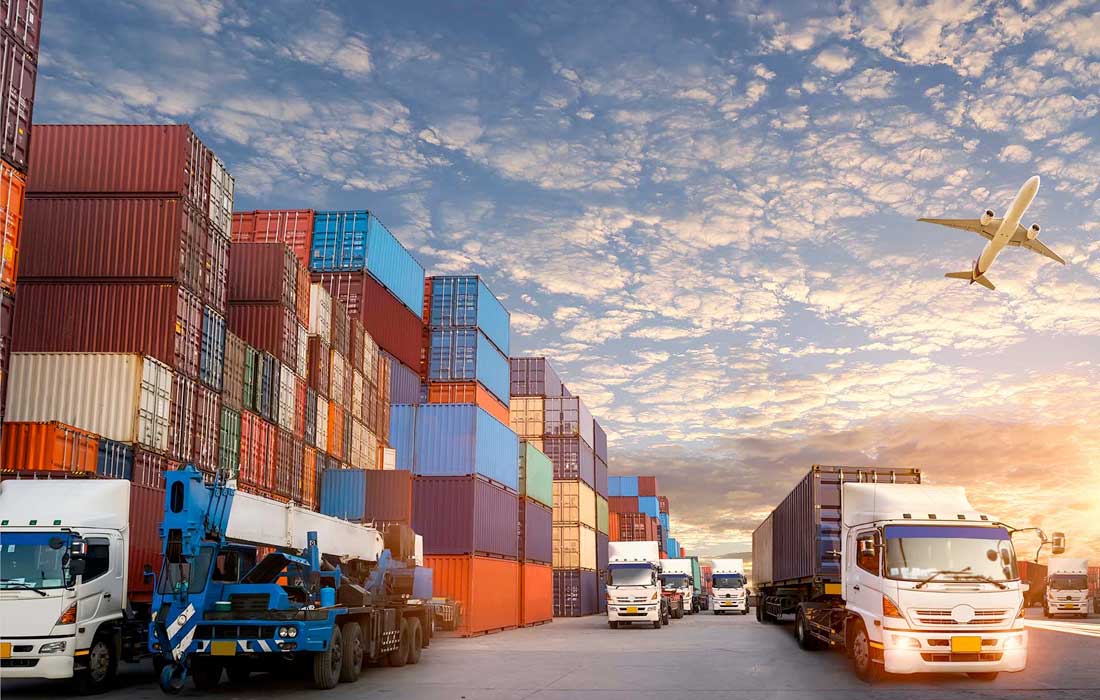

European Food Security Crisis Mechanism experts have convened to assess how the Middle East conflict is affecting EU trade flows, energy supplies, and the fertiliser market, as the bloc works to protect its agricultural sector and food supply chains.
BRUSSELS: The ripple effects of the Middle East conflict are now being formally tracked at the highest levels of European food security. Experts from the European Food Security Crisis Preparedness and Response Mechanism (EFSCM) convened a meeting to assess the impact of regional developments on the EU’s agricultural sector and food supply chains, as concerns mount over trade disruption, energy costs, and fertiliser availability.
The discussions centred on three pressure points that sit at the heart of stable food production: trade flows, energy supplies, and the fertiliser market. All three are feeling the strain of the ongoing geopolitical crisis in the Middle East, and all three feed directly into the cost and availability of food across Europe.
The European Commission offered a measured but watchful assessment, affirming that the EU’s food system continues to demonstrate relative resilience, underpinned by the bloc’s significant capacity for self-production across many agricultural products. But the commission was equally candid about the broader context, noting that recent crises including the Russian war on Ukraine, rising global commodity prices, and the COVID-19 pandemic have made clear just how quickly food supply chains can come under pressure when the world is in turmoil.
The EFSCM, which brings together EU member states, the private sector, and non-governmental organisations across the food chain, was established precisely to improve preparedness and coordinate crisis response before shortages and price spikes become emergencies. Since its creation, the mechanism has issued three sets of recommendations, covering better crisis communication, diversification of supply sources, and reduction of risks across food supply chains.
The timing of this meeting matters. With the Strait of Hormuz disrupted, fertiliser supplies from the Gulf under pressure, and energy costs climbing, Europe’s farmers and food producers are navigating a set of external shocks that are not of their making but are very much their problem to absorb.
The EU’s message is one of vigilance rather than alarm. The mechanisms are in place, the experts are at the table, and the bloc is watching the situation closely. Whether that proves sufficient depends on how much longer the crisis in the Middle East continues to escalate.