

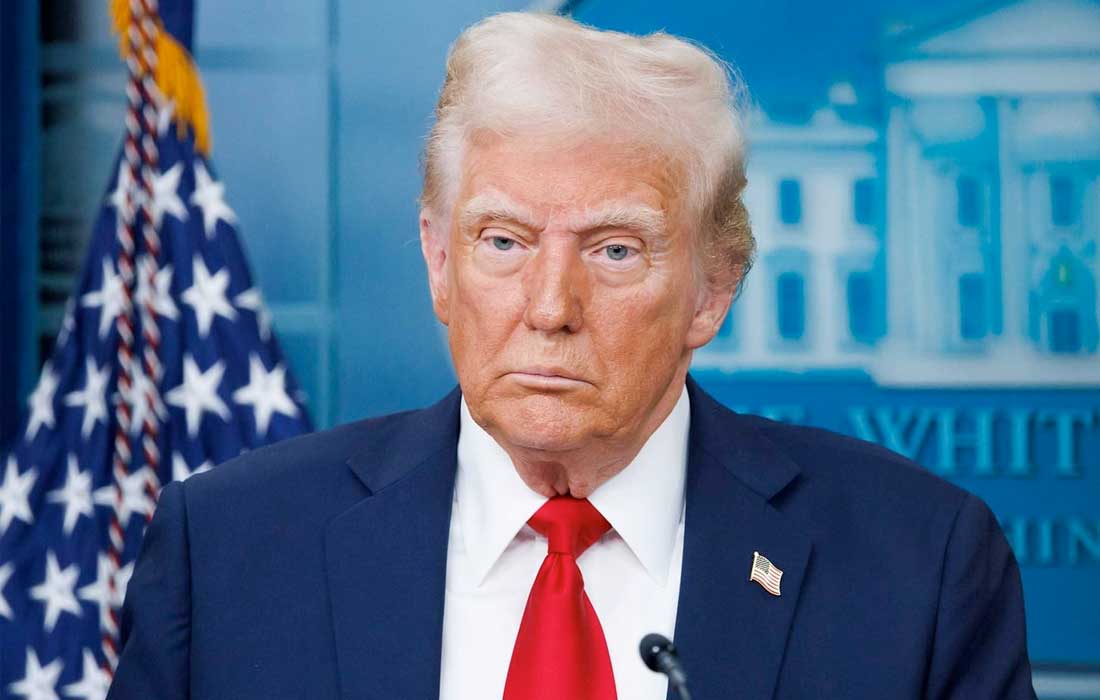

The US-Iran strikes have escalated after President Donald Trump declared the ceasefire “over”, following attacks on commercial vessels near the Strait of Hormuz and renewed US military action.
WASHINGTON: The US-Iran strikes entered a new and more dangerous phase after US President Donald Trump declared the ceasefire “over” following attacks on commercial vessels near the Strait of Hormuz. The latest developments have heightened fears of wider regional instability and renewed concerns over global energy supplies.
The United States launched fresh strikes on targets in Iran and ended a waiver that had allowed Tehran to continue limited oil sales under an interim agreement announced on 17 June. Washington also reimposed sanctions on Iranian oil exports, signalling a tougher approach after the latest maritime incidents.
Explosions were reported in several locations, including Kharg Island, Iran’s main oil export terminal, as well as Bandar Abbas, Sirik and Qeshm Island. Iranian authorities have not yet released full details on the extent of the damage or possible casualties.
The escalation came as Iran held funeral ceremonies for its late Supreme Leader, Ali Khamenei. The events went ahead despite earlier warnings from Tehran against any military action during the mourning period. Reports said Khamenei’s coffin was later taken to the Iraqi city of Najaf for a funeral procession.
Attention is now turning to the Strait of Hormuz, one of the world’s busiest shipping routes for oil and gas. Trump is expected to discuss maritime security and the latest developments with NATO leaders in Ankara as governments monitor the impact on international shipping and regional stability.
The latest US-Iran strikes have renewed concerns about the risk of further military escalation in the Gulf, where any disruption to shipping could affect global energy markets and international trade. Diplomats are expected to continue efforts to prevent the conflict from widening, although the situation remains highly fluid.