

UNCCD COP16 joins Rio Convention Presidencies in Brazil, issuing the Belém Joint Statement to advance synergy-driven land, climate and biodiversity action.
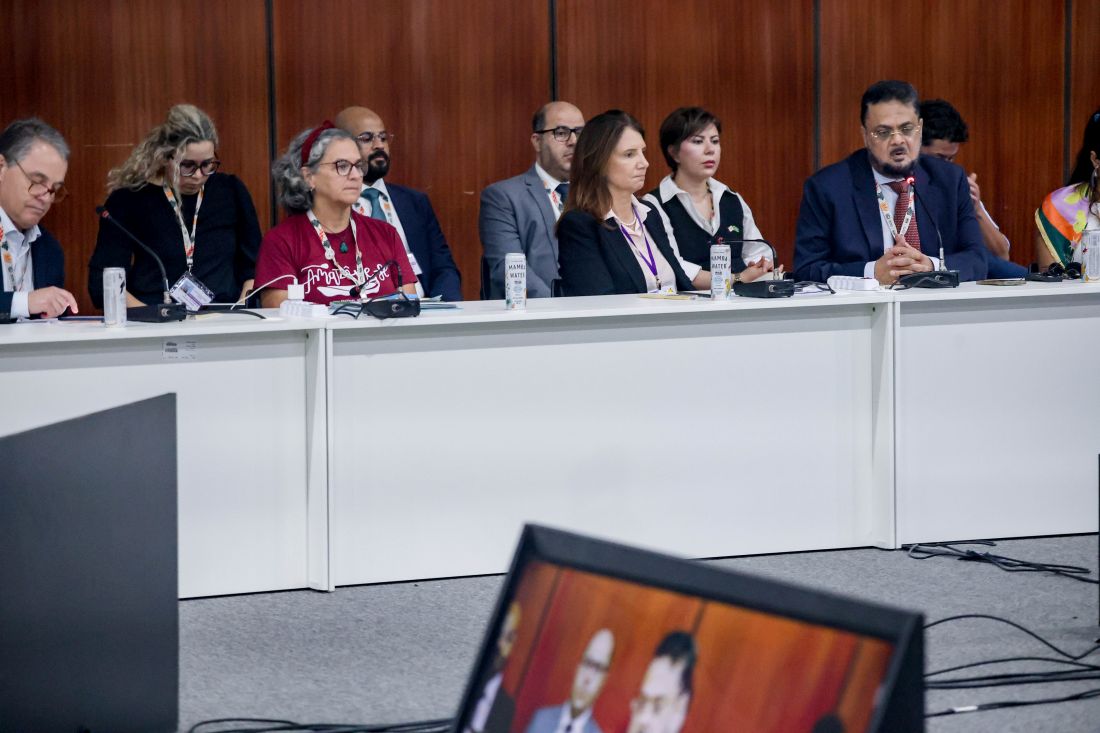
BELÉM: In a significant step toward global environmental alignment, the UNCCD COP16 Presidency has joined forces with fellow Rio Convention Presidencies to issue a landmark call for stronger collaboration across the climate, land and biodiversity agendas. The announcement came during a high-level event at COP30’s preparatory platform in Brazil, themed Bridging Action Agendas from COP16 to COP30.
At the centre of the session was the unveiling of the Belém Joint Statement, the first coordinated declaration from the five Rio Convention Presidencies: UNFCCC COP30, CBD COP16, CBD COP17, UNCCD COP16 and UNCCD COP17. The statement outlines a unified approach to restore degraded land, build drought resilience, protect ecosystems and ensure sustainable livelihoods.
Saudi Arabia, which currently leads the UNCCD COP16 Presidency, reaffirmed its dedication to advancing synergy-based solutions. H.E. Dr. Osama Ibrahim Faqeeha, Deputy Minister of Environment, Water and Agriculture, stated: “Land degradation intersects with both biodiversity and climate. When land, climate and nature efforts move together, ecosystems recover faster and communities grow stronger.”
The event highlighted several coordination mechanisms, including the Synergies Collaboration Platform, Plans to Accelerate Solutions, and the Riyadh Global Drought Resilience Partnership. These initiatives, supported by scientific research and community-led innovation, aim to fast-track real-world implementation.
Voices from youth, Indigenous communities, scientists and cities emphasised the need for inclusive, rights-based, and locally grounded strategies. They stressed that solutions must not only be science-informed but rooted in traditional knowledge systems.
As the world moves toward UNCCD COP17 in Mongolia next year, which will host the first-ever Global Stocktake on Land, the momentum built in Belém is seen as a major step toward achieving shared environmental goals by 2030.